How would you like to learn the collection process?
Choose the video guide or written instructions with images. Both options explain how to collect, handle and return your NURA stool sample kit.
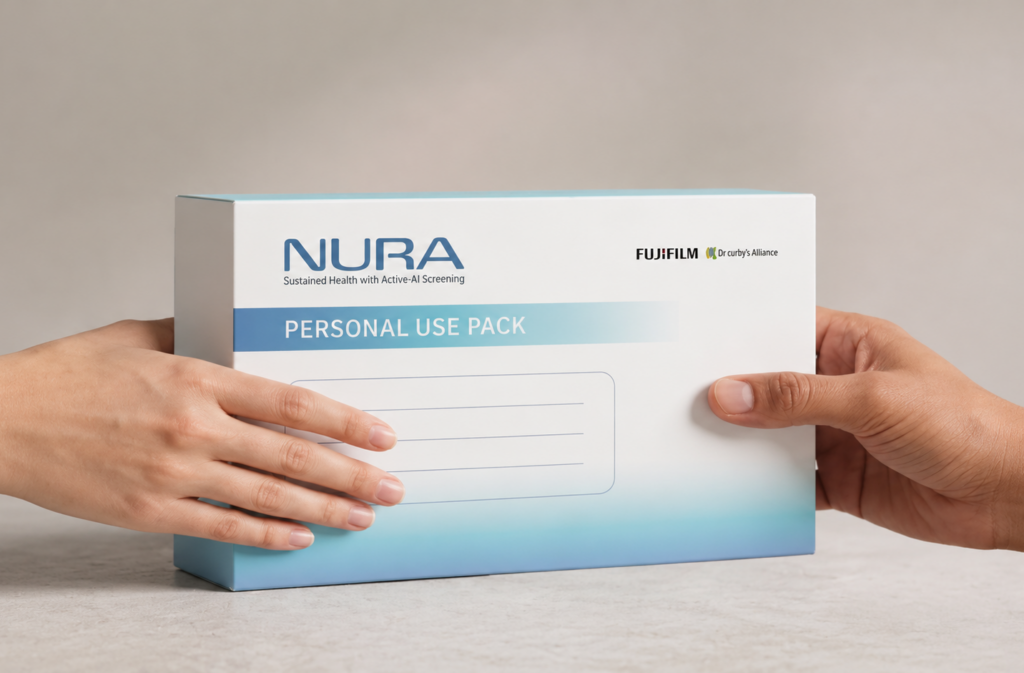
Watch the collection process
Watch the full video before or while preparing your kit. You can also use the illustrated written instructions below.
Before you begin
- Check that both sample containers are included.
- Keep the supplied zip bag and FIT Kit envelope nearby.
- Read the warnings and precautions before collecting.
- Keep the liquid inside each container.
Prefer reading?
Follow these steps
The illustrations below are taken from the NURA instruction sheet supplied for this kit.
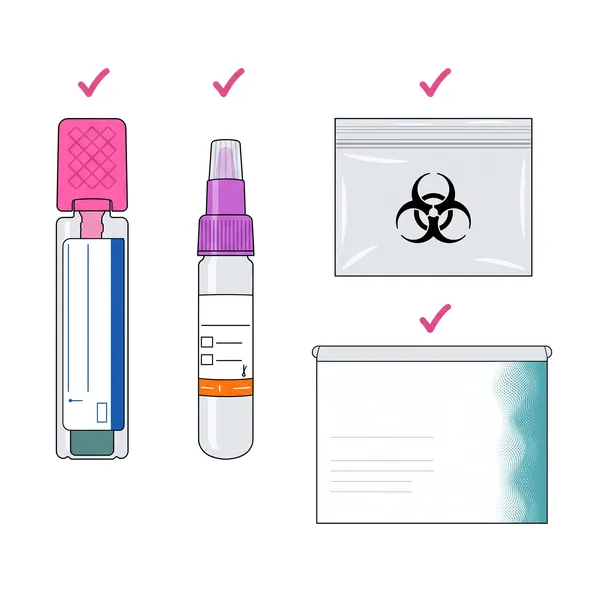
Check the kit
Confirm that both sampler tubes are provided, along with the zip bag and FIT Kit envelope.
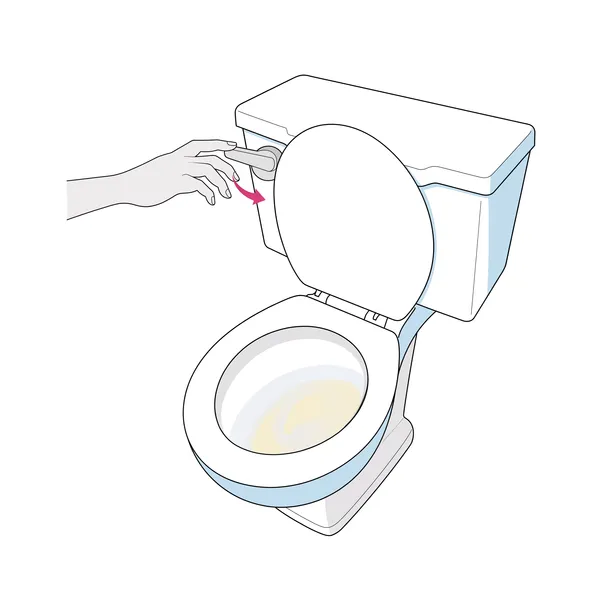
Pee and flush
Urinate first, then flush the toilet before collecting the stool sample.
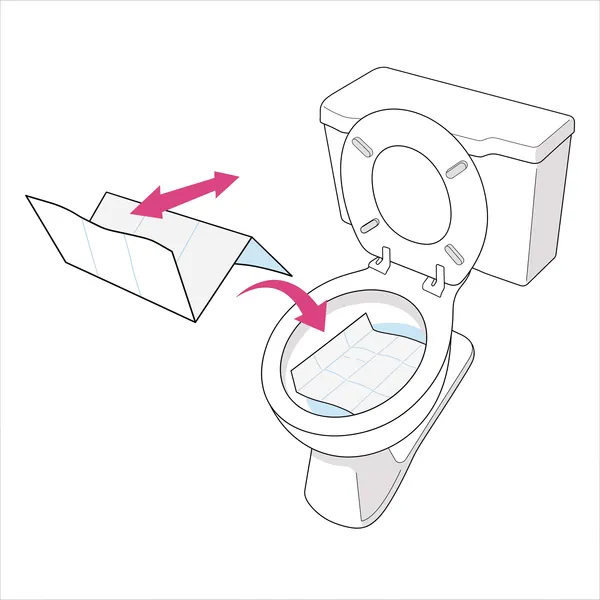
Prepare the toilet
Prepare the collection surface as shown in the supplied instruction sheet so the stool does not mix with toilet water.
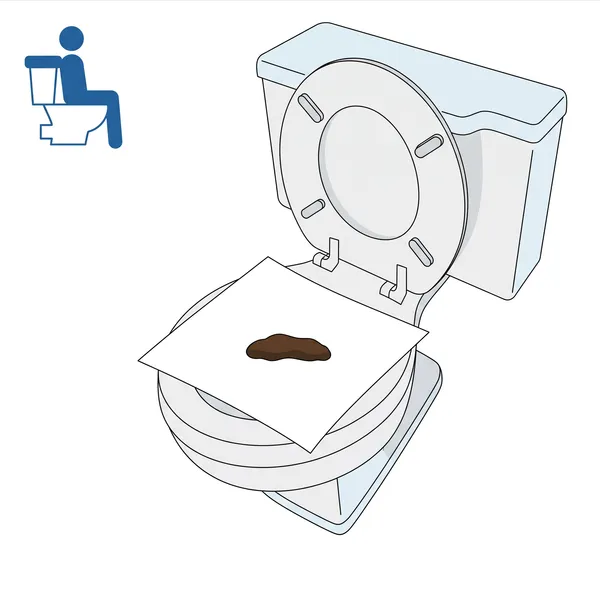
Pass the stool
Pass stool onto the prepared collection surface. Avoid contact with urine or toilet water.
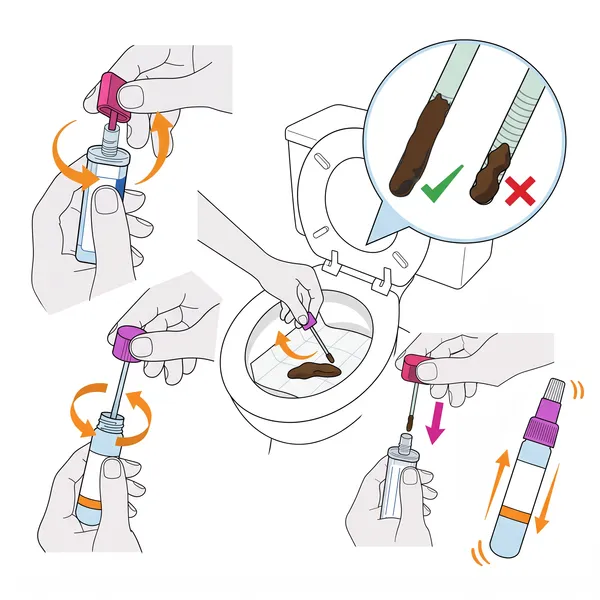
Collect the sample in both tubes
Use each sampler as shown. Ensure the liquid remains inside the tubes. Snap the caps securely and shake each tube well as directed.
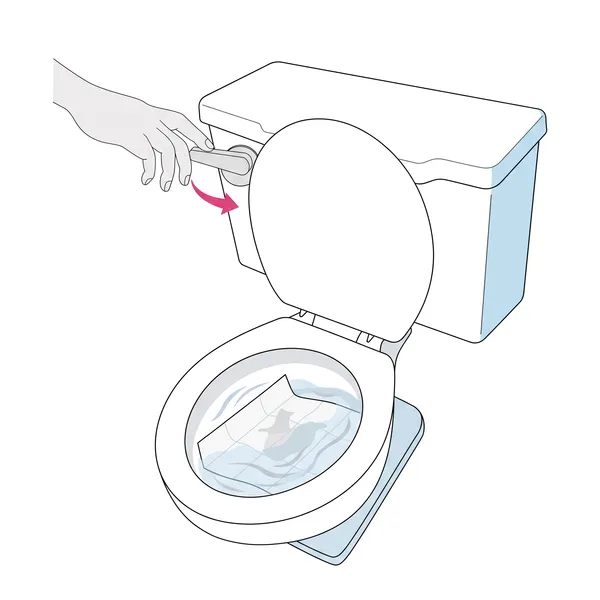
Flush the toilet
After collecting the sample, dispose of the collection material appropriately and flush the toilet.
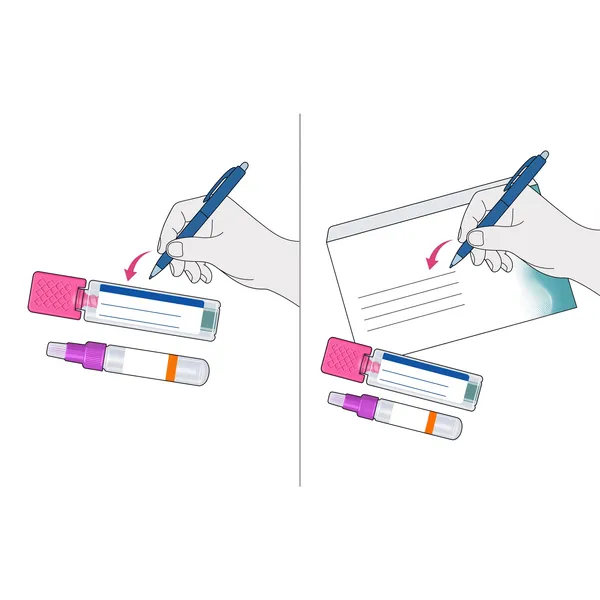
Write your details
Record the required information on the specimen tubes as instructed. Check that the details are readable.
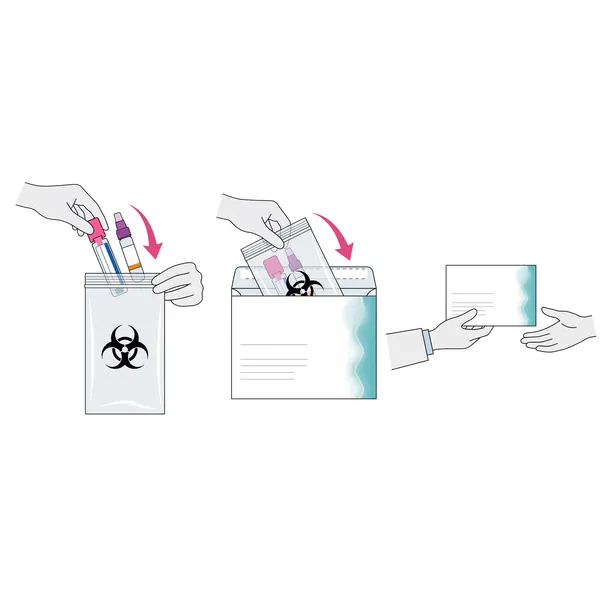
Pack and return
Place both sampler tubes in the provided zip bag, then insert the bag into the FIT Kit envelope. Follow NURA’s return instructions.
Two containers. Two different tests.
- CONTAINER 1
FIT Sample Tube
Faecal Immunochemical Test
- Use the sampler exactly as shown in the video and kit instructions.
- Keep the liquid inside the tube.
- Close the cap securely and shake well as directed.
- CONTAINER 2
Stool Antigen Test Tube
H. pylori antigen test
- Collect the sample using the second sampler as directed.
- Do not discard or drink the liquid inside.
- Close the cap securely and shake well as directed.
Warnings and precautions
Do not collect the sample during your menstrual period.
Keep the samplers away from children.
Do not drink or swallow the liquid. Do not discard it or put it in your eyes or nose.
Do not insert the sampler into the anus.
For in-vitro diagnostic use only. Do not use internally in humans or animals.
Do not use the sampler for any purpose other than described in the kit instructions.
If the solution contacts your mouth, eyes or skin, wash immediately with plenty of water. Consult a physician if necessary.
Dispose of the samplers according to local or national regulations and precautions.
Need help with sample collection?
Contact the NURA team if you have questions about your kit or return instructions.
Pack the kit for return
Before returning the sample, check that the tubes are securely closed and packed as shown in the instruction sheet.
1. Write the required details on the specimen tubes.
2. Place both tubes in the provided zip bag.
3. Insert the zip bag into the FIT Kit envelope.
4. Follow the return or handover instructions provided by NURA.
Have Questions? We’ve Got Answers
Have Questions? We’ve Got Answers
- Should I collect samples in both containers?Yes. Both containers are required for the screening.
- Should I remove the liquid inside the sample containers?No. Do not discard the liquid. Keep it inside, collect the sample as directed, and securely close the cap.
- Do I need to fast before collecting the stool sample?No, fasting is not required for your stool sample.
- Can I use the same sampler for both tests?No. Use the designated sampler for each test according to its label and the supplied instructions. Do not mix up the containers or their caps.
- What should I do if one of the containers or other kit items is missing?Contact the NURA team for assistance before collecting your samples.
- Can the stool sample mix with urine or toilet water?No. Avoid mixing the stool sample with urine or toilet water, as this affects sample suitability.