
Understanding Throat & Oral Health
Your throat and esophagus are vital for swallowing and nutrition. Nura’s advanced screening detects early signs of esophageal cancer, enabling timely intervention and better treatment outcomes.
0
%
Early detection accuracy
0
Minutes — full screening
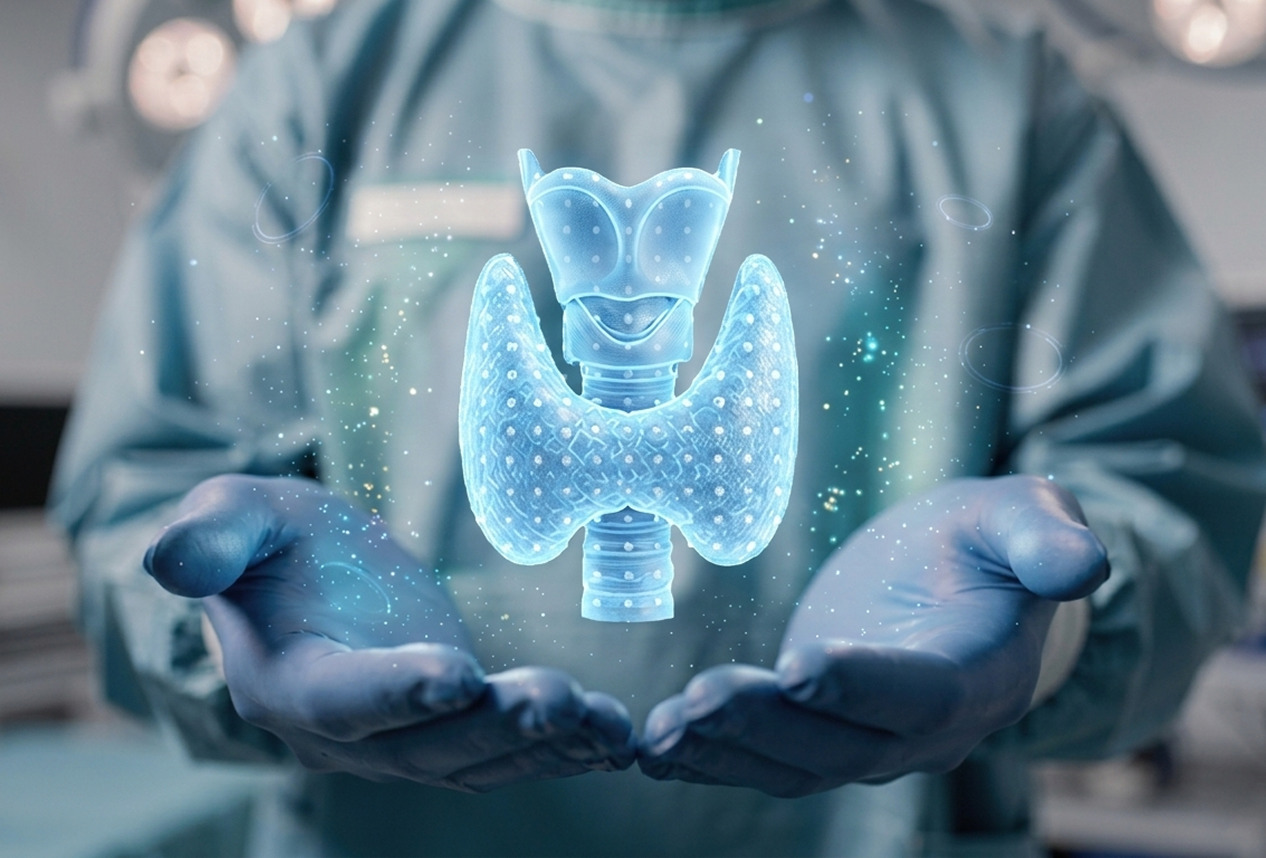
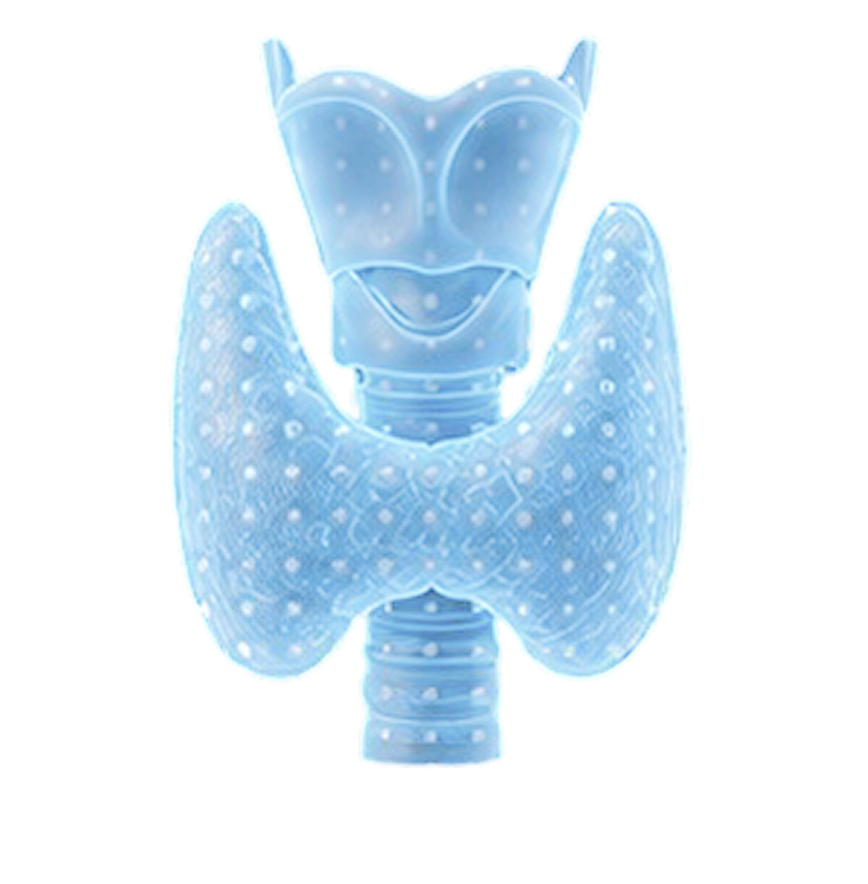
6th most common cancer in India
Nura detects esophageal cancer at early, treatable stages
Cancer of the esophagus or food pipe is called esophageal cancer. The esophagus wall is made up of multiple layers of tissue. The cancer usually begins in the lining of the esophagus and spreads outwards but can occur anywhere. In India, it is the 6th most common cancer. It has been researched not just in India but globally, that the rates of incidence depend on the region.
Upper and Middle Esophagus
- One of the common types of esophageal cancer is squamous cell carcinoma and adenocarcinoma.
- Squamous cell carcinoma is cancer that forms in the thin, flat cells lining the inside of the esophagus, typically in the upper and middle part of the esophagus.
Lower Esophagus
- Adenocarcinoma is cancer that begins in the glandular cells, which release mucus.
- It typically appears in the lower part of the esophagus, near the stomach.
Stages of Esophageal Cancer
Esophageal cancer often shows no obvious symptoms in the early stages, which is why regular screening is crucial for early detection and better outcomes.
- Stage(0) - Early
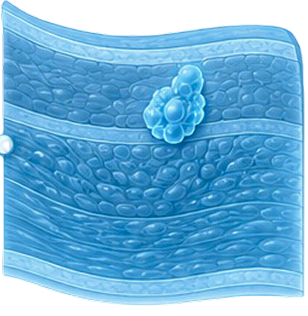
carcinoma in situ
Cancer is limited to the top layer of cells lining the esophagus and have not spread elsewhere.
- Stage - Early

Confined to the esophagus
Cancer has spread from the top layer of cells into the deeper tissues but is still limited anywhere within the esophagus.
- Stage - Localised

Spread to deeper layers
Cancer has spread from the top layer of cells into the deeper tissues and/or nearby lymph nodes but not spread to distant organs.
- Stage - Regional Spread
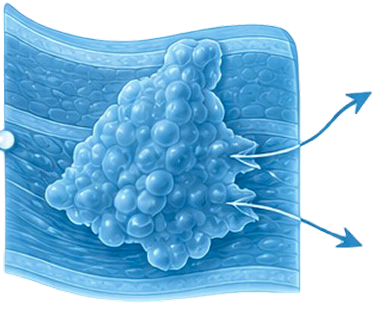
Extensive local spread
Cancer has spread to the layers of the esophagus and nearby lymph nodes.
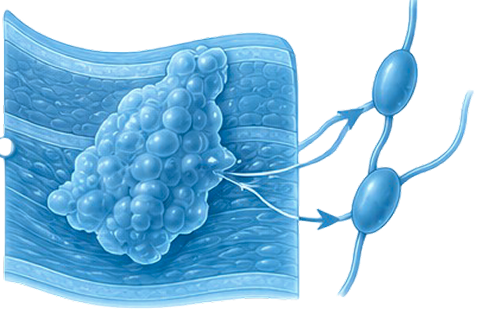
- When esophageal cancer is found at Stage 0 or I, the chances of successful treatment are dramatically higher. Nura’s advanced screening helps detect esophageal cancer at the earliest, most treatable stages — giving you peace of mind and better outcomes.
Risk Factors
Several lifestyle and environmental factors can significantly increase your risk of Esophageal Cancer. Know them early.
- Gender plays a vital role, with men being at double the risk when compared to women
- Tobacco consumption in any form, whether smoked or smokeless
- Excessive alcohol consumption increases risk not only for esophageal cancer but multiple other diseases
- People with existing esophageal conditions such as Gastroesophageal reflux disease and Barrett’s esophagus
- Obesity due to unhealthy eating and sedentary lifestyle increases risk not only for esophageal cancer but multiple other diseases
- An Unhealthy Diet which lacks in sufficient quantity of fruits and vegetables, is high in processed meat or drinking very hot liquids increase the risk of esophageal cancer
Nura Recommends :
Early screening is the smartest way to protect yourself. Nura’s advanced low-dose CT with Japanese Ai can detect Esophageal issues years before symptoms appear.
- Start screening at age 35, or earlier if you have any of the above risk factors
- Annual screening gives the most accurate picture of your lung health
- No fasting, no preparation — quick and comfortable walk-in screening
- Get expert-reviewed reports on the same day
Screening for Esophageal Cancer
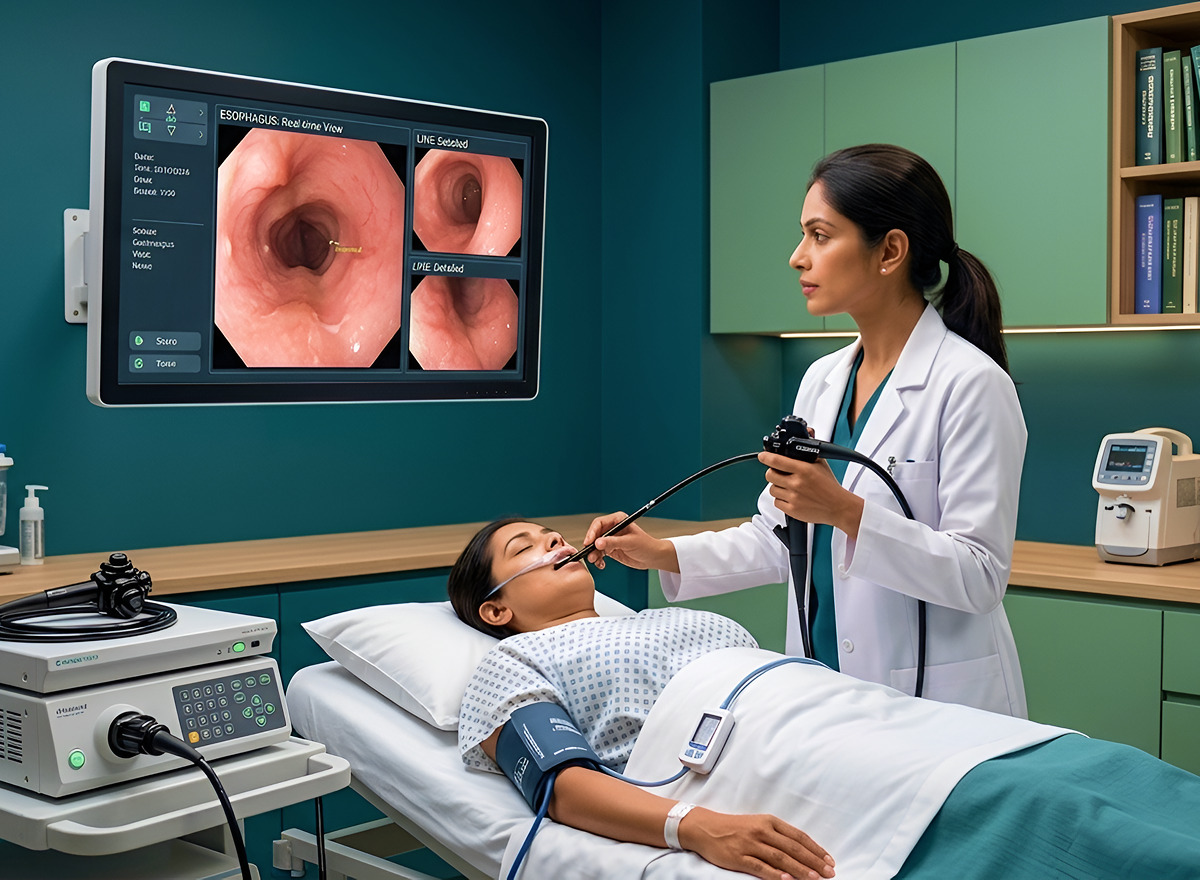
While there are no routine screening tests for esophageal cancer, an Upper Gastrointestinal Endoscopy is one way of studying the esophagus for abnormalities.
Know what's happening inside your body
Explore your healthy screening results across 12 vital health parameters.
Lung Screening
Silent until advanced. NURA’s Ai detects lung nodules years before symptoms appear.

Cervical Screening
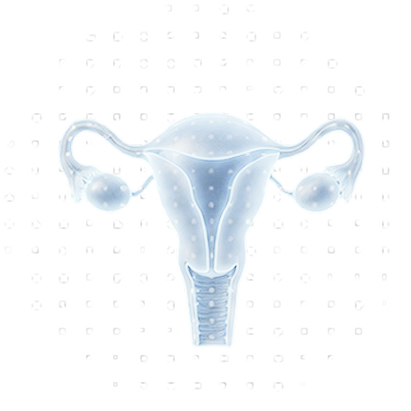
Screens for cervical cancer using Colposcopy, by closely studying the cervix with a colposcope.

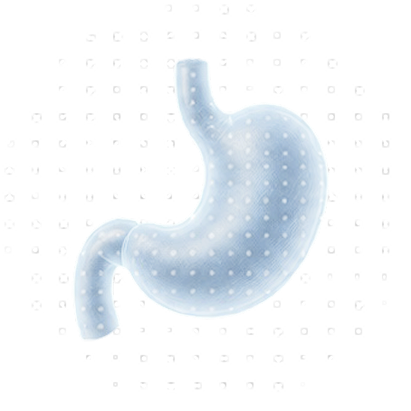
Stomach Health
Screens for H-pylori, a common stomach bacteria associated long-term digestive issues. and stomach inflammation.


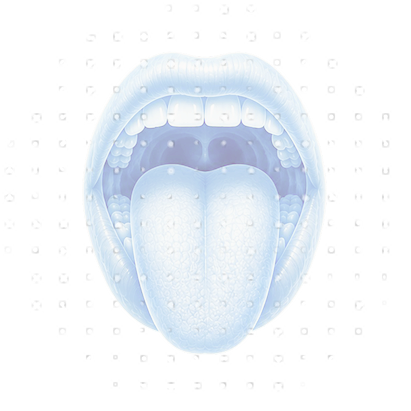
Oral Screening
Oral Screening checks for healthy teeth and gums and identifies visible signs of oral cancer or other abnormalities.
Oral Screening
Oral Screening checks for healthy teeth and gums and identifies visible signs of oral cancer or other abnormalities.
Rare but impactful cancer of the voice box
Nura enables early detection for better outcomes
Laryngeal cancer is a rare cancer of the larynx, or voice box, found at in the neck above the windpipe.
Depending on where cancer starts, it is treated accordingly. There is a possibility that this type of cancer can damage your voice. Almost all laryngeal cancers are squamous cell carcinomas, which are thin, flat cells which are found in the inner lining of the larynx.
Depending on where cancer starts, it is treated accordingly. There is a possibility that this type of cancer can damage your voice. Almost all laryngeal cancers are squamous cell carcinomas, which are thin, flat cells which are found in the inner lining of the larynx.
Supraglottis
- Top part of larynx, just above the glottis.
- It contains the epiglottis, a flap that closes the larynx to send food down the oesophagus to stomach.
- It also helps keep fluids and food from going into lungs.
Glottis
- Middle part of larynx, between superglottis and subglottis.
- It contains vocal chords, which are a pair of muscles which vibrate to produce sounds.
- Moves upwards while swallowing.
Subglottis
- Bottom part of larynx, between glottis and windpipe.
- Moves downwards while swallowing.
Stages of Laryngeal Cancer
Laryngeal cancer often shows no obvious symptoms in the early stages, which is why regular screening is crucial for early detection and better outcomes.
- Stage(0) - Early

carcinoma in situ
Cancer is limited to the top layer of cells lining the larynx and have not spread elsewhere.
- Stage - Early
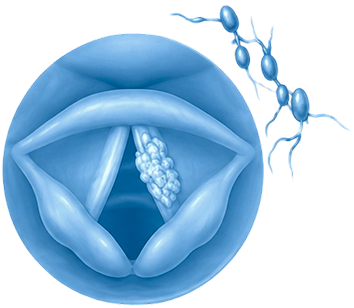
Confined to one area
Supraglottis – Cancer is limited to one area of the supraglottis only and has not affected the vocal cords Glottis – Cancer is within one or two vocal cords Subglottis – Cancer is in the subglottis only.
- Stage - Localised
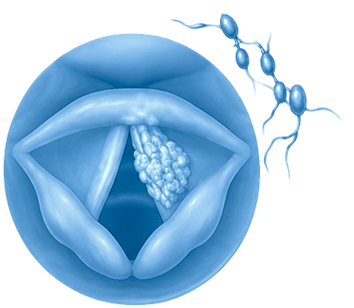
Limited spread within larynx
Supraglottis – Cancer has spread to more than one area of the supraglottis and nearby tissues Glottis – Cancer has spread to the supraglottis and/or the subglottis. It may have also affected the vocal cords Subglottis – Cancer has spread to one or both vocal cords
- Stage - Regional Spread

Advanced local involvement
There are multiple descriptions for this stage, depending on where cancer has begun. Broadly, the cancer may still be contained within the larynx and has affected the vocal cords. It might have also spread to nearby tissues and/or nearby lymph nodes.
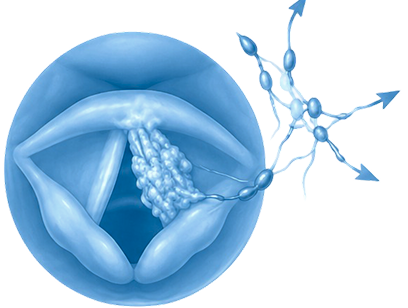
- When laryngeal cancer is found at Stage 0 or I, the chances of successful treatment and voice preservation are significantly higher. Nura’s advanced screening helps detect laryngeal cancer at the earliest, most treatable stages — giving you peace of mind and better outcomes.
Risk Factors
Several lifestyle and environmental factors can significantly increase your risk of Laryngeal Cancer. Know them early.
- Tobacco consumption in any form, whether smoked or smokeless
- An Unhealthy Diet which lacks in sufficient quantity of fruits and vegetables, is high in processed meat or drinking very hot liquids increase the risk of esophageal cancer
- Excessive alcohol consumption increases risk not only for esophageal cancer but multiple other diseases
- Workplace exposure to toxins such as Asbestos, a known human carcinogen has been directly and scientifically linked to causing multiple kinds of cancer. It is widely used in house construction materials, automobiles parts and textiles.
- People with a family history of throat cancer have an increased risk of Laryngeal cancer
- People with genetic conditions such as Fanconi anemia have an increased risk of Laryngeal cancer
Nura Recommends :
Early screening is the smartest way to protect yourself. Nura’s advanced low-dose CT with Japanese Ai can detect Laryngeal issues years before symptoms appear.
- Start screening at age 35, or earlier if you have any of the above risk factors
- Annual screening gives the most accurate picture of your lung health
- No fasting, no preparation — quick and comfortable walk-in screening
- Get expert-reviewed reports on the same day
Screening for Laryngeal Cancer
While there are no routine screening tests for laryngeal cancer, an upper gastrointestinal endoscopy is one way of studying the larynx for abnormalities.
Know what's happening inside your body
Explore your healthy screening results across 12 vital health parameters.
Lung Screening
Silent until advanced. NURA’s Ai detects lung nodules years before symptoms appear.
Cervical Screening
Screens for cervical cancer using Colposcopy, by closely studying the cervix with a colposcope.
Stomach Health
Screens for H-pylori, a common stomach bacteria associated long-term digestive issues. and stomach inflammation.
Oral Screening
Oral Screening checks for healthy teeth and gums and identifies visible signs of oral cancer or other abnormalities.
Oral Screening
Oral Screening checks for healthy teeth and gums and identifies visible signs of oral cancer or other abnormalities.
Rare but impactful cancer of the voice box
Nura enables early detection for better outcomes
Laryngeal cancer is a rare cancer of the larynx, or voice box, found at in the neck above the windpipe.
Depending on where cancer starts, it is treated accordingly. There is a possibility that this type of cancer can damage your voice. Almost all laryngeal cancers are squamous cell carcinomas, which are thin, flat cells which are found in the inner lining of the larynx.
Depending on where cancer starts, it is treated accordingly. There is a possibility that this type of cancer can damage your voice. Almost all laryngeal cancers are squamous cell carcinomas, which are thin, flat cells which are found in the inner lining of the larynx.
Supraglottis
- Top part of larynx, just above the glottis.
- It contains the epiglottis, a flap that closes the larynx to send food down the oesophagus to stomach.
- It also helps keep fluids and food from going into lungs.
Glottis
- Middle part of larynx, between superglottis and subglottis.
- It contains vocal chords, which are a pair of muscles which vibrate to produce sounds.
- Moves upwards while swallowing.
Subglottis
- Bottom part of larynx, between glottis and windpipe.
- Moves downwards while swallowing.
Stages of Laryngeal Cancer
Laryngeal cancer often shows no obvious symptoms in the early stages, which is why regular screening is crucial for early detection and better outcomes.
- Stage(0) - Early
carcinoma in situ
Cancer is limited to the top layer of cells lining the larynx and have not spread elsewhere.
- Stage - Early
Confined to one area
Supraglottis – Cancer is limited to one area of the supraglottis only and has not affected the vocal cords Glottis – Cancer is within one or two vocal cords Subglottis – Cancer is in the subglottis only.
- Stage - Localised
Limited spread within larynx
Supraglottis – Cancer has spread to more than one area of the supraglottis and nearby tissues Glottis – Cancer has spread to the supraglottis and/or the subglottis. It may have also affected the vocal cords Subglottis – Cancer has spread to one or both vocal cords
- Stage - Regional Spread
Advanced local involvement
There are multiple descriptions for this stage, depending on where cancer has begun. Broadly, the cancer may still be contained within the larynx and has affected the vocal cords. It might have also spread to nearby tissues and/or nearby lymph nodes.
- When laryngeal cancer is found at Stage 0 or I, the chances of successful treatment and voice preservation are significantly higher. Nura’s advanced screening helps detect laryngeal cancer at the earliest, most treatable stages — giving you peace of mind and better outcomes.
Risk Factors
Several lifestyle and environmental factors can significantly increase your risk of Laryngeal Cancer. Know them early.
- Tobacco consumption in any form, whether smoked or smokeless
- An Unhealthy Diet which lacks in sufficient quantity of fruits and vegetables, is high in processed meat or drinking very hot liquids increase the risk of esophageal cancer
- Excessive alcohol consumption increases risk not only for esophageal cancer but multiple other diseases
- Workplace exposure to toxins such as Asbestos, a known human carcinogen has been directly and scientifically linked to causing multiple kinds of cancer. It is widely used in house construction materials, automobiles parts and textiles.
- People with a family history of throat cancer have an increased risk of Laryngeal cancer
- People with genetic conditions such as Fanconi anemia have an increased risk of Laryngeal cancer
Nura Recommends :
Early screening is the smartest way to protect yourself. Nura’s advanced low-dose CT with Japanese Ai can detect Laryngeal issues years before symptoms appear.
- Start screening at age 35, or earlier if you have any of the above risk factors
- Annual screening gives the most accurate picture of your lung health
- No fasting, no preparation — quick and comfortable walk-in screening
- Get expert-reviewed reports on the same day
Screening for Laryngeal Cancer
While there are no routine screening tests for laryngeal cancer, an upper gastrointestinal endoscopy is one way of studying the larynx for abnormalities.
Know what's happening inside your body
Explore your healthy screening results across 12 vital health parameters.
Lung Screening
Silent until advanced. NURA’s Ai detects lung nodules years before symptoms appear.
Cervical Screening
Screens for cervical cancer using Colposcopy, by closely studying the cervix with a colposcope.
Stomach Health
Screens for H-pylori, a common stomach bacteria associated long-term digestive issues. and stomach inflammation.
Oral Screening
Oral Screening checks for healthy teeth and gums and identifies visible signs of oral cancer or other abnormalities.
Oral Screening
Oral Screening checks for healthy teeth and gums and identifies visible signs of oral cancer or other abnormalities.