Understanding Heart Health
Your heart is the engine of your body. NURA’s advanced screening detects early signs of coronary heart disease and plaque buildup, enabling timely prevention and protection against heart attacks.
Lower radiation
Minutes — full screening
Leading cause of death in India
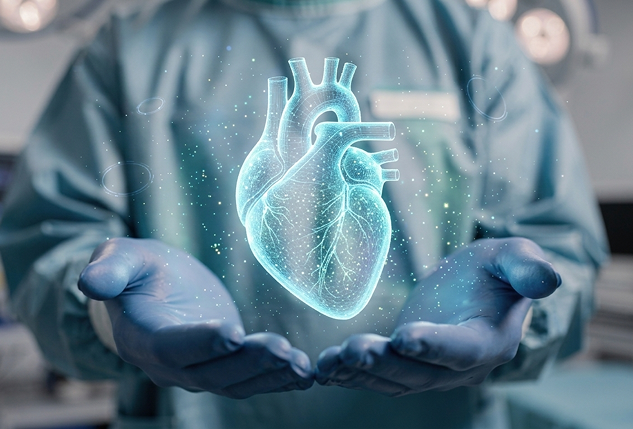
NURA detects early signs of heart disease years before symptoms
Coronary heart disease develops when the major blood vessels supplying the heart muscles become damaged or diseased. Plaque (deposits made of fats, cholesterol, calcium, and other substances in the blood) and inflammation are usually the cause.
Plaque builds up in the arteries and decreases blood flow to your heart. Over time, the decreased blood flow may cause symptoms of coronary heart disease such as chest pain and shortness of breath. A complete blockage can cause a heart attack. Since plaque buildup happens over time, you may not show any symptoms, until there is a significant blockage. However, it is possible to prevent and treat this disease, beginning with early detection of the disease and making changes for a healthier lifestyle
Risk Factors
Several lifestyle and environmental factors can significantly increase your risk of Stomach cancer. Know them early.
- Older age puts you at greater risk of Coronary Heart Disease
- Gender influences your likelihood of developing Coronary Heart Disease, with men being at greater risk, while the risk for women increases after menopause
- A family history of heart disease, especially if your father or brother was diagnosed with heart disease before 55 yrs or your mother or a sister developed it before age 65
- Smoking and exposure to secondhand smoke increases your risk of Coronary Heart Disease
- High blood pressure increases your risk of Coronary Heart Disease
- Type 2 Diabetes increases your risk of Coronary Heart Disease
- Obesity due to unhealthy eating and a sedentary lifestyle increases risk not only for Coronary Heart Disease but multiple other diseases
- High stress levels are also a factor in putting you at risk of developing Coronary Heart Disease
- An unhealthy diet that is high in saturated fats, trans fat, salt and sugar puts you at higher risk.
NURA Recommends :
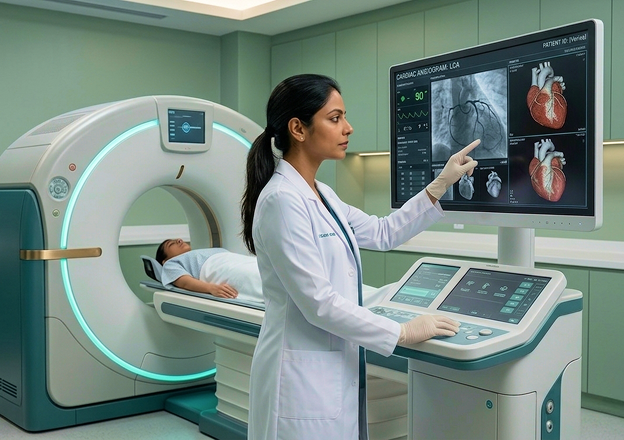
Early screening is the smartest way to protect yourself. NURA’s advanced Ai powered ultra-low-dose CT & Fujifilm's advanced imaging can detect Heart issues years before symptoms appear.
- Start screening at age 35, or earlier if you have any of the above risk factors
- Annual screening gives the most accurate picture of your health
- Arrive for your appointment - no fasting or prior preparation required
- Get expert-reviewed reports on the same day
Screening for Coronary Heart Disease
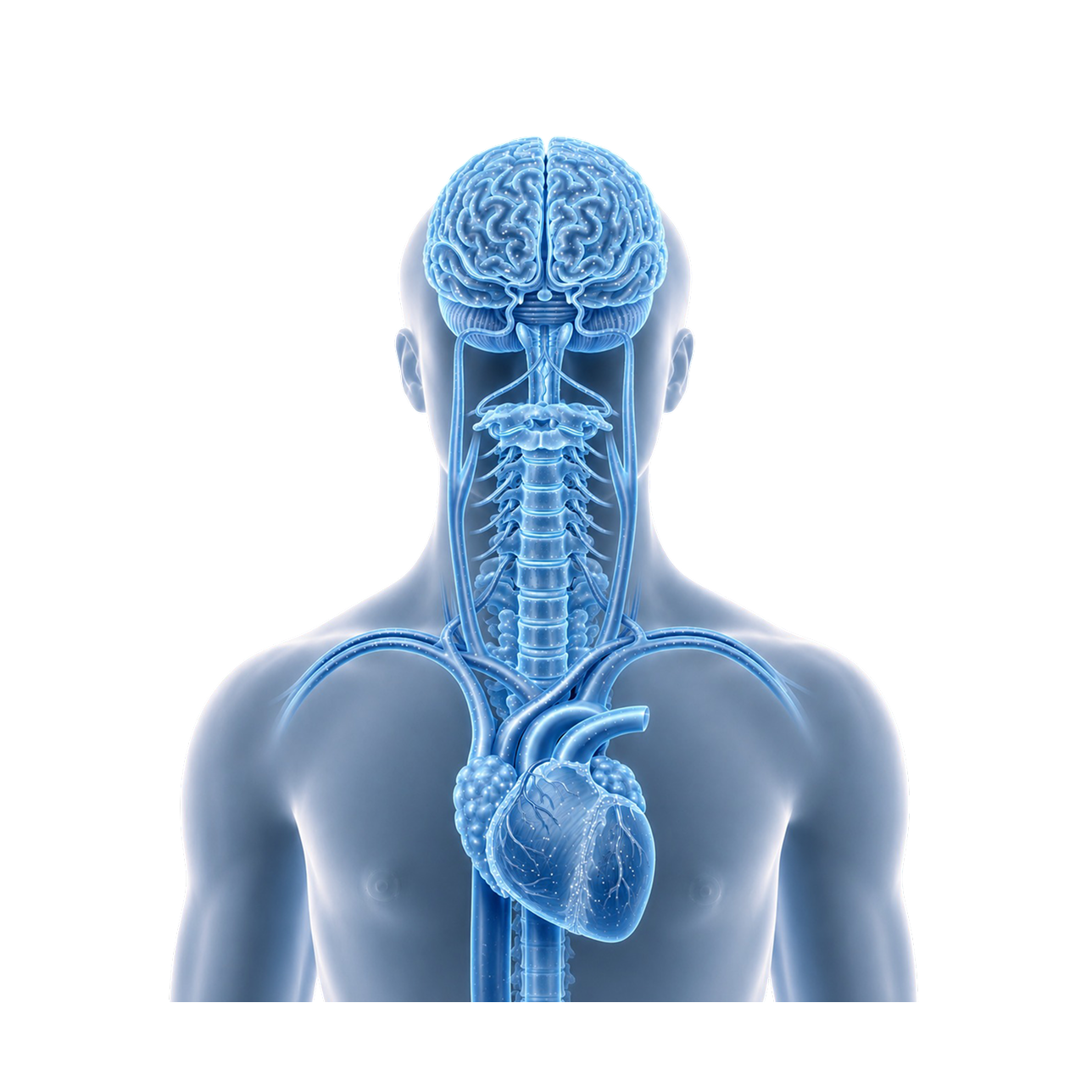
Affects 1 in 4 Indian adults
NURA detects abnormal lipid levels early to prevent heart disease
Hyperlipidaemia is abnormally elevated levels of lipids or lipoproteins in the blood. Lipids (water-insoluble molecules) are transported in a protein capsule. The size of that capsule determines its density. The lipoprotein density and type of apolipoproteins it contains determines the fate of the particle and its influence on metabolism. Hyperlipidaemia are divided into primary and secondary subtypes. Primary hyperlipidaemia is usually due to genetic causes (such as a mutation in a receptor protein), while secondary hyperlipidaemia arises due to other underlying causes such as diabetes. Lipid and lipoprotein abnormalities are common in the general population and are regarded as modifiable risk factors for cardiovascular disease and brain stroke due to their influence on atherosclerosis.
Screening for Heart & Brain vessel health
Blood tests help doctors evaluate multiple aspects of your health, including how your organs are functioning. They allow doctors to assess your risk factors for prostate cancer, heart disease, brain stroke, liver conditions, and various other health conditions. Any result outside the reference range may indicate the need for further evaluation.
A blood lipid profile measures the levels of different types of fats in your blood, including total cholesterol, LDL (bad) cholesterol, HDL (good) cholesterol, and triglycerides (which store unused calories). This combination of tests helps identify the risk of coronary heart disease and brain stroke and can serve as a preventive measure, allowing you to make lifestyle changes if necessary.
Our technology is highly sensitive, uses dry chemistry technology, and is being successfully used across the world.

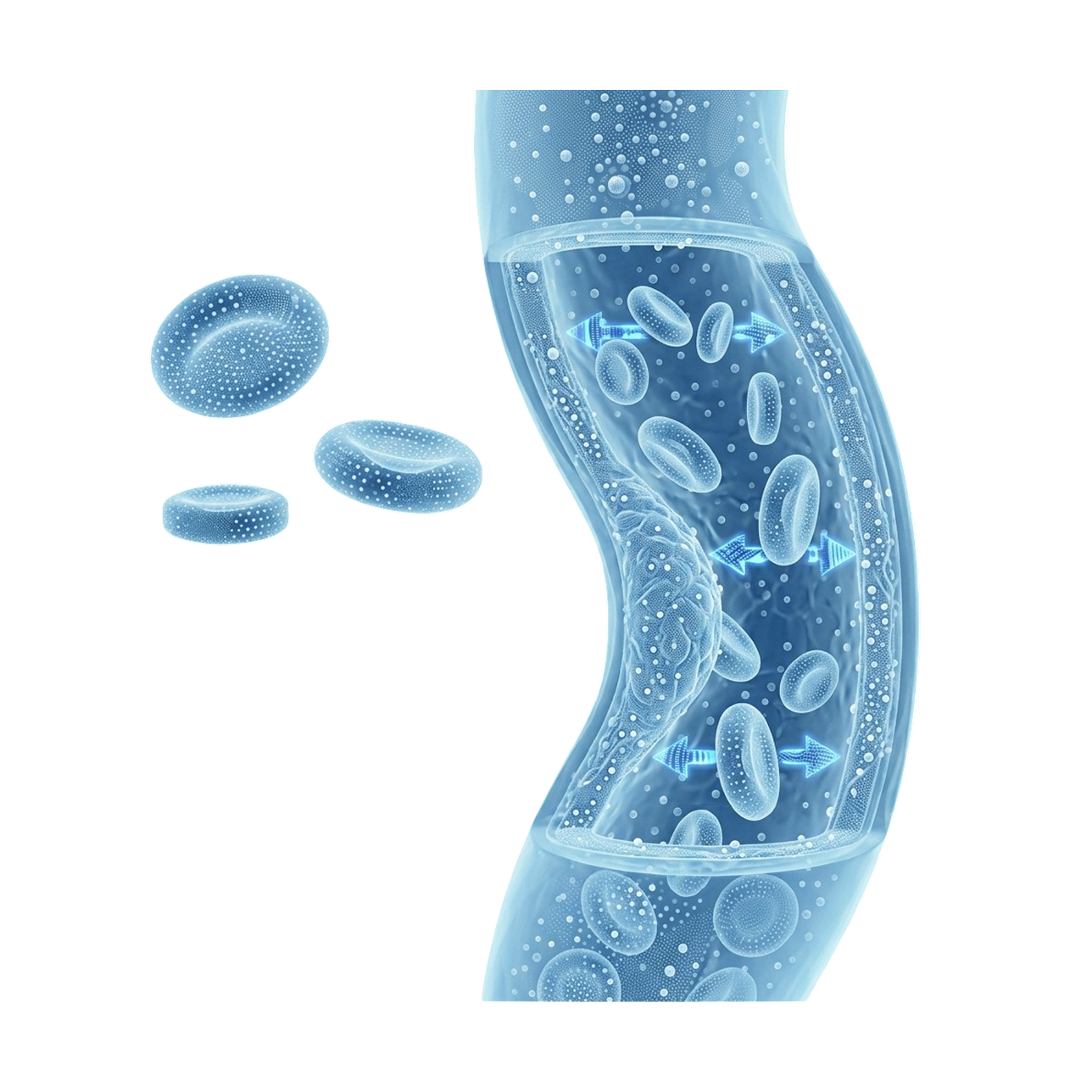
Affects 1 in 4 Indian adults
NURA recommends regular screening to prevent heart disease and stroke
A blood pressure test is used to measure the pressure in your arteries as your heart pumps. It is recommended at least once every two year to screen for high blood pressure as a risk factor for heart disease and stroke, starting at age 18. It is recommended that you have a blood pressure test at least once a year if you’re older than 40 or have additional risks for heart disease, such as being overweight or if you have a family history of abnormal pressure or heart disease.
Know what's happening inside your body
Explore your healthy screening results across 12 vital health parameters.
Lung Screening
Cervical Screening

Stomach Health
Oral Screening