Understanding Blood Health
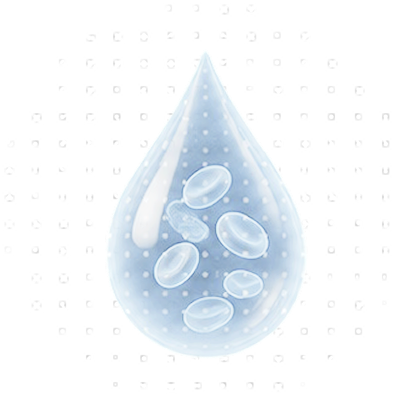
Your blood is the lifeline of your body. NURA’s advanced screening detects early signs of blood disorders like leukaemia, enabling timely intervention and better treatment outcomes.
Common yet often detected late
NURA identifies leukaemia at treatable stages
Leukaemia is a cancer of the body’s blood-forming tissues, including the bone marrow and the
lymphatic system. Your white blood cells normally grow and divide in an orderly way, as your body needs them. But in the case of someone with leukaemia, the bone marrow produces abnormal white blood cells that don’t function properly.
Leukemia is grouped into 2 based on how fast it progresses. Acute is when is progresses fast with more abnormal cells. And Chronic when it progress slowly with more mature cells.
Types of Leukaemia
- Leukaemia usually involves the white blood cells and tends to affect either one of its types- lymphocytes and granulocytes.
- Cancer of the lymphocytes is called lymphocytic leukemia
- Cancer of the granulocytes is called myeloid or myelogenous leukemia.
Stages of Leukaemia
Leukaemia may not cause obvious symptoms in the early stages. Regular screening can help detect it early and improve treatment outcomes. This staging applies specifically to chronic lymphocytic leukaemia (CLL), a type of blood cancer.
- Stage(0) - Early
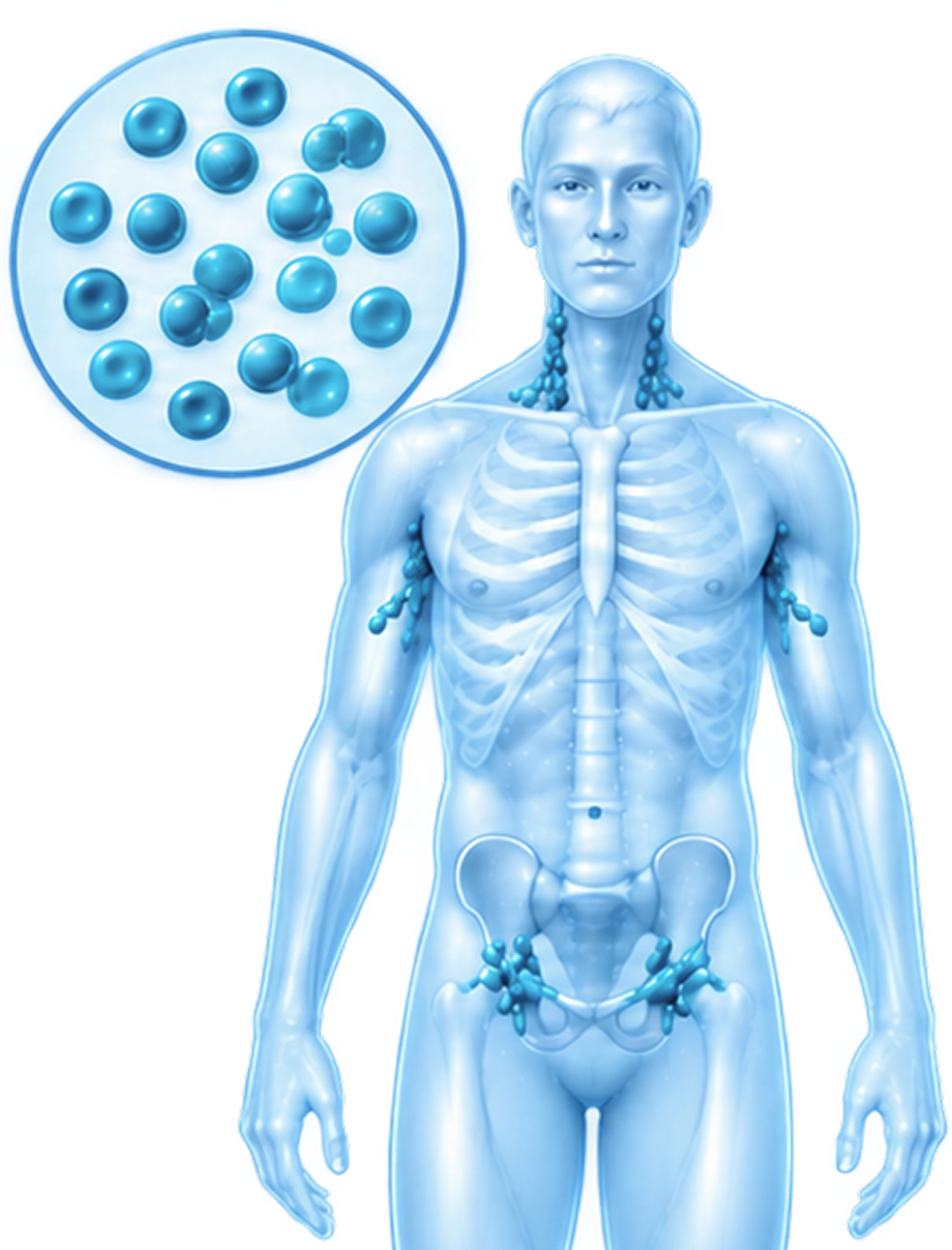
High lymphocyte count
Too many lymphocytes in the blood but no other symptoms can be seen.
- Stage(1) - Early
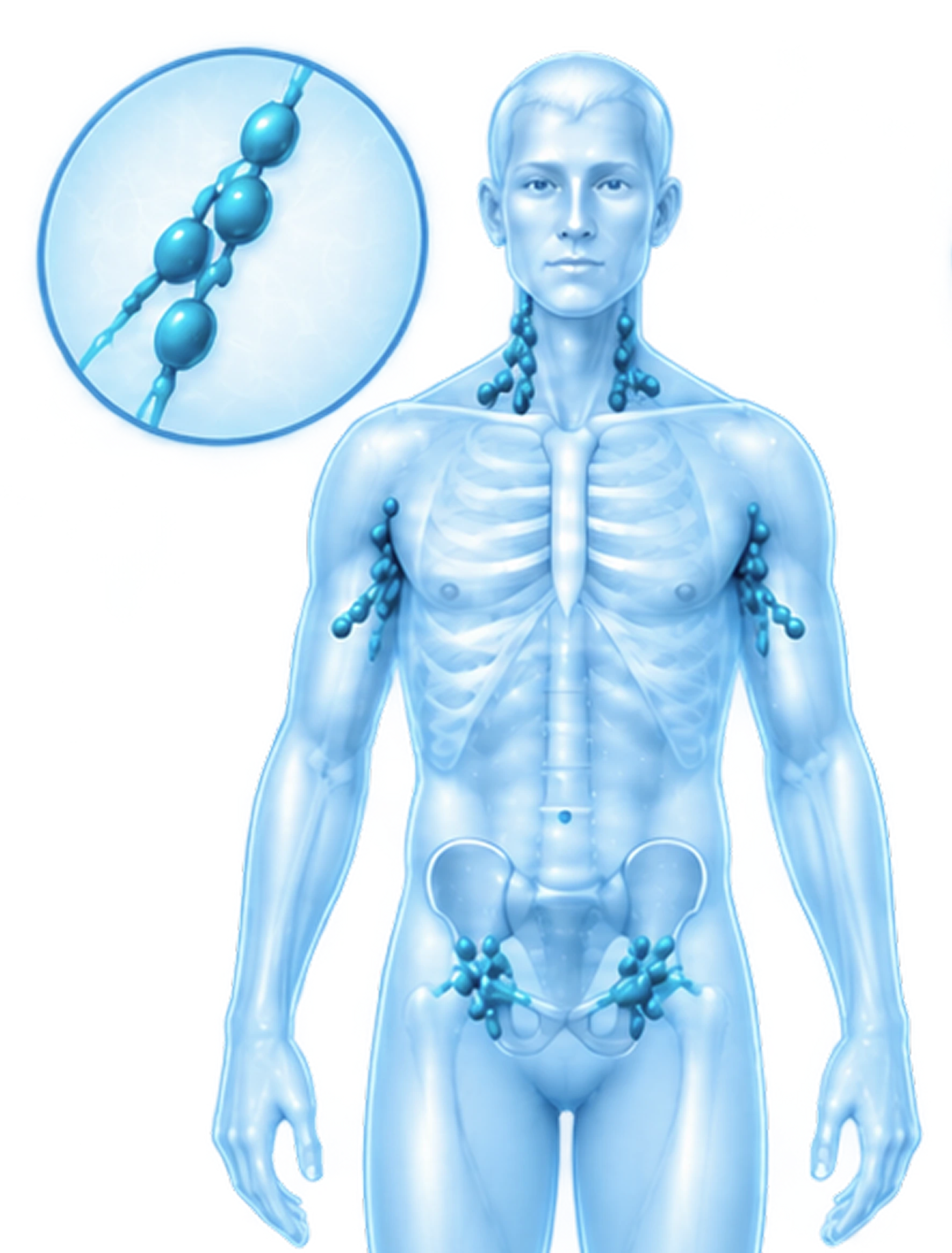
Lymph node enlargement
Too many lymphocytes in the blood along with swollen lymph nodes
- Stage(2) - Localised
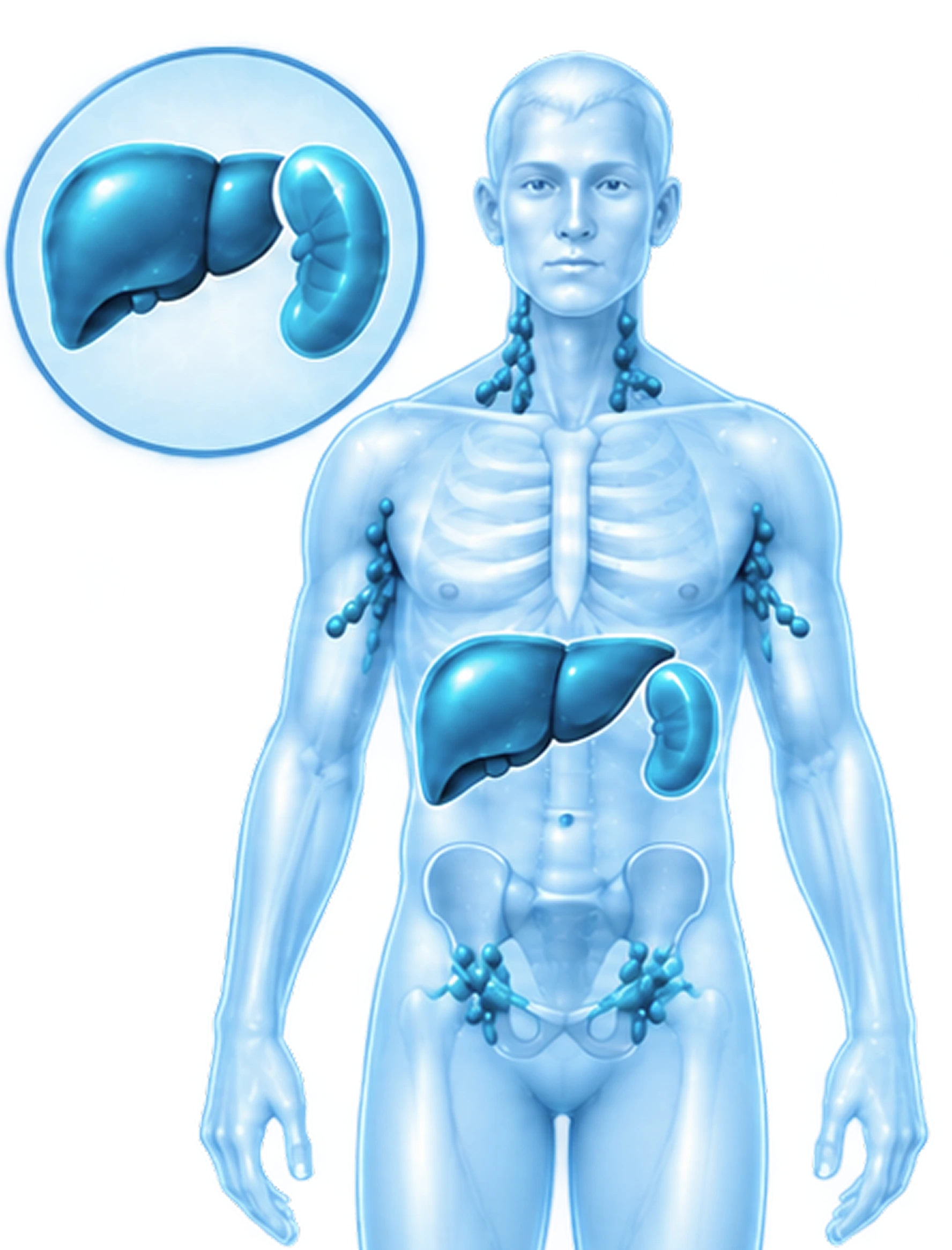
Organ involvement
Too many lymphocytes in the blood along with swollen lymph nodes, spleen and liver
- Stage(3) - Regional Spread
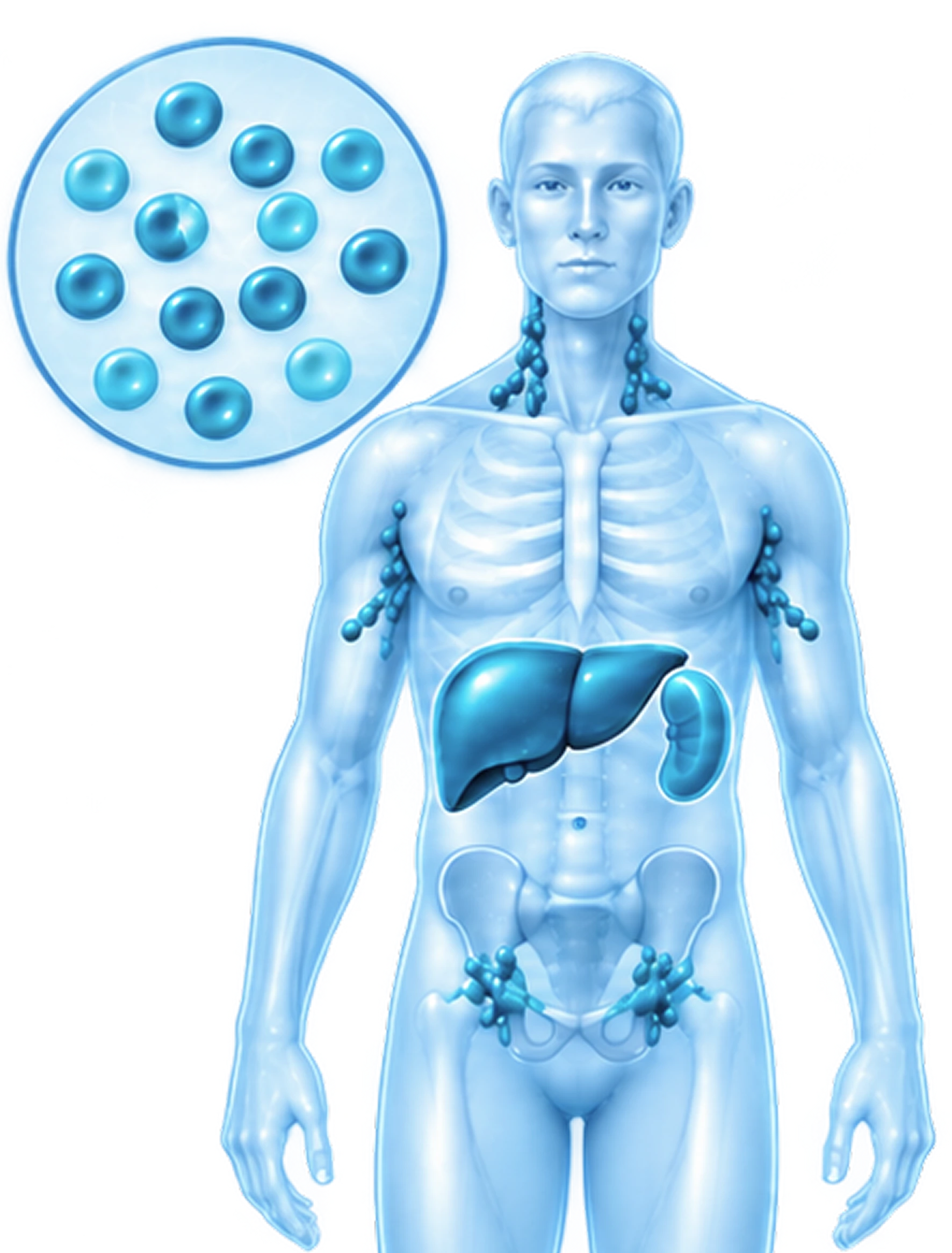
Anemia develops
Too many lymphocytes in the blood, affecting the development of red blood cells, leading to anemia
- Stage(4) - Distant Spread
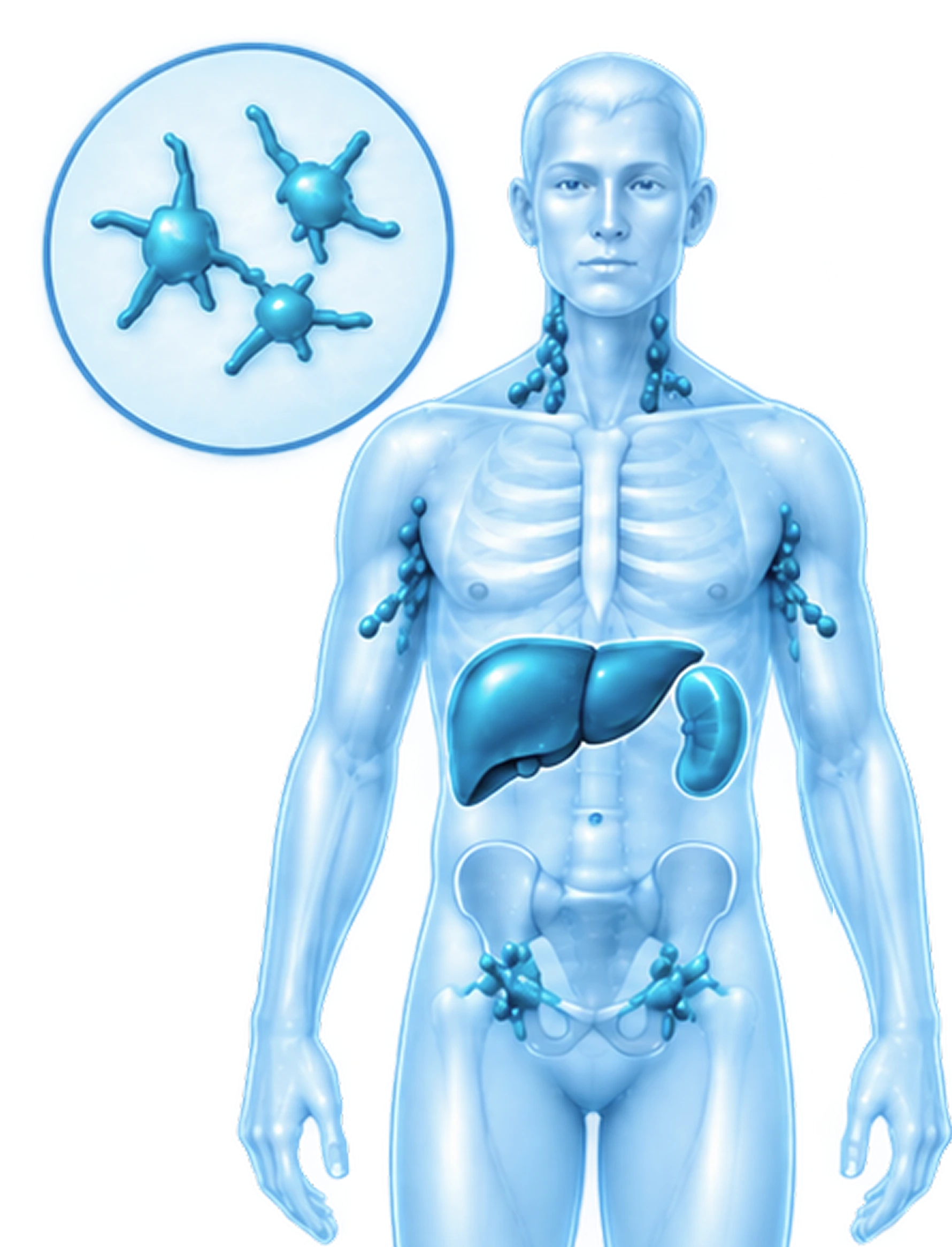
Severe complications
Too many lymphocytes in the blood, too few platelets and red blood cells. The lymph nodes, spleen, and liver may be swollen.
- Acute Myeloid Leukemia (AML) This type of cancer is not staged like other cancers as it usually does not form tumors. Treatment depends on the subtype of AML, the age of the patient, and other test results.
Risk Factors
Several lifestyle and environmental factors can significantly increase your risk of Leukaemia. Know them early.
- A family history of leukaemia increases your risk of developing the condition later in life
- Smoking and exposure to secondhand smoke increases your risk of developing acute myeloid leukaemia (AML)
- Genetic disorders such as Down syndrome increases your risk for leukaemia.
- Blood disorders such as myelodysplastic syndrome, which is sometimes called “preleukaemia” increase your risk of developing leukaemia
- Radiation from previous treatment for cancer or exposure to high levels of radiation
- Exposure to chemicals such as benzene increases your risk for leukaemia.
NURA Recommends :
Early screening is the smartest way to protect yourself. NURA’s comprehensive health screening help identify abnormal blood cell counts and potential blood disorders long before symptoms appear.
- Start screening at age 35, or earlier if you have any of the above risk factors
- Annual screening gives the most accurate picture of your health
- Arrive for your appointment - no fasting or prior preparation required
- Get expert-reviewed reports on the same day
Screening for Leukaemia
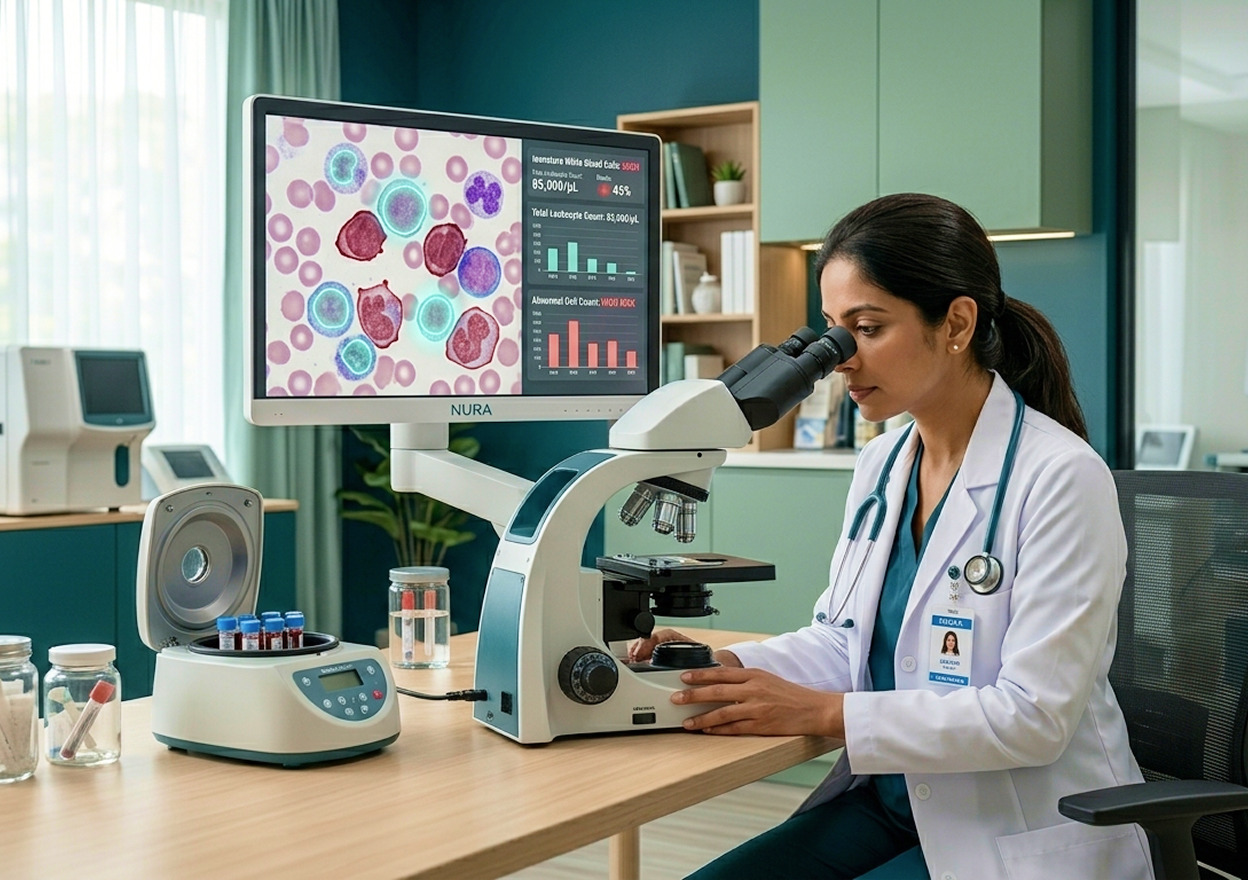
Affects 1 in 6 adults in India
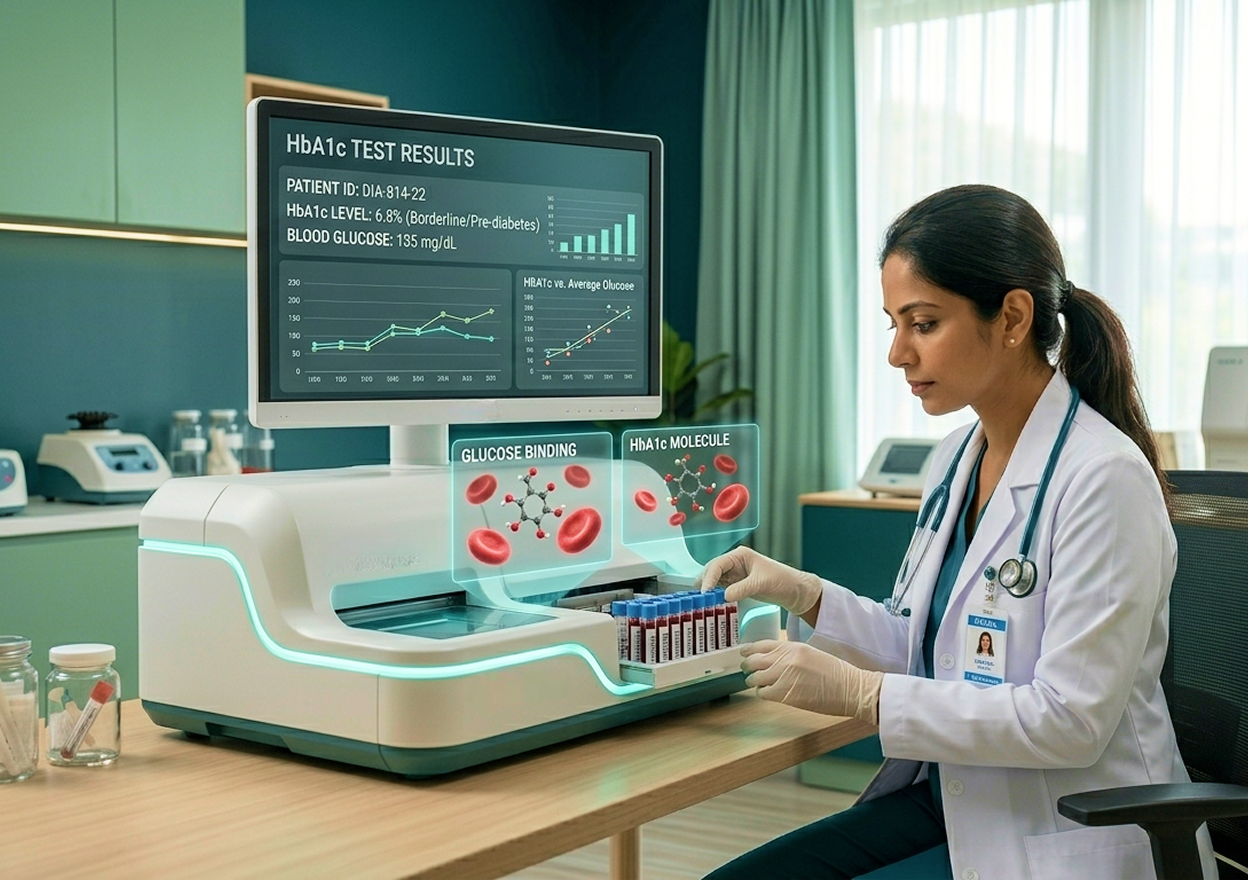
NURA detects early diabetes and related risks
Screening for Diabetes
Know what's happening inside your body
Explore your healthy screening results across 12 vital health parameters.
Lung Screening
Cervical Screening

Stomach Health
Oral Screening