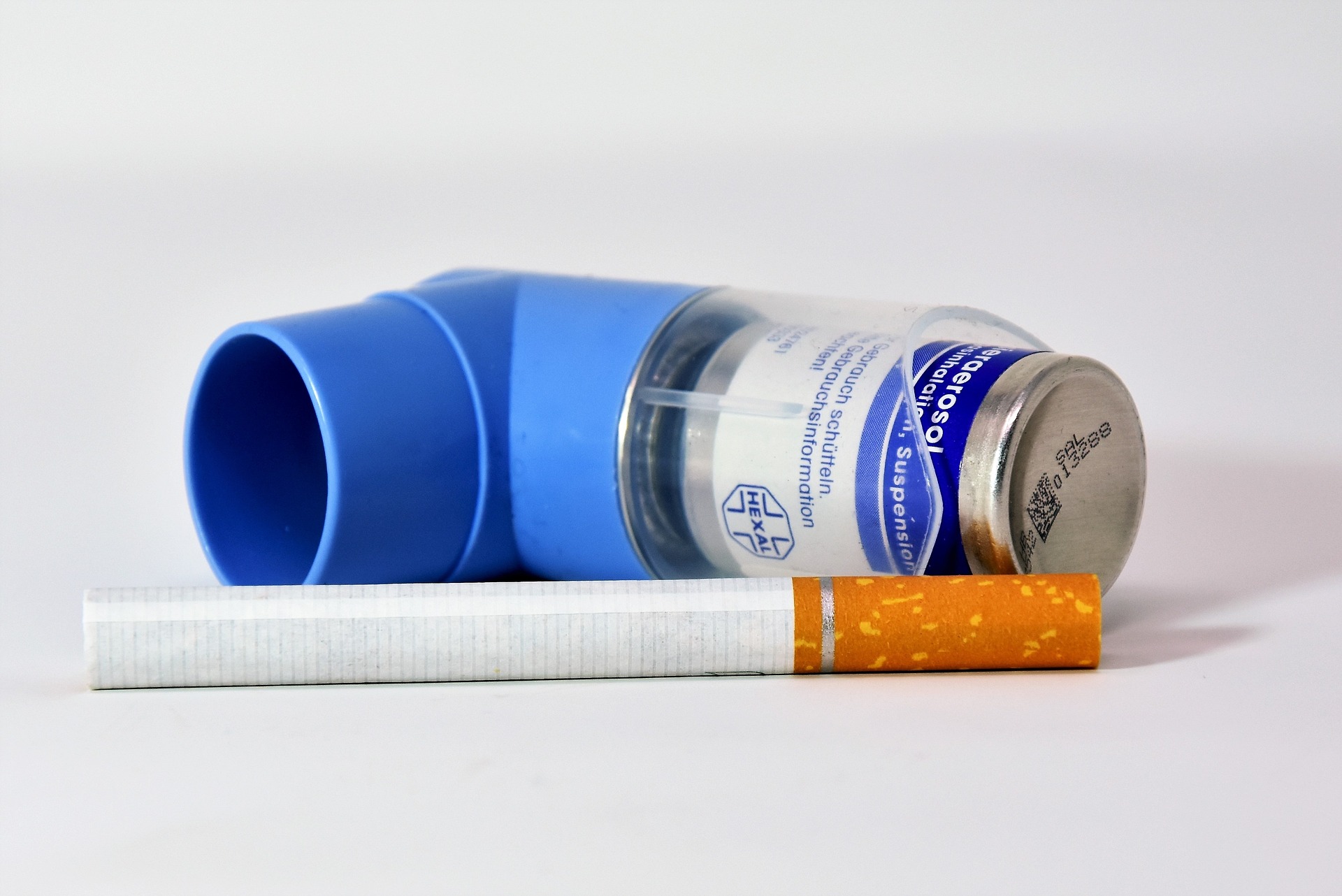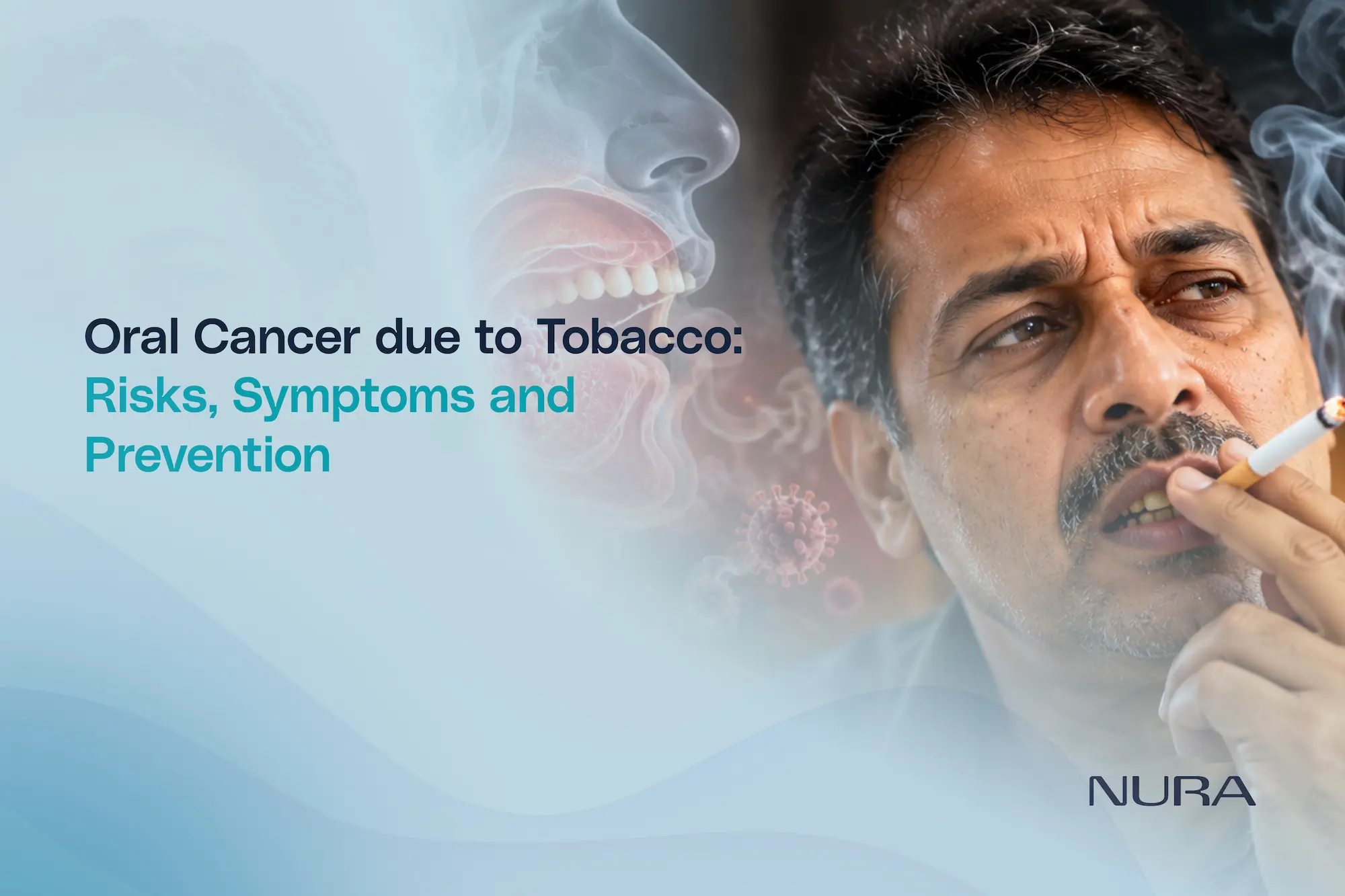
One of the most significant modifiable risk factors for cancer is the use of tobacco. Tobacco can cause cancer in almost all organs of the body, including the mouth and throat. The use of tobacco doesn’t necessarily mean smoking. There are other forms of tobacco that may lead to oral cancer like smokeless tobacco, which includes chewing tobacco and other types of oral tobacco.
Understanding the connection between oral cancer due to tobacco, recognising warning signs and taking preventive steps can help people make informed decisions about their health.
What Is Oral Cancer?
Oral cancer refers to cancer that develops in the lips and different parts of the mouth, including the tongue, gums, inner lining of the cheeks, floor of the mouth and palate.
According to the World Health Organization (WHO), some of the common causes of oral cancer include smoking, consumption of alcohol, and the chewing of areca nuts.
Oral cancer can affect people who do not use tobacco as well. However, tobacco exposure is an important modifiable risk factor, making tobacco prevention and cessation an important part of oral cancer prevention.
How Does Tobacco Increase Oral Cancer Risk?
The smoke from tobacco contains many harmful materials, which include chemicals that may damage cells and result in cancer. Due to the repetitive exposure to such harmful agents, changes to mouth tissue cells can occur.
Smoked and Smokeless Tobacco: Both Carry Risks

The consumption of smokeless tobacco is also not considered a healthy option. Oral cancers are caused by chewing and smokeless tobacco that contain cancer-causing elements.
According to International Agency for Research on Cancer (IARC), the use of tobacco whether it is smoked or not is considered an established cause of oral cancers. Where tobacco and areca nut use is prevalent, the two are known to cause more cases of oral cancers.
Hence, oral cancers caused by tobacco cannot be restricted to smoking only. Chewing of tobacco and other forms of smokeless tobacco should be equally regarded.
Tobacco and Oral Cancer Risk: What Increases the Concern?
The risk associated with tobacco can vary depending on the type of product, frequency and duration of use, and other individual factors.
Additional factors may also contribute to oral cancer risk. These include:
- Alcohol consumption
- Use of areca nut or betel quid
- Certain human papillomavirus (HPV) infections
- Poor oral health
- Increasing age
- Previous oral lesions or other risk factors
The consumption of tobacco along with alcohol is a matter of concern because both are risk factors for various types of cancer of the mouth and upper digestive system.
It should be noted that being a risk factor for cancer does not mean that one will have the disease. It simply means that lowering risk factors and proper consultation become very crucial.
Symptoms of Oral Cancer to Watch For
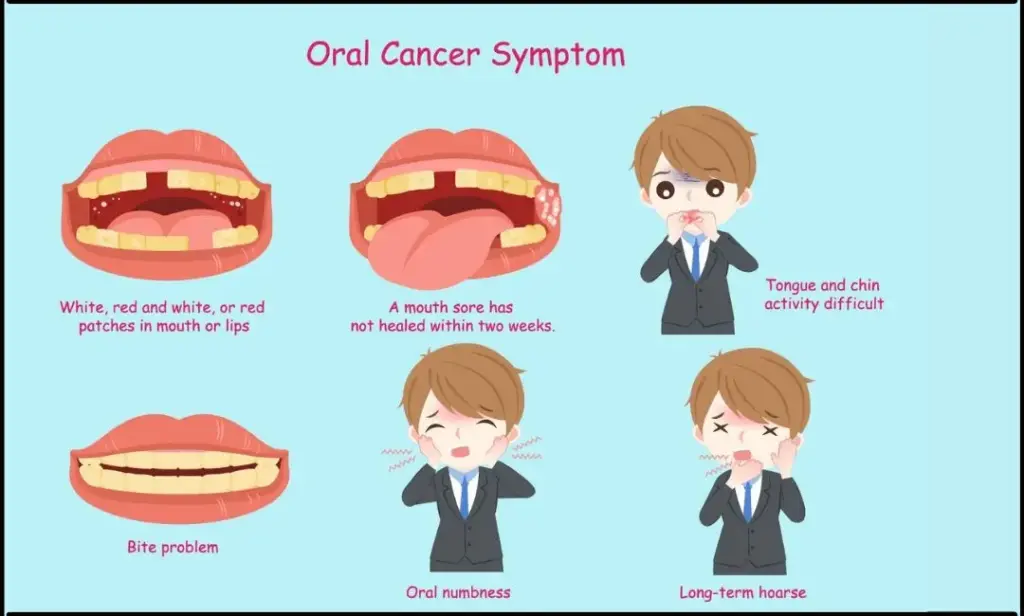
Early oral cancer or precancerous changes may not always cause obvious symptoms. Some changes can also have causes other than cancer. However, persistent or unexplained changes in the mouth should not be ignored.
Possible warning signs include:
- A sore or ulcer in the mouth that does not heal
- A persistent white or red patch
- An unexplained lump or thickening in the mouth
- Persistent pain or discomfort
- Unexplained bleeding in the mouth
- Difficulty chewing or swallowing
- Difficulty moving the tongue or jaw
- Persistent numbness or altered sensation
- Loosening of a tooth without an obvious cause
- Persistent hoarseness or changes in the voice
- A swelling in the neck
The presence of these symptoms do not necessarily mean that a person has oral cancer. However, if a mouth lesion or other change persists or becomes worse, it is important to seek assessment from a dentist or doctor rather than waiting for it to disappear.
Who Should Consider Greater Attention to Oral Health?
People who currently use tobacco or have used it for a long time should pay particular attention to changes in their mouth.
This is especially relevant for people who:
- Smoke cigarettes, bidis, cigars, or other tobacco products
- Use chewing tobacco or other smokeless tobacco
- Use tobacco-containing paan or betel quid
- Regularly consume areca nut products
- Use tobacco along with alcohol
- Have a previous history of oral lesions
- Have a strong history of tobacco-related cancers
IARC notes that early-detection approaches targeting people at higher risk may be useful in settings with a high burden of oral cancer, including parts of South and Southeast Asia.
Oral Cancer Screening and Early Detection
Screening and initial assessment can be used for the detection of suspicious oral lesions, especially when patients have certain risk factors.
A clinical examination of the mouth may allow a healthcare professional to identify lesions or changes that require further evaluation. Depending on the finding, additional tests or specialist assessment may be recommended.
How Oral Cancer Screening Helps
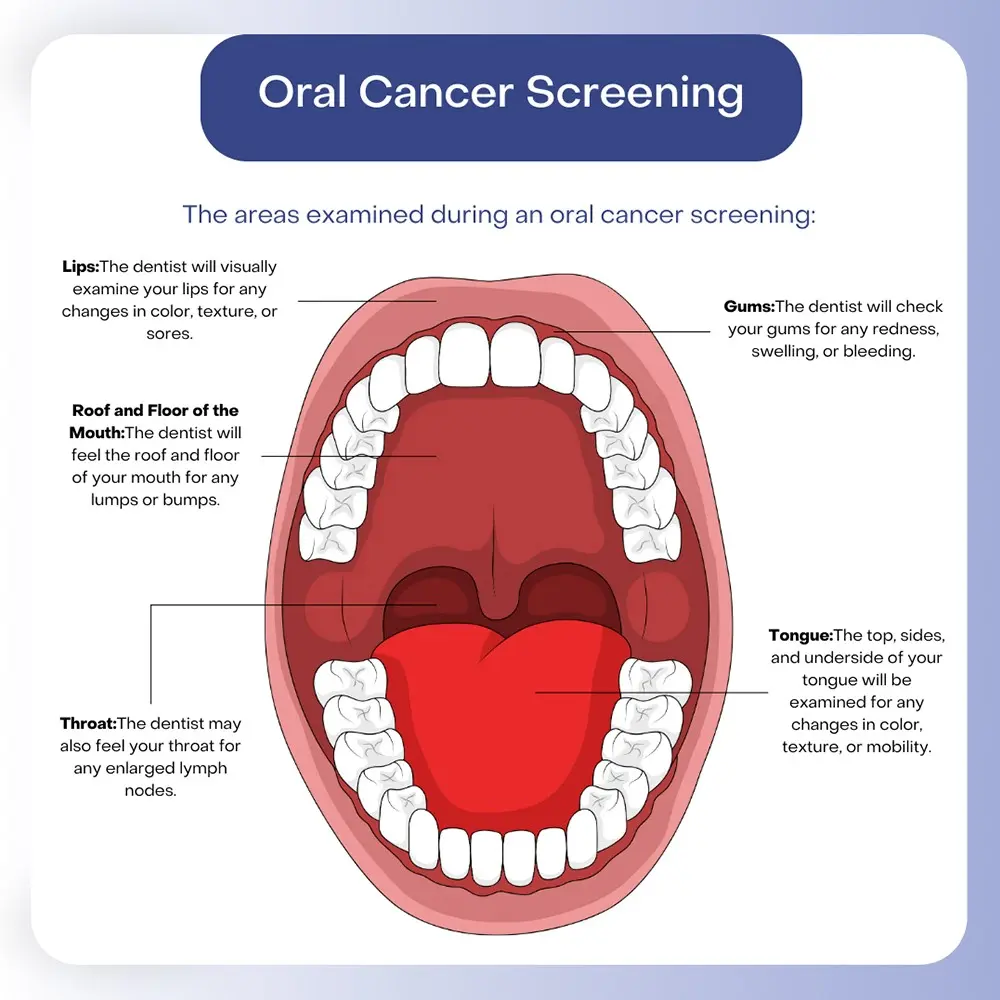
At NURA, we include oral screening as part of our preventive healthcare approach, while recognising that it does not replace diagnosis or specialist treatment.
It is important to remember that a screening result does not by itself confirm or rule out cancer. Any suspicious finding should be evaluated according to medical advice.
Prevention: The Most Important Step Is Avoiding Tobacco
The most efficient way to prevent health risks associated with tobacco is to avoid using tobacco. For those who are currently using tobacco, quitting can help prevent any health risks in the future.
As stated by the WHO, all forms of tobacco use are harmful, and hence it is advised that people take steps that will aid in quitting tobacco.
The IARC report on the prevention of oral cancers showed sufficient evidence to support the use of quitting tobacco smoking, areca nut products, and lowering alcohol intake in order to prevent oral cancer.
Those individuals using tobacco can try seeking advice from medical professionals in quitting the habit, especially if they have become dependent on nicotine.
Other Ways to Protect Oral Health
Tobacco cessation is only one part of maintaining good oral health. Other preventive measures include:
- Maintain good oral hygiene and brush regularly with fluoride toothpaste.
- Attend regular dental check-ups.
- Limit or avoid alcohol.
- Avoid areca nut and betel quid products.
- Eat a balanced diet with adequate fruits and vegetables.
- Do not ignore persistent changes in the mouth.
- Seek professional advice if symptoms continue.
Good oral health is closely connected with overall health, and many oral diseases share risk factors with other noncommunicable diseases.
For people interested in assessing broader health risks, a cancer screening assessment or preventive health screening may provide an opportunity to discuss appropriate screening based on individual risk factors.
When Should You Seek Medical Advice?
There is no need to wait for your routine medical examination if you observe any changes such as the development of a mouth ulcer, lump, or white or red spot in the mouth, bleeding, numbness, problems with swallowing, or any other changes.
Such symptoms may have multiple causes, but you definitely need to get examined by a specialist. If you are a regular user of tobacco, you also need to talk about your personal risks.
What You Should Know
Oral cancer due to tobacco is an important health concern. Not only smoked tobacco but also smokeless tobacco may pose an oral cancer risk, along with alcohol consumption and chewing areca nuts.
The importance of early recognition of changes in the mouth and good oral health care should be taken into consideration. The most important thing is to avoid using tobacco or help oneself give up smoking.
If you are concerned about your individual risk, speak with a qualified healthcare professional about whether oral cancer screening or a full body checkup in Bengaluru, Gurugram, Mumbai, Hyderabad, Calicut and Chennai from NURA is appropriate for you.