Cardiovascular disease continues to be the leading cause of mortality worldwide, with coronary artery disease (CAD) accounting for a significant proportion of these deaths. In India, the burden of CAD has risen steadily over the past few decades, with studies indicating that the disease develops at a younger age and progresses more aggressively than in many Western populations. Lifestyle changes, increasing prevalence of diabetes, hypertension, obesity, chronic stress, and sedentary habits have contributed to this growing public health concern. As a result, heart disease is no longer considered a condition limited to older adults. Increasingly, individuals in their thirties and forties are experiencing cardiac events, often without any preceding symptoms. This growing trend highlights the importance of undergoing a regular heart health checkup, which can help identify potential cardiovascular risks early and support timely preventive care before symptoms develop.
Early Detection: The Key to Preventing Coronary Artery Disease
One of the greatest challenges in preventing coronary artery disease is that it frequently develops silently. Plaque gradually accumulates within the coronary arteries over many years without producing noticeable signs or symptoms. For many individuals, the first indication of underlying disease may be a heart attack or another major cardiovascular event. This highlights the importance of shifting the focus from treating advanced disease to identifying cardiovascular risk at an earlier stage, before irreversible damage occurs.
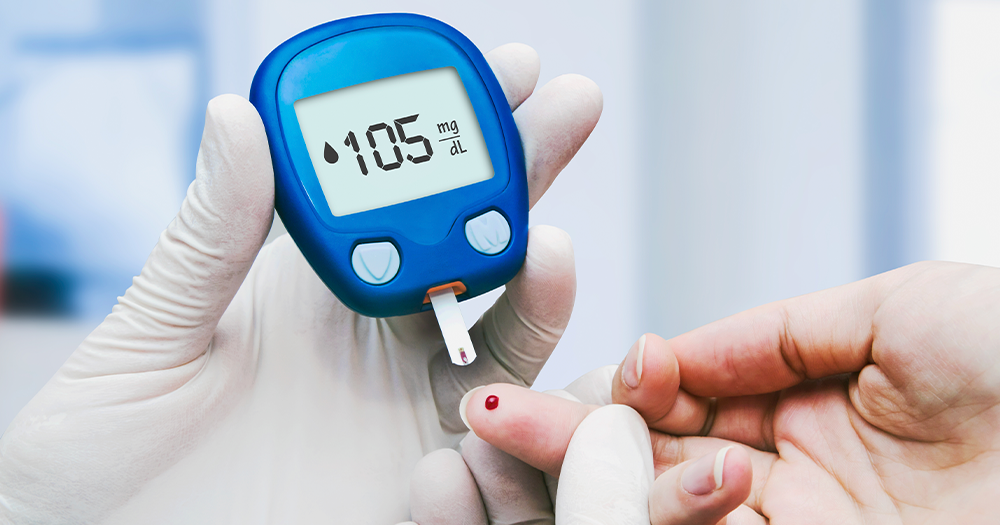
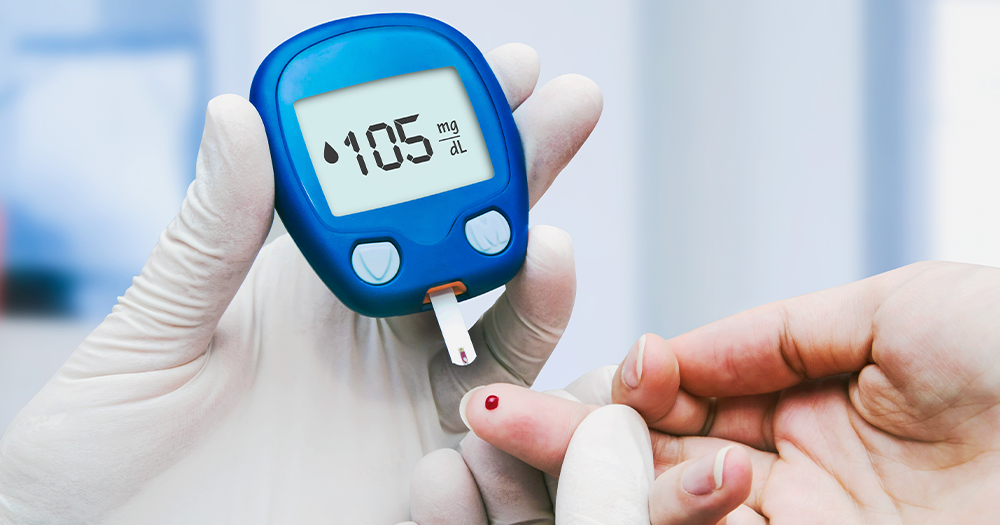
Traditionally, cardiovascular risk assessment relies on factors such as blood pressure, cholesterol levels, diabetes status, smoking history, family history, and body weight. While these clinical markers remain essential, they estimate an individual’s likelihood of developing heart disease rather than directly assessing whether coronary artery disease is already present. Advances in cardiac imaging now make it possible to detect early structural changes within the heart and coronary vessels, offering a more comprehensive understanding of an individual’s cardiovascular health.
What is CAC?
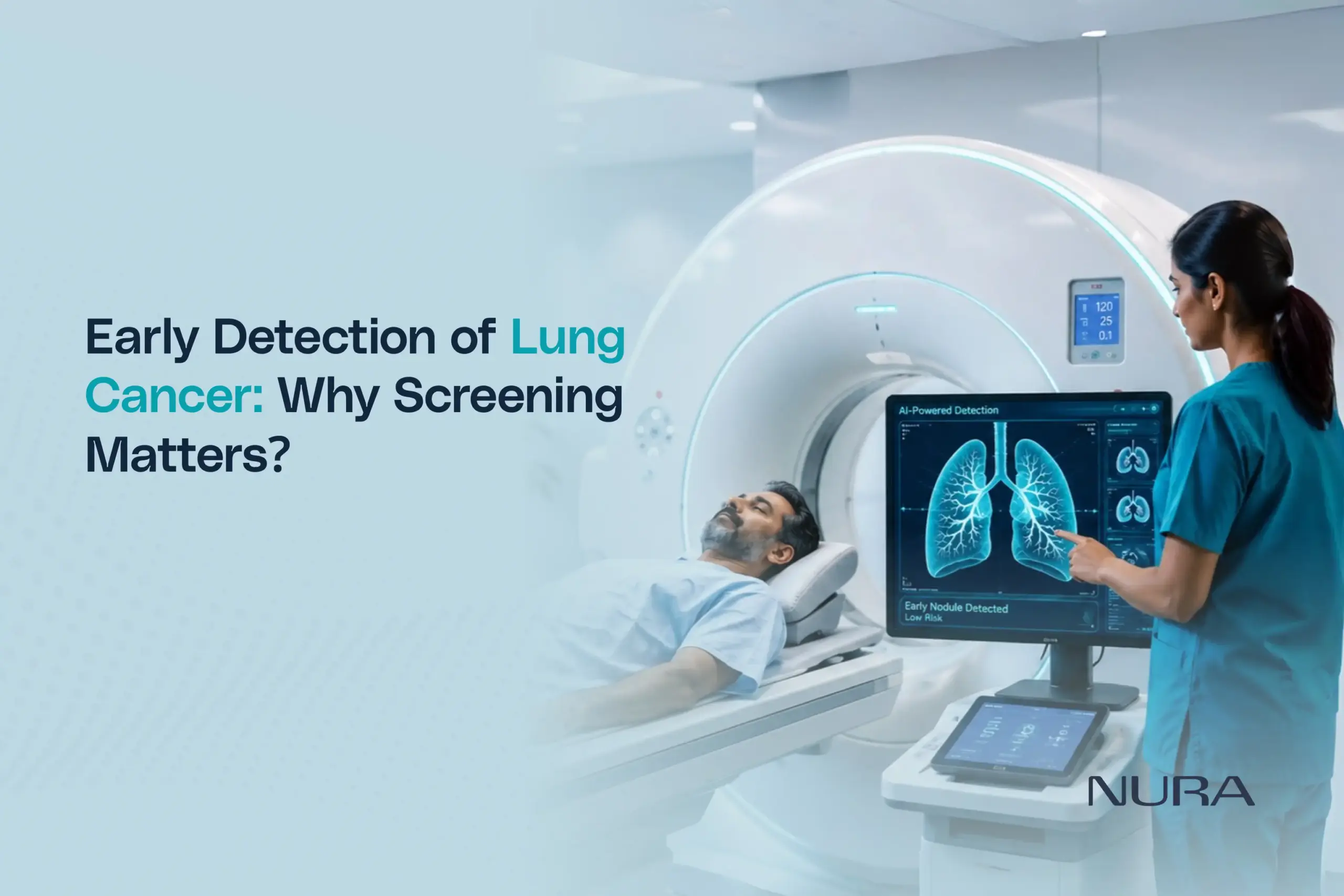
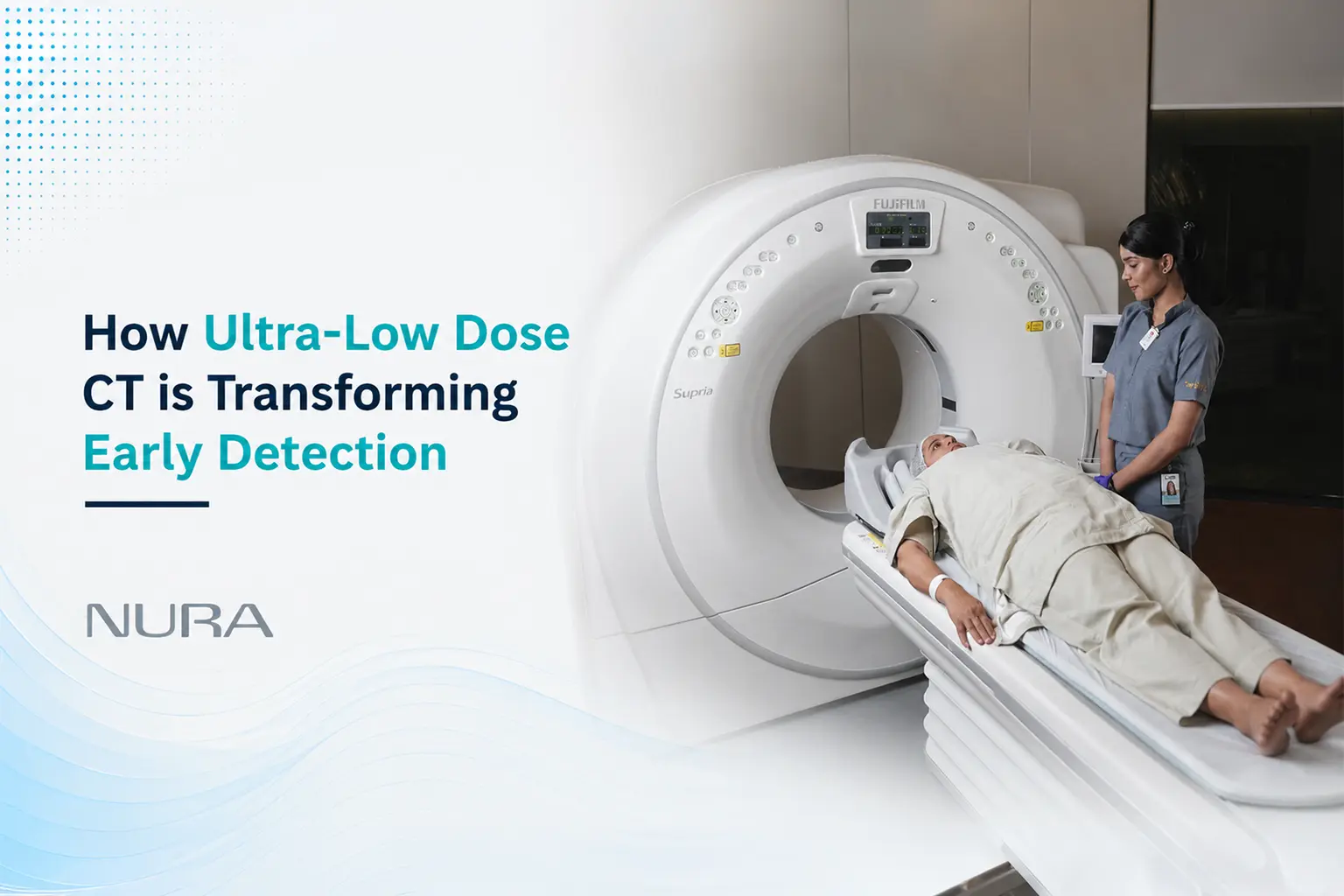
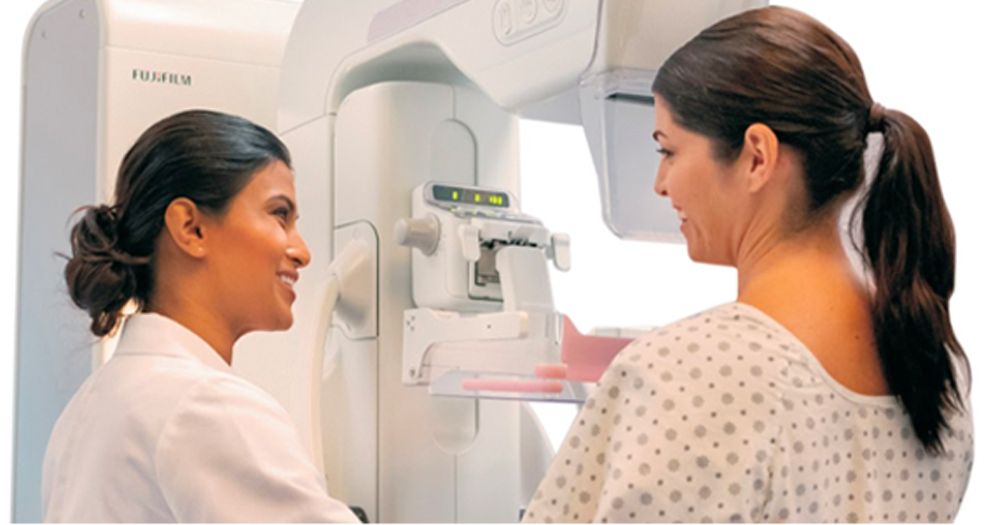
Among these advances, Coronary Artery Calcium (CAC) scoring has emerged as one of the most well-established imaging tools for evaluating coronary artery disease risk. Performed using an Ultra-low-dose CT scan, the test measures the amount of calcified plaque present within the coronary arteries. Calcification develops as a consequence of atherosclerosis, the gradual build-up of plaque that narrows the arteries and restricts blood flow to the heart muscle.
The CAC score provides an objective measure of plaque burden. In general, higher calcium scores indicate a greater degree of coronary atherosclerosis and a correspondingly higher risk of future cardiovascular events, including heart attacks. Conversely, a CAC score of zero is generally reassuring in appropriately selected individuals, suggesting a very low likelihood of significant calcified plaque. However, it is important to recognise that a zero score does not entirely exclude the presence of non-calcified plaque, particularly in younger individuals or those with strong cardiovascular risk factors. Therefore, CAC scoring should always be interpreted within the context of an individual’s overall clinical profile.
Understanding Epicardial Adipose Tissue
While coronary calcium scoring evaluates the presence of established calcified plaque, another emerging imaging marker offers additional insight into cardiovascular health: the Epicardial Adipose Tissue (EAT).
Epicardial adipose tissue is the layer of fat situated directly between the heart muscle and the outer lining of the heart, closely surrounding the coronary arteries. Under normal physiological conditions, this fat performs several beneficial functions, including providing energy to the heart and protecting the coronary vessels. However, when present in excessive amounts or altered by metabolic dysfunction, EAT becomes biologically active in ways that may promote inflammation and contribute to the development and progression of coronary artery disease.
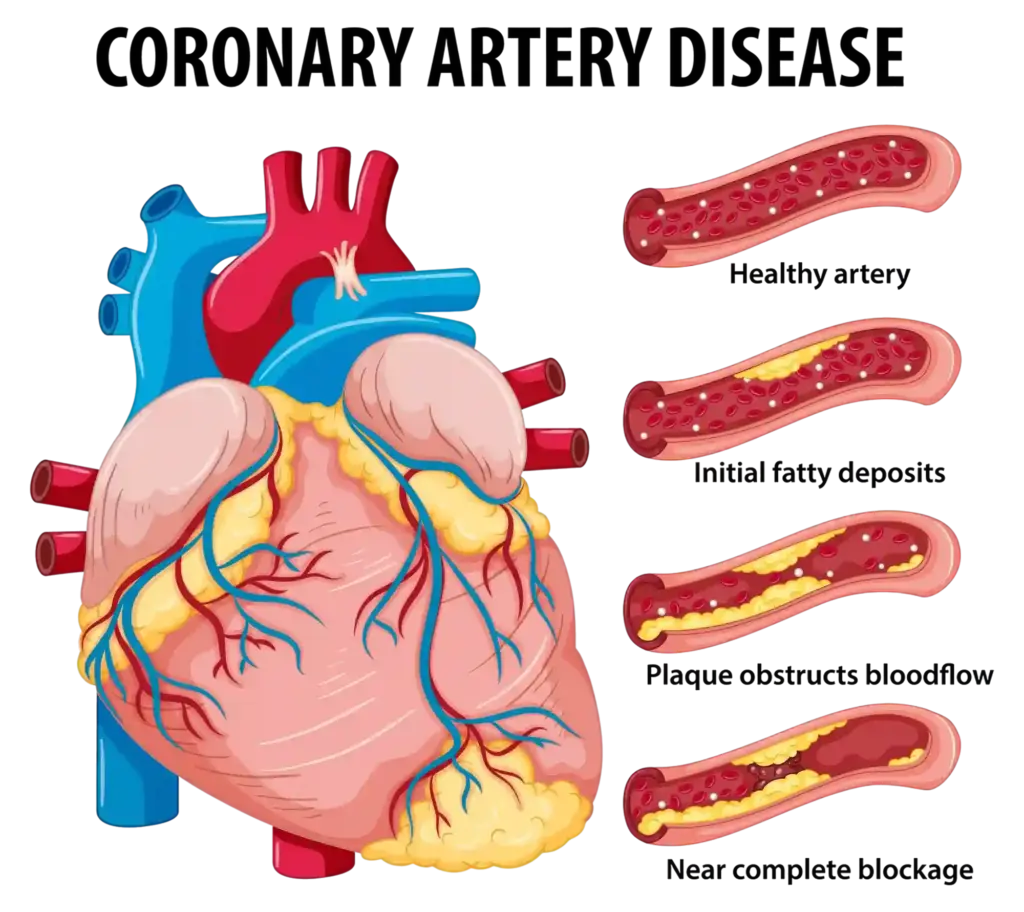
Recent research has demonstrated a significant association between increased EAT volume or thickness and the presence of coronary artery disease. Higher EAT measurements have also been linked to greater plaque burden and more severe coronary artery narrowing. Unlike conventional measures of body fat such as Body Mass Index (BMI), EAT reflects fat located specifically around the heart, making it a potentially valuable marker of local cardiovascular risk. Although its role in routine clinical practice continues to evolve, growing evidence suggests that EAT assessment may complement established cardiovascular risk assessment strategies by identifying individuals with an inflammatory environment surrounding the coronary arteries.
Importantly, CAC and EAT provide different but complementary information. CAC reflects the cumulative burden of calcified plaque that has already developed within the coronary arteries, whereas EAT offers insight into the metabolic and inflammatory environment that may contribute to future plaque formation and progression. Evaluating both markers together allows for a broader understanding of cardiovascular health than conventional risk factors alone.
Comprehensive AI-Powered Approach to Cardiovascular Risk Assessment
At NURA, these advanced imaging biomarkers form part of a comprehensive, AI-powered preventive health screening programme. Using Ultra-low-dose CT imaging supported by artificial intelligence and reviewed by radiologists, NURA evaluates CAC scores alongside EAT measurements as part of a holistic cardiovascular assessment. These findings are then interpreted together with blood pressure measurements, blood investigations, medical history, lifestyle factors, and other established cardiovascular risk indicators to create a more personalised understanding of an individual’s heart health. Individuals seeking a comprehensive heart health checkup in Bangalore, Hyderabad, Calicut, Chennai, Mumbai, or Gurugram can benefit from NURA’s advanced screening approach, which combines the best imaging technology with expert clinical evaluation to support early detection and proactive heart care.
Why Early Detection Matters
The objective of this integrated approach is not merely to identify existing disease, but to detect early warning signs before symptoms appear. Early identification enables individuals and their healthcare providers to implement evidence-based interventions, including lifestyle modification, improved management of cardiovascular risk factors, and appropriate medical treatment where necessary. Such preventive strategies have the potential to significantly reduce the likelihood of future cardiovascular events.


Empowering Better Heart Health Through Preventive Screening
As coronary artery disease continues to affect younger populations with increasing frequency, preventive screening is becoming an increasingly important component of modern healthcare. While no single investigation can predict every cardiac event, combining established markers such as coronary artery calcium scoring with emerging indicators like epicardial adipose tissue provides a more comprehensive assessment of cardiovascular risk. By integrating advanced imaging with AI-assisted analysis and physician expertise, NURA empowers individuals with meaningful insights into their heart health, enabling informed decisions that support long-term cardiovascular well-being before symptoms have the opportunity to develop.