Metabolic health is a key component of good overall health, but this term is always mentioned in association with weight or metabolism. However, this concept refers to several related processes aimed at regulating blood sugar, blood pressure, cholesterol, and body composition.

Understanding about what is metabolic health will help you identify why these components are crucial for your health and why regular health check-ups are so important.
What Does Metabolism Mean?
When you have asked yourself, what does metabolism mean, then the answer is that metabolism involves the chemical reactions that convert food into energy and use that energy to perform various tasks.
Metabolism involves continuous requirement of energy for breathing, body temperature regulation, circulation, movement, and cell repair.
Some of the major factors affecting metabolism include age, body size, body structure, physical activities, and genes. Hence, it is much more complicated than “burning calories.”
What is metabolic health?
Well, what is metabolic health? There is no one measurement that determines metabolic health. Metabolic health is assessed based on various parameters such as blood glucose, blood pressure, blood lipids, and body composition.
This can offer some important information regarding cardiometabolic risk. It must be noted here that an individual’s metabolic health cannot always be gauged from his physical appearance or weight.
What Are the Key Indicators of Metabolic Health?
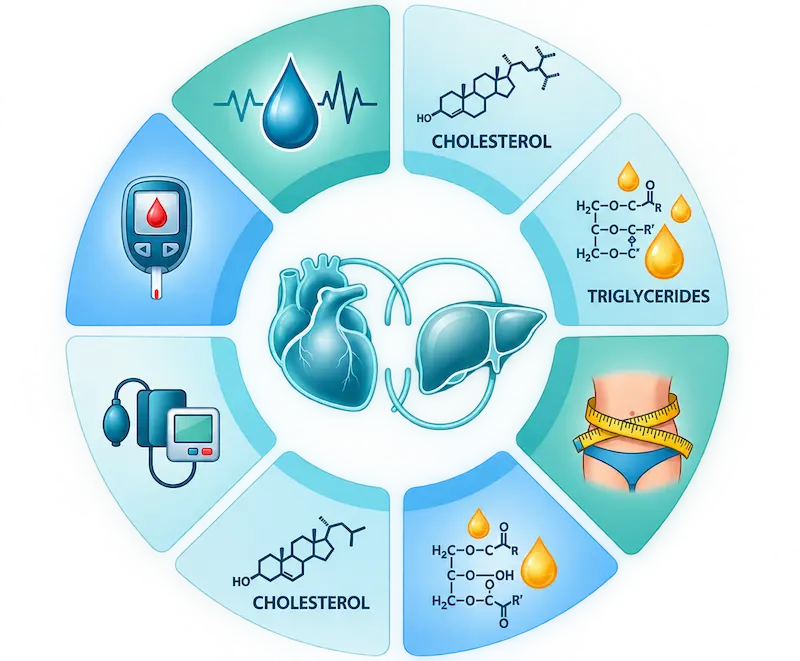
There are a number of ways that one can assess their metabolic health. Some of the options that are considered for metabolic health can include blood sugar or HbA1c, blood pressure, cholesterol, and triglycerides, body composition, and even belly or visceral fat.
Depending on an individual’s age, medical history and risk factors, healthcare professionals may also consider liver and kidney health. Analyzing various indicators would give a more comprehensive picture than just using one indicator.
Blood Sugar
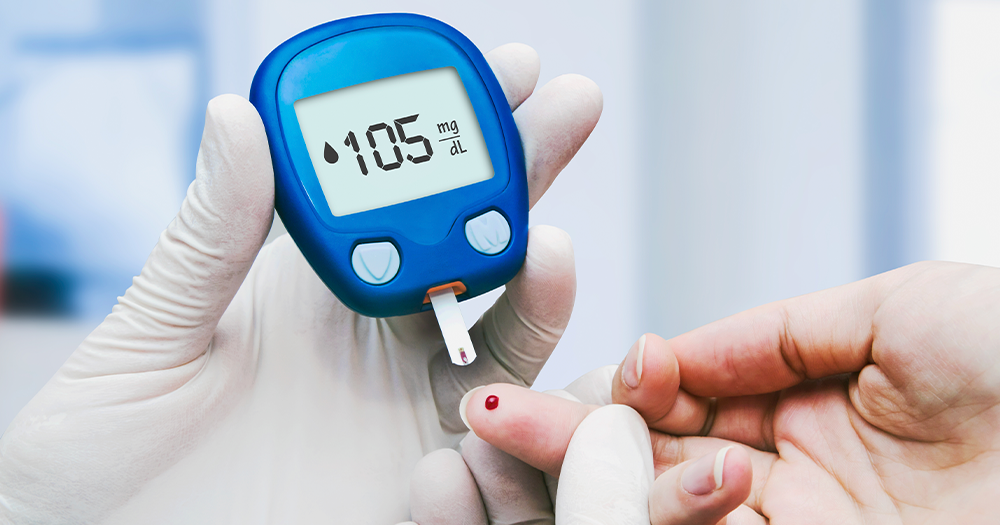
The blood glucose level is an important indicator of metabolic health. High levels of glucose can indicate prediabetes or diabetes, and pose a risk for the development of various disorders.
Another commonly used test is HbA1c which is indicative of the average blood glucose levels during the past two-three months. These results can be discussed by a medical practitioner based on a patient’s general health condition.
Blood Pressure
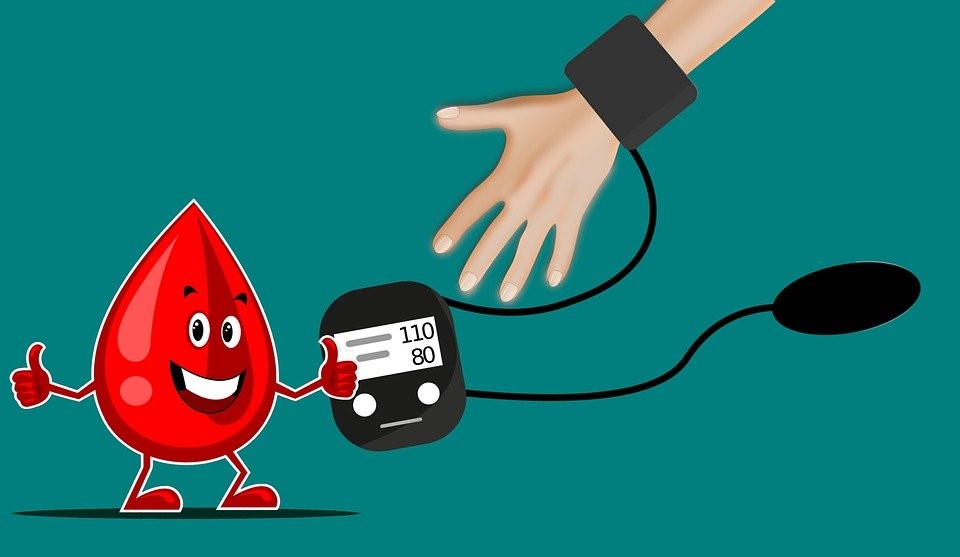
Blood pressure is another significant component of metabolic and cardiovascular health. Persistently high blood pressure can place additional strain on the heart and blood vessels and is an established risk factor for cardiovascular disease.
Because high blood pressure may not cause any visible symptoms, measuring it regularly can be an important part of preventive healthcare.
Cholesterol and Triglycerides
Cholesterol and triglycerides are two forms of lipids contained in the blood. Excess levels of some forms of blood lipids may increase one’s cardiovascular risk.
Blood lipid testing will be helpful for physicians when assessing these measures, among others, instead of looking at cholesterol levels only.
Body Composition and Visceral Fat
Body weight alone will not tell you what proportion of your body consists of fat, muscle, and other components. Assessment of body composition may thus reveal more than mere weight measured on a scale.
Visceral fat, which is the fat stored around organs, is especially interesting to note since elevated levels increase the risks of metabolism and heart diseases.
Why Does Metabolic Health Matter?
Metabolic health is crucial due to the possibility of changes in significant health indicators that may take place slowly and sometimes go unnoticed by the body, as there might be no symptoms. The levels of blood glucose, blood pressure, blood lipids, and body composition can change in a gradual manner without one feeling sick.
Recognizing changes early gives one a chance to address them through a discussion on ways to manage them with the help of a medical specialist.
How Can You Support Metabolic Health?

Supporting metabolic health generally involves maintaining healthy lifestyle habits over time. There is no specific food, form of exercise, or supplement that will provide good metabolic health.
A combination of proper nutrition, physical exercise, sufficient sleep, and proper health monitoring can be beneficial for general well-being and reduce the number of cardiometabolic risk factors.
Maintain a Balanced Diet
A balanced diet can include vegetables, fruits, whole grains, pulses and legumes, nuts, and adequate proteins. Restricting excess consumption of sugars, unhealthy fats, and sodium can further help to maintain a balanced diet.
Everyone’s nutrition requirements differ based on their existing medical history. A personal dietary recommendation by a healthcare expert can be helpful.
Physical Activity
Regular physical activity supports cardiovascular fitness, muscle health and energy balance. For adults, the World Health Organization recommends at least 150–300 minutes of moderate-intensity aerobic physical activity per week, or an equivalent amount of vigorous activity.
Muscle strengthening exercises can also be a part of a healthy routine. The right quantity and intensity of exercises can depend on one’s age, health condition, and overall fitness level.
Prioritize Sleep
Sleep is one of the elements that plays a significant role in your general wellbeing. Sleep has been identified as one of the ways to evaluate cardiovascular health. It is possible to develop healthy habits related to sleep and having a proper sleep routine.
It is necessary to remember about the age-related sleep needs and take into consideration individual peculiarities.
Monitor Your Health
Regular monitoring will allow you to learn more about your health parameters. The values of blood pressure, blood sugar levels, HbA1c, total cholesterol, and body composition may be valuable to know.
The frequency and type of screening should depend on individual risk factors and healthcare advice rather than following the same testing schedule for everyone.
How Can Preventive Screening Help?
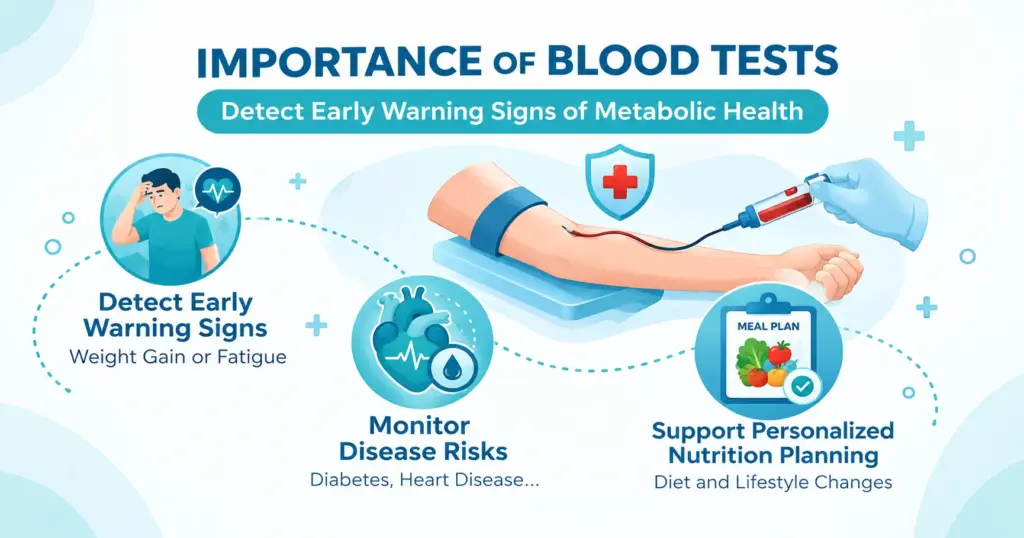
Many metabolic risk factors can exist without obvious symptoms. Preventive screening can provide objective measurements that help individuals and healthcare professionals understand their current health profile.
At NURA, metabolic health assessment is part of preventive healthcare approach, with advanced health checkup in Hyderabad, Bengaluru, Mumbai, Gurugram, Calicut and Chennai. A comprehensive assessment may consider factors such as body composition, visceral fat, blood pressure, blood glucose markers such as HbA1c, lipid profile, and liver and kidney function, alongside a consultation with a healthcare professional.


The purpose of metabolic health assessment is not simply to measure weight or metabolism. Instead, it brings together relevant health information to help identify potential risk factors and provide a more complete picture of an individual’s metabolic health. These findings can then be discussed with a healthcare professional to determine whether further evaluation or appropriate lifestyle changes may be needed.
Understanding what does metabolism mean and what is faster metabolism can help separate the science of metabolism from common ideas about simply “burning calories quickly.” A fast metabolism alone does not define good metabolic health.
Taking a preventive approach can help you understand important health indicators before problems become more apparent. Healthy eating, regular physical activity, adequate sleep and appropriate health screening can all form part of a long-term approach to maintain overall and metabolic health.

welcome