Understanding Chennai’s Changing Lifestyle
Chennai is a city where professional opportunities, technology, education, and urban development keep shaping our lives. Nevertheless, amidst all these changes, more and more people spend a lot of time being inactive. Working long hours, being stuck in traffic jams, playing computer games and having everything done through the Internet can mean that one is physically inactive more often.
The changing lifestyle of Chennai residents is not necessarily linked with deteriorated health. Nevertheless, if convenience and professional obligations replace physical activities regularly, the chances of developing a range of lifestyle-related diseases might increase.
Why Is Sedentary Behaviour Increasing in Chennai?
Modern urban living can make physical inactivity an easy habit to develop. Several everyday factors may contribute to sedentary behaviour.
Desk-Based Jobs and Long Working Hours
Most of the professionals in Chennai are employed in IT firms, corporate offices, financial organizations, and many other office jobs. For these jobs, the employees need to stay seated when attending meetings, replying to emails, and working on computers.
If one stays seated for many hours without moving, there is less energy expenditure in a day. Even those who exercise from time to time can get help by minimizing their sitting time.
Traffic Congestion and Daily Commuting
Commuting is another important part of urban life. Long journeys by car, bus or other motorised transport can increase the time spent sitting, leaving less time for walking, exercise or recreational activities.
Increased Screen Time
The use of smartphones, laptops, streaming services, and other online forms of entertainment has affected the way people both work and entertain themselves. While the use of technology has brought numerous advantages, constant use of technology for entertainment leaves little room for walking, bicycling, and physical activity in general.
Limited Time for Exercise
A busy lifestyle, family responsibilities, tiredness, and the need to meet work deadlines could make exercise hard. In the long run, one could develop a habit of avoiding exercise altogether.
These factors are not necessarily applicable to all individuals. Nevertheless, it would be important to consider the impact that daily behaviors have on movement.
What Are the Health Risks of a Sedentary Lifestyle?
Prolonged sitting and insufficient physical activity are associated with several health concerns. The World Health Organization (WHO) recommends limiting sedentary time and replacing it with physical activity of any intensity, including light activity.
Weight Gain and Obesity
One of the major effects of living a sedentary life is the increased likelihood of gaining unhealthy weight.
If one uses less energy than they take in all the time, the excess energy will be stored in their body in the form of fat tissue. The extra body fat and especially its accumulation in the abdominal area leads to increased risks of metabolism disorders.
Increased Risk of Type 2 Diabetes
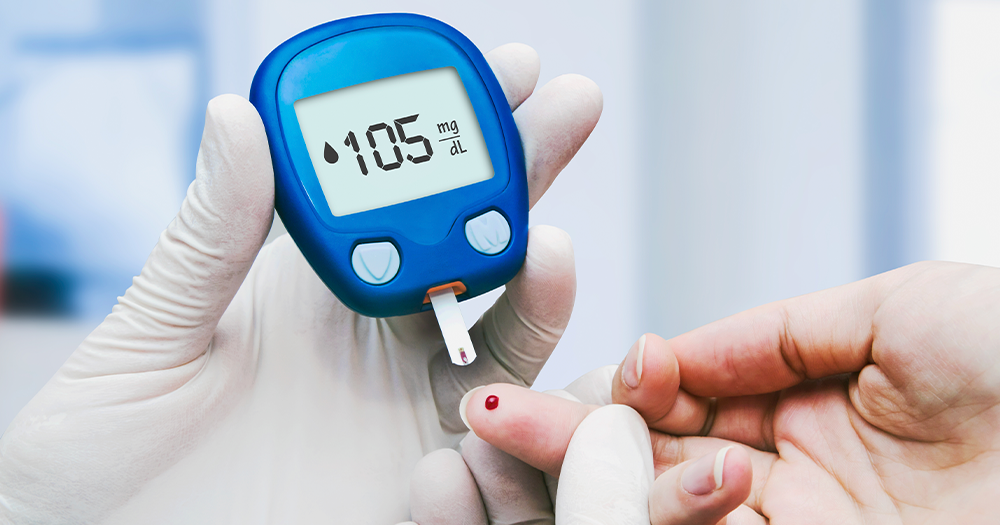
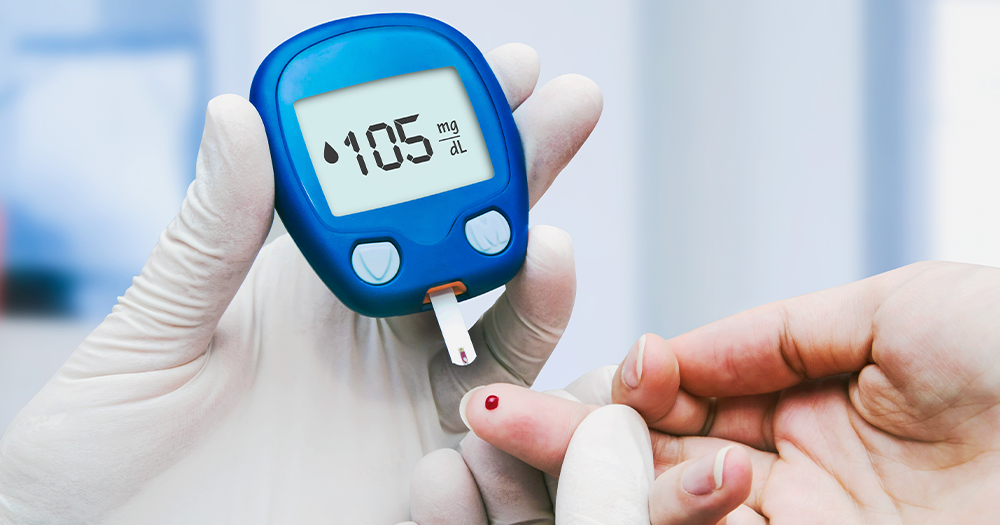
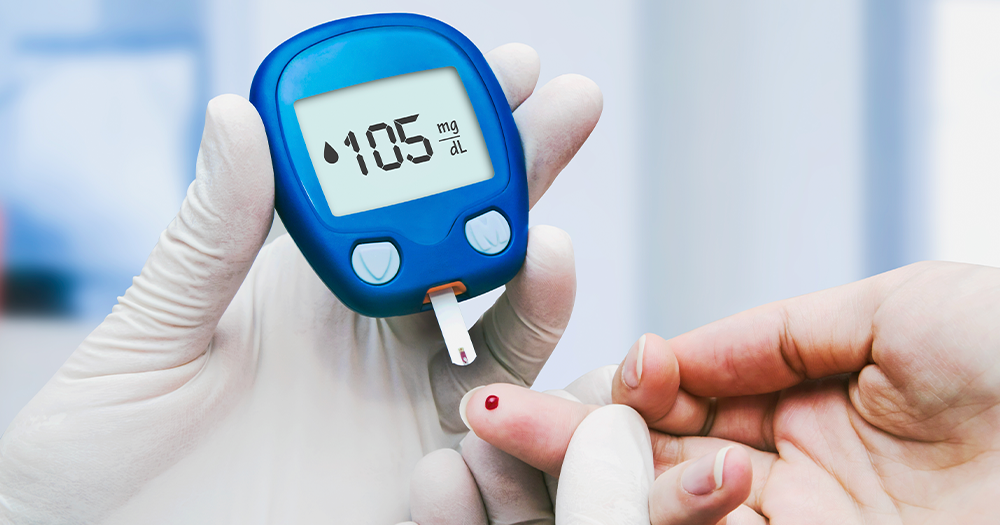
Physical inactivity may influence the regulation of blood glucose in the body. In case of a sedentary lifestyle, there may be a decrease in insulin sensitivity, especially in those individuals who are already at risk due to some factors such as obesity and a family history of diabetes/prediabetes. Type 2 diabetes can slowly develop over many years and not show any signs until it progresses further. Some patients may face the symptoms of excessive thirst, increased urination, fatigue, blurred vision or not feel any symptoms at all.
Cardiovascular Health Problems
Sedentary behaviour that persists over long periods, along with low physical activity levels, is linked to increased risk of developing cardiovascular disease. A lack of movement may contribute to an unfavourable metabolic profile, including increased abdominal fat, elevated blood pressure and unhealthy cholesterol levels. Over time, these factors can contribute to conditions such as coronary heart disease and stroke.
Muscle Weakness, Joint Discomfort and Back Pain
The musculoskeletal system also needs regular movement. Remaining seated for extended periods may contribute to stiffness, muscle deconditioning and discomfort, particularly around the neck, shoulders, lower back and hips.
A sedentary routine does not cause every case of back pain or joint disease. Nevertheless, regular movement, appropriate strengthening exercises and a well-adjusted workstation can help reduce discomfort associated with prolonged sitting.
If pain persists, worsens or interferes with everyday activities, seek medical advice rather than relying only on stretching or exercise.
Effects on Mental Wellbeing
Physical well-being is just one element in this regard. Inactivity is also related to poor mental well-being, especially if it is combined with too much use of screens, low levels of socialization, insufficient sleep, and little recreational activities.
Being physically active promotes good mood, decreases some of the symptoms of depression and anxiety in some cases, and helps sleep better. Engaging in outdoor walks, participating in some kind of collective activity, and getting away from work are all ways to relax and connect socially.
Maintaining overall health can also support mental well-being. For women, regular preventive assessments such as a Women Health Checkup in Chennai can help address health concerns that may change at different stages of life.
Reduced Fitness and Everyday Energy
Where there is a consistent lack of exercise, there will likely be a reduction in cardiovascular stamina and muscle strength. Simple actions, such as climbing stairs, walking farther distances or carrying groceries, will become more challenging.
Fatigue resulting from a lack of good sleep, stress, or a long period of work may also affect some individuals. While fatigue is a symptom that has several potential causes, exercise will contribute toward increasing one’s fitness level. Men who spend long hours sitting and have other lifestyle-related risk factors may also benefit from appropriate preventive assessments, such as a Men Health Checkup in Chennai, based on their age, health history and individual needs.
How Much Physical Activity Do Adults Need?
According to WHO guidelines, adults should aim for:
- 150–300 minutes of moderate-intensity aerobic activity per week, such as brisk walking or cycling.
- Alternatively, 75–150 minutes of vigorous-intensity aerobic activity per week, or an equivalent combination.
- Muscle-strengthening activities involving major muscle groups on at least two days per week.
- Adults should also limit sedentary time and replace sitting with movement whenever possible.
These recommendations are general targets; people with existing health conditions or physical limitations may need an individually tailored plan. Importantly, exercise does not have to happen in a gym. Walking, cycling, dancing, active household chores and other forms of movement can contribute to weekly activity levels.
Practical Ways to Stay Active in Chennai
Adopting a more active lifestyle does not require a complete change in routine. Small, realistic adjustments can make movement easier to maintain.
Break Up Long Periods of Sitting
Remind yourself to stand up and stretch or walk for a few moments every 30 to 60 minutes. The precise time period is just a practical suggestion and not a medically mandated requirement. While on work-related phone calls, you may want to stand or walk when appropriate.
Make Walking Part of Your Daily Routine
Go for a short walk before you start your work, during your lunch break or even after your dinner. Whenever it is safe, use walking to do some errands or even take the stairs instead of lifts. As Chennai might have hot and humid weather, try taking your walks during cool hours and carry water with you.
Create a More Active Workstation
Adjust your chair, desk and screen to support a comfortable posture. Alternate between sitting and standing when possible, and include short movement breaks throughout the workday. A standing desk is not a substitute for physical activity. The aim is to vary posture and move regularly.
Plan Exercise Around Your Schedule
Schedule physical activity as you would an important appointment. Start with manageable sessions and increase duration or intensity gradually. If finding 30 minutes at once is difficult, shorter sessions spread throughout the day can still contribute to your overall activity levels.
Reduce Recreational Screen Time
Set limits on non-essential screen use, particularly during periods that would otherwise be available for movement or sleep. Replace some sedentary leisure activities with walking, gardening, dancing or an outdoor hobby.
Combine Movement With Social Activities
Walking with family, joining a fitness group or playing a sport with friends can make exercise more enjoyable. Choosing activities that fit your interests and physical abilities can improve consistency.
Can Preventive Health Screening Help Identify Lifestyle-Related Risks?
Lifestyle changes are indeed necessary, yet they are not the entire process of preventive health care. There are some diseases connected to physical inactivity, like hypertension, irregular blood lipids and type 2 diabetes which could develop even without symptoms.
Preventive health assessment can be useful for detecting any risk factors and having a discussion with health care provider regarding further steps. For those looking for a broader assessment of their overall health, a Full Body Checkup Chennai can bring together different health evaluations based on individual health needs and risk factors.
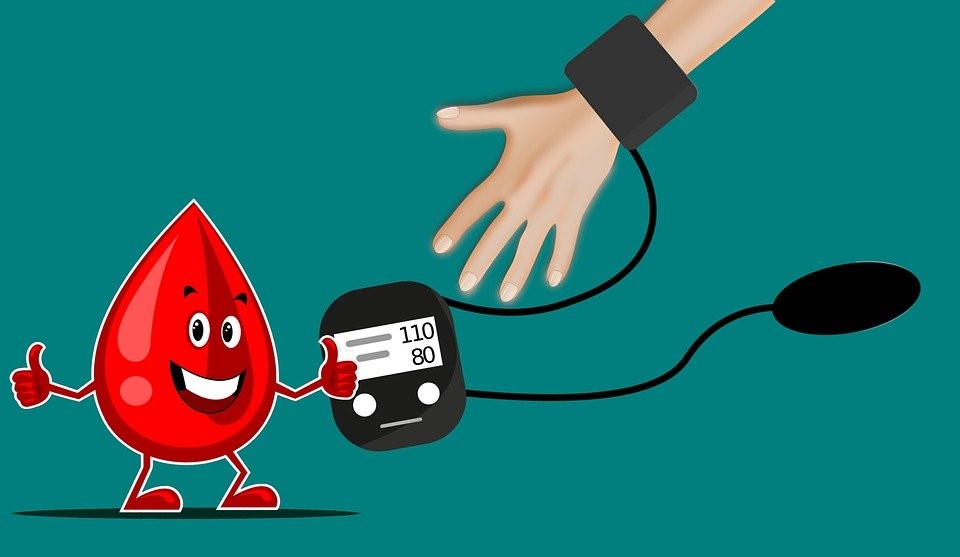
Depending on age, personal and family history and risks, such an assessment could involve measuring blood pressure, blood glucose levels, lipid profile and other clinically appropriate tests.
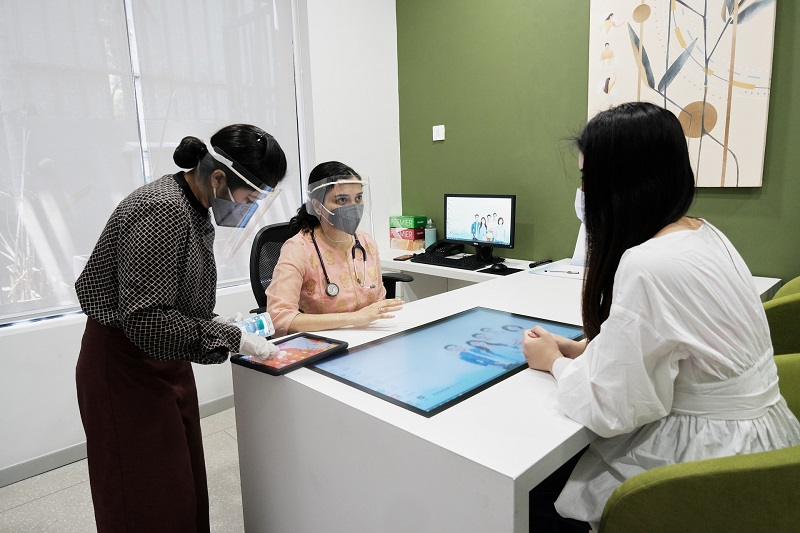
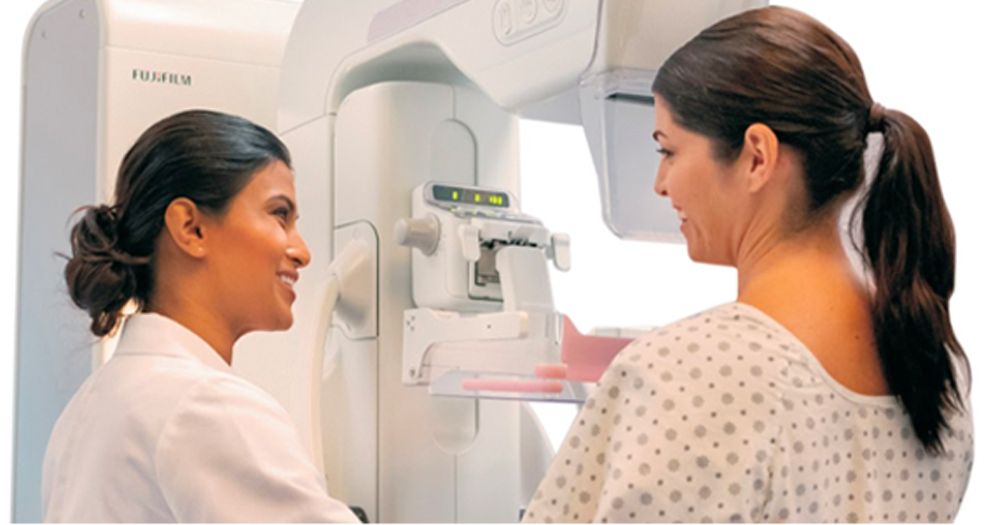
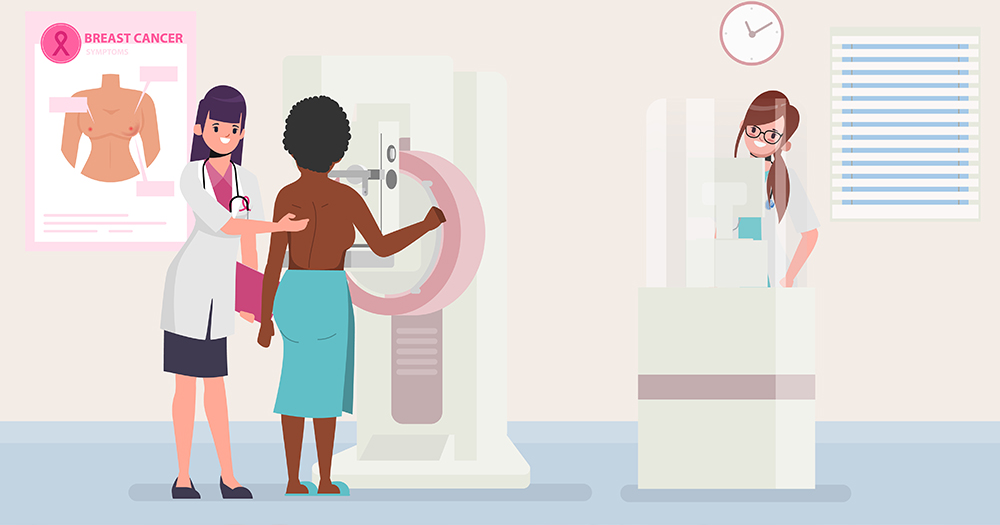
At NURA, preventive health screening combines medical imaging, relevant health assessments and doctor consultation to help individuals understand potential health risks and make informed decisions about follow-up care. The appropriate screening package depends on individual needs, and screening does not replace clinical evaluation or guarantee that every condition will be detected.
People with existing symptoms or diagnosed conditions should consult their healthcare professional for personalized advice.