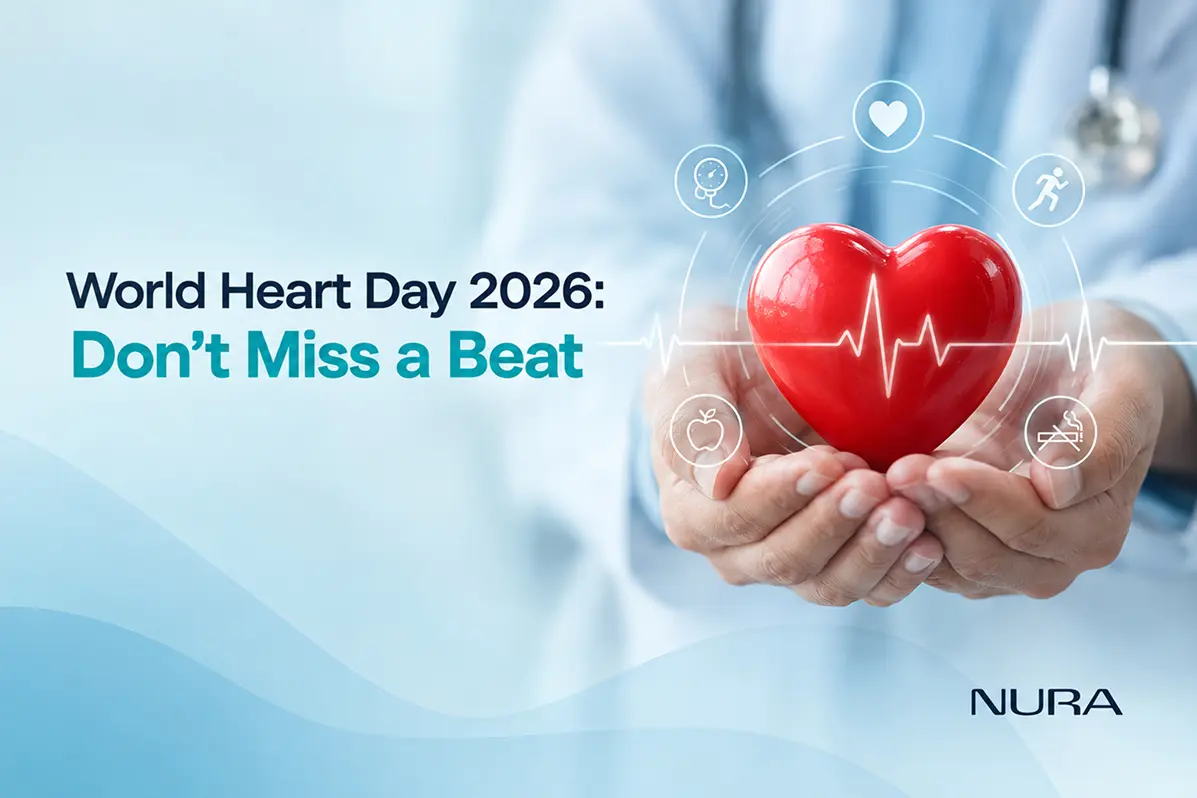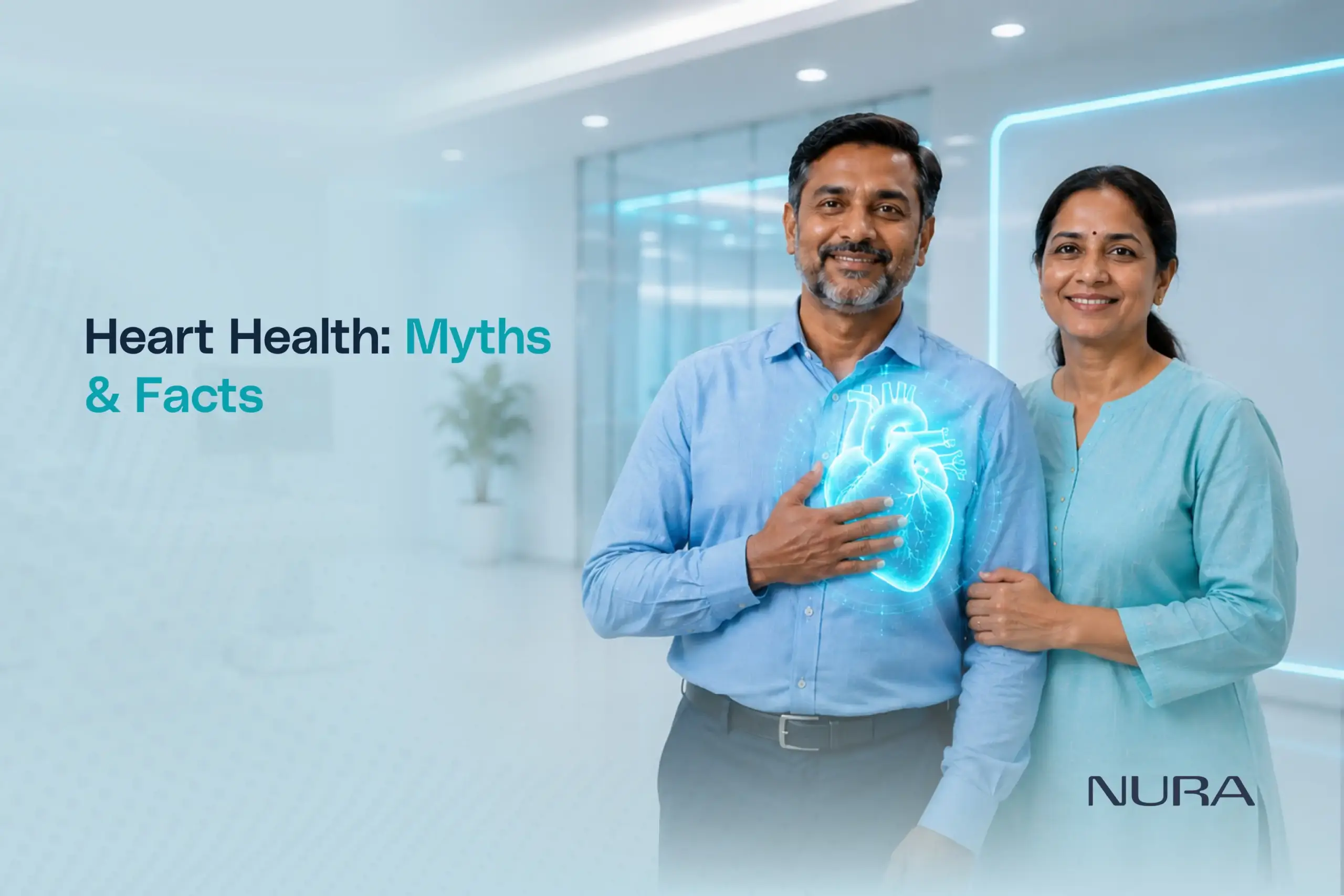
Heart health is often associated with age, family history or visible symptoms. However, cardiovascular disease can develop quietly, sometimes long before a person notices anything is wrong. Today, heart disease remains one of the most significant health concerns worldwide. According to the World Health Organization, cardiovascular diseases caused an estimated 19.8 million deaths in 2022, accounting for around 32% of all deaths globally. Importantly, more than three-quarters of these deaths occurred in low- and middle-income countries.
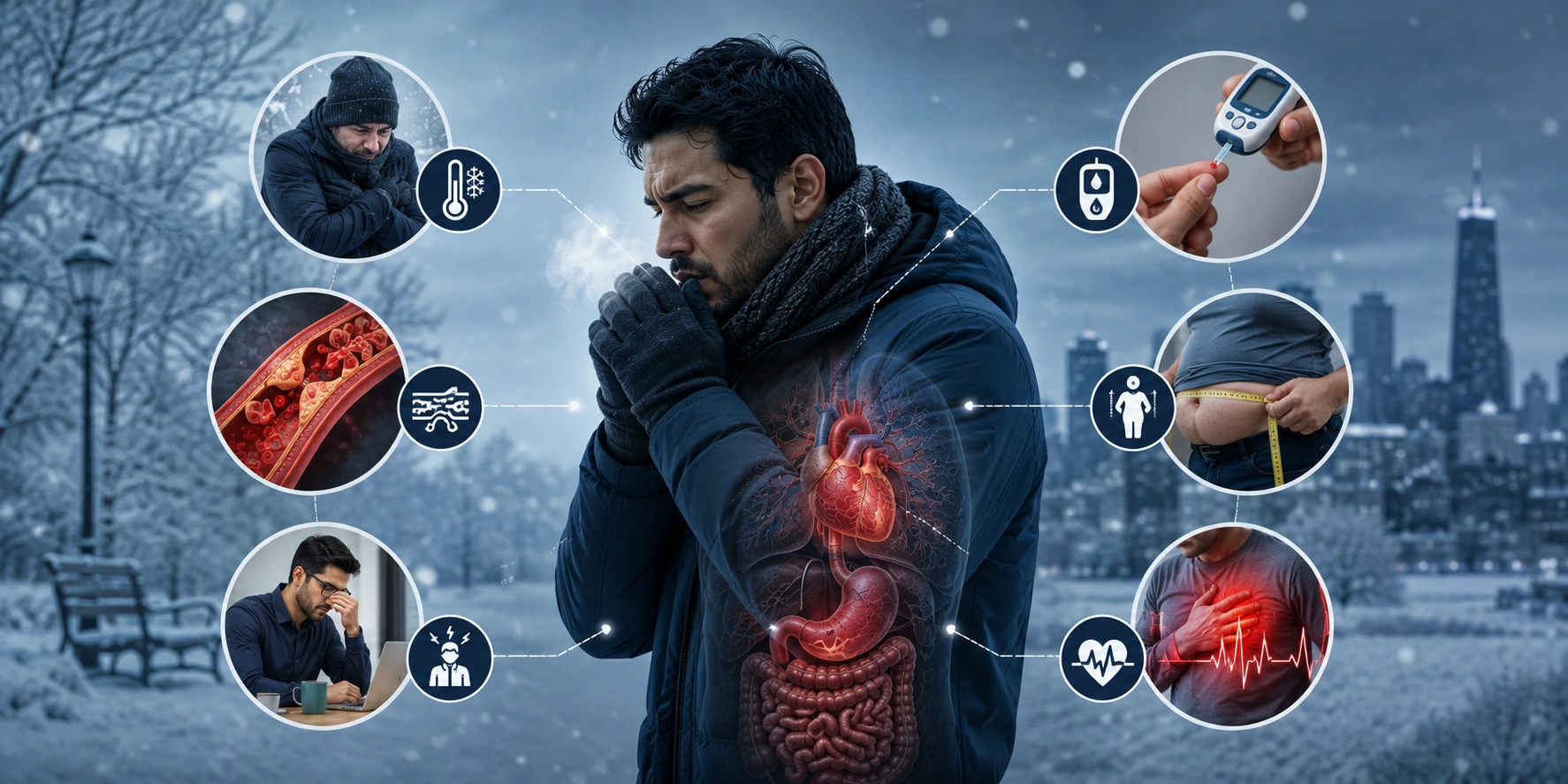
While factors such as an unhealthy diet, physical inactivity, tobacco use, obesity, high blood pressure and diabetes can increase cardiovascular risk, there are also several misconceptions surrounding heart health. Separating fact from fiction is an important part of understanding and protecting your heart.
Myth 1: Heart disease only affects older people
Fact: Age is a risk factor, but heart disease is not exclusively an illness of old age. Risk factors such as obesity, high cholesterol, diabetes, high blood pressure, and sedentary lifestyles can develop much earlier. The American Heart Association notes that the processes leading to coronary artery disease can begin early in life.
This makes adopting healthy habits early and understanding your individual risk increasingly important.
Myth 2: If I feel healthy, my heart must be healthy
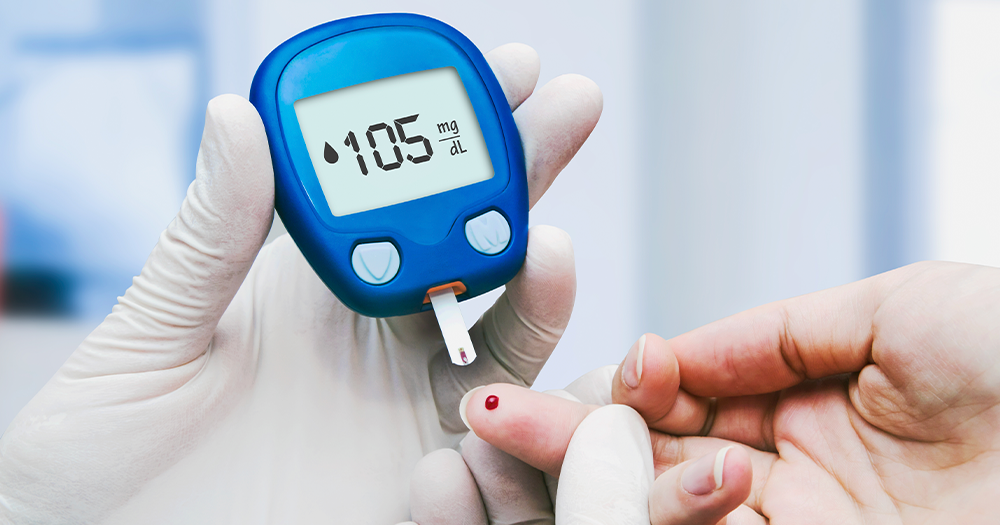
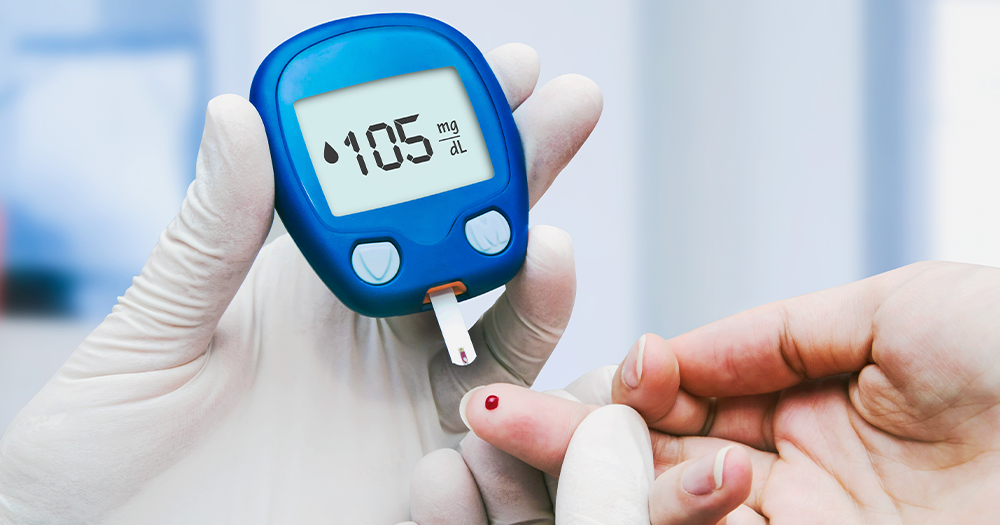
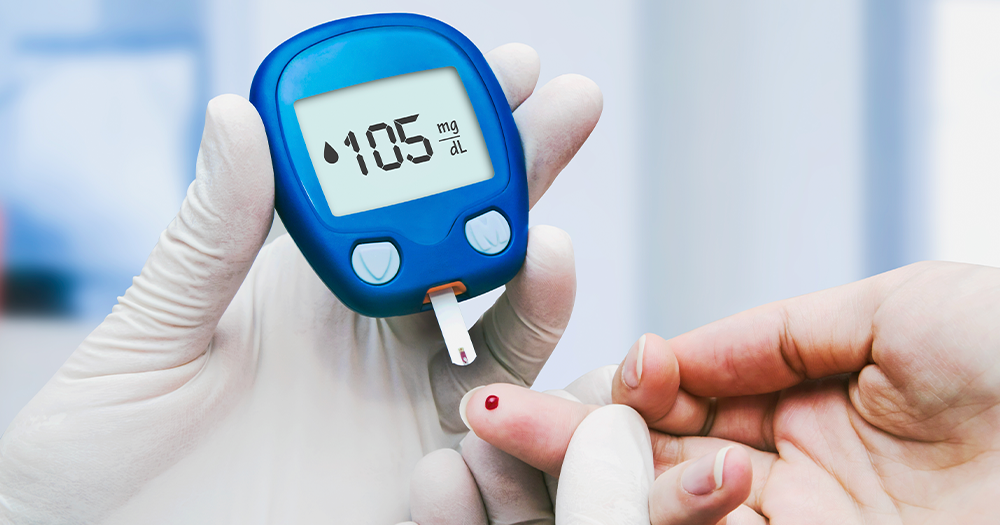
Fact: Some cardiovascular conditions can remain silent for years. High blood pressure and high cholesterol, for example, may not produce noticeable symptoms. By the time symptoms appear, an underlying condition may already have progressed.
Regular health assessments can help identify risk factors before they become more serious.
Myth 3: Thin people do not have to worry about heart disease
Fact: Body weight is only one part of the picture. A person can have an apparently healthy weight and still have high cholesterol, high blood pressure, diabetes, an unhealthy diet or a family history of cardiovascular disease. Heart health depends on several interconnected factors rather than weight alone.
Myth 4: Exercise alone can prevent heart disease
Fact: Regular physical activity is one of the most effective ways to support cardiovascular health, but it is not the only factor that matters. Nutrition, sleep, stress management, blood pressure, blood sugar, cholesterol, tobacco use and genetics can all influence cardiovascular risk.
A healthy heart is supported by a combination of habits rather than a single lifestyle change.
Myth 5: Heart problems always come with obvious chest pain
Fact: Chest pain or pressure is a well-known warning sign, but cardiovascular problems do not always present in the same way. Symptoms can include breathlessness, unusual fatigue, dizziness, nausea or discomfort in other parts of the body. Symptoms can also vary between individuals.
Any new, severe or persistent symptoms should be taken seriously and assessed promptly by a medical professional.
Protecting your heart starts with knowing your risk
Heart health does not require complicated changes overnight. A balanced diet, regular physical activity, adequate sleep, avoiding tobacco, maintaining a healthy weight and keeping blood pressure, blood sugar and cholesterol under control can all contribute to better cardiovascular health. Just as important is being aware of your personal risk factors and undergoing appropriate health checks regularly.
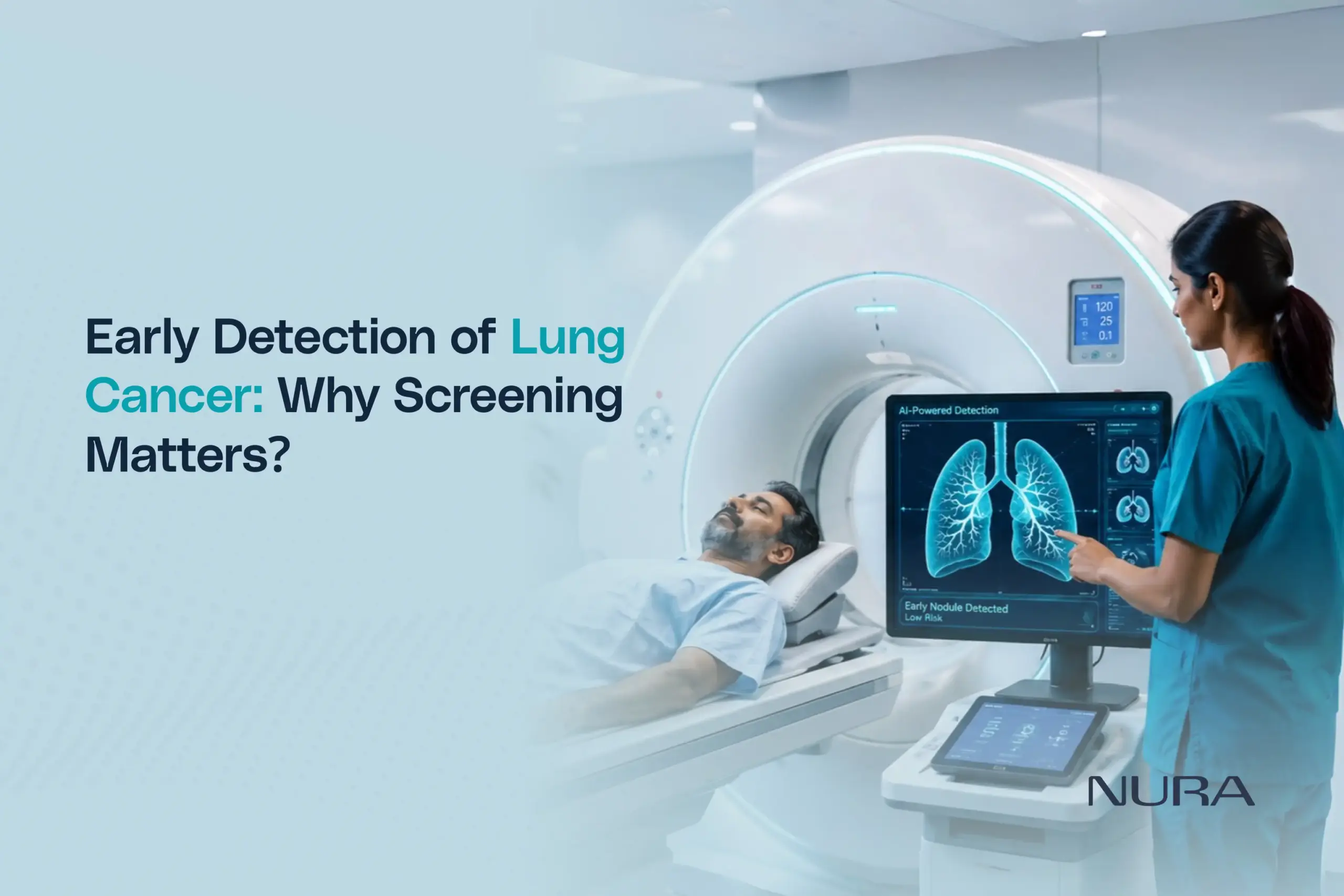
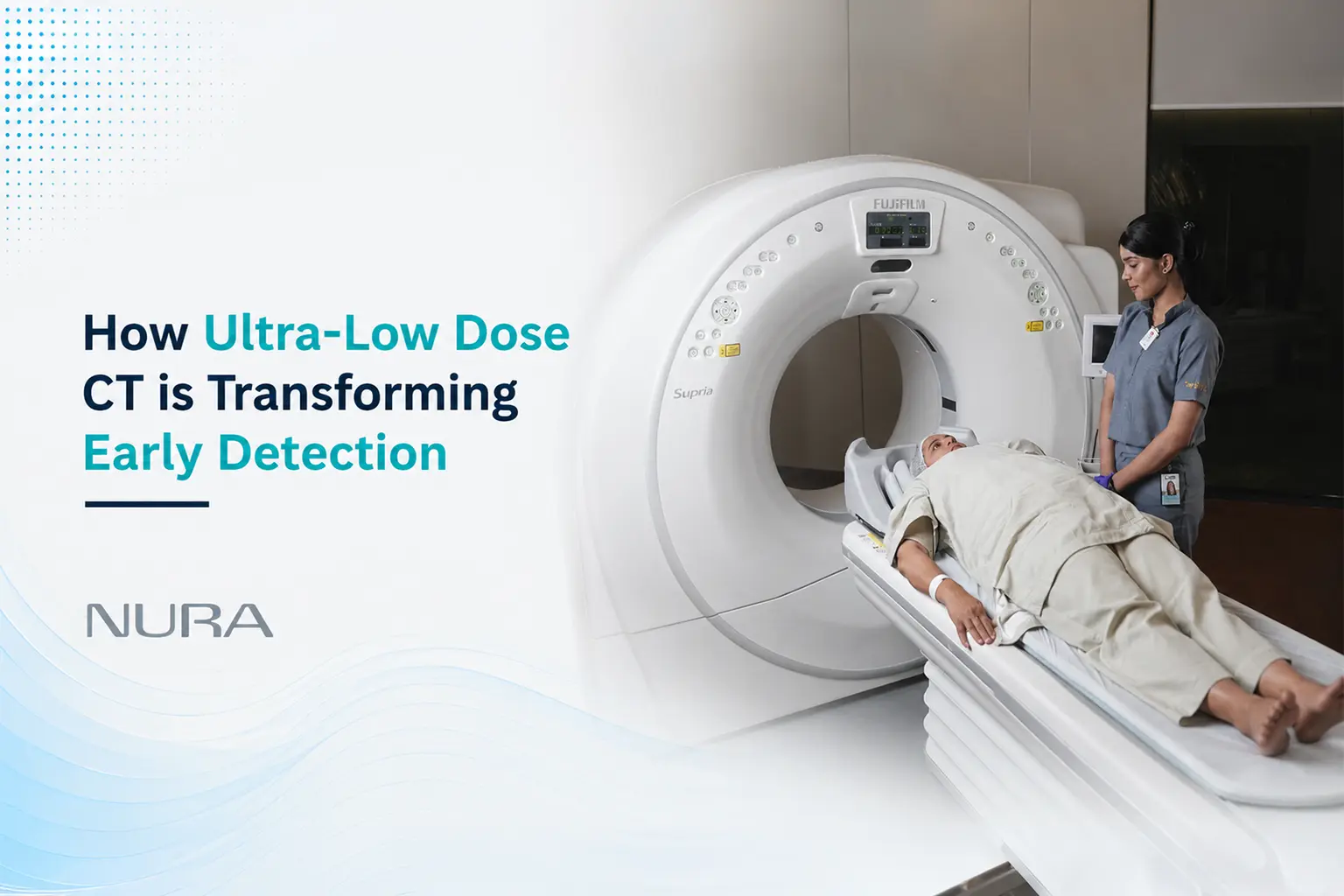
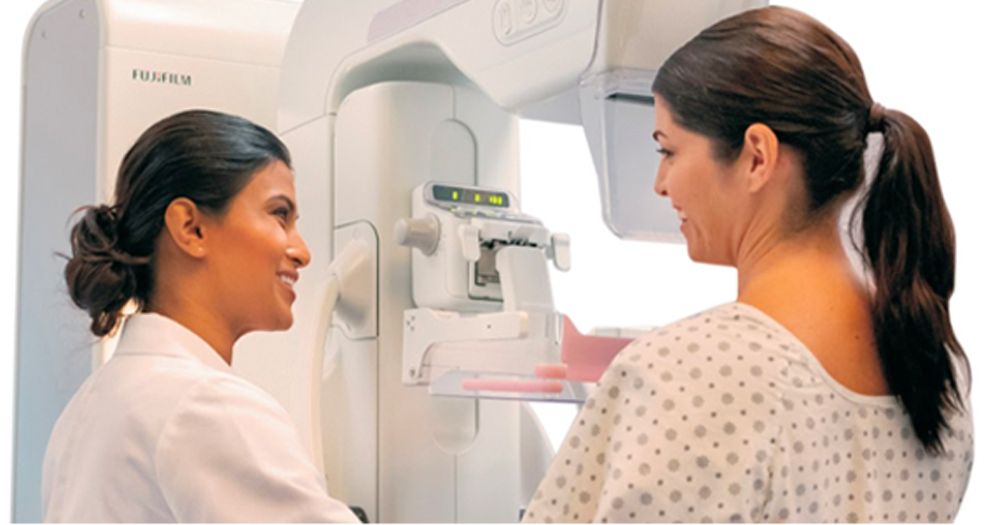
This is where preventive screening can play a valuable role. NURA’s Heart Health Checkup uses Ai-powered ultra-low-dose CT to assess indicators including coronary heart disease. The focused checkup is designed to provide a closer look at these important markers of cardiovascular risk.
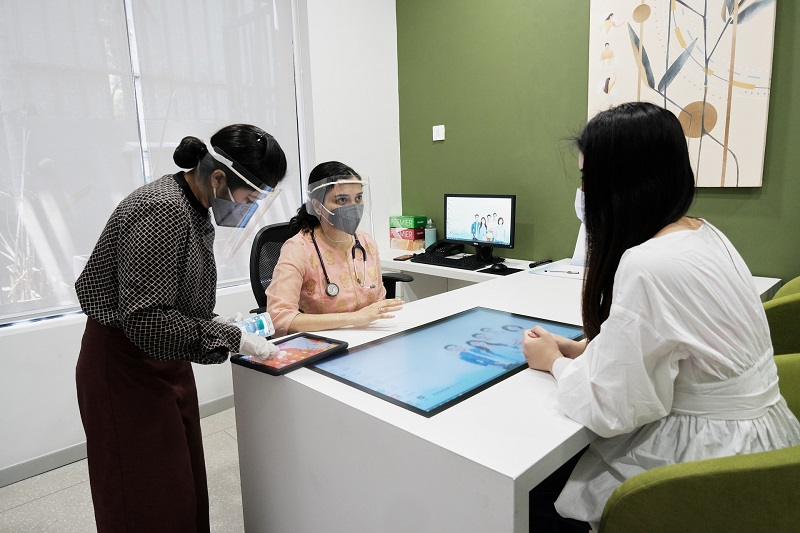
At NURA, an expert team guides you through each stage of the screening process, helping you understand your health and what your results may mean. With advanced technology and world-class equipment, the focus is on making preventive screening convenient, precise and comfortable.
A healthy lifestyle is not only about what you eat or how often you exercise. It is also about understanding what is happening inside your body. Regular health checkups can help you stay informed, identify potential risks early, and make more informed choices about your health.

welcome