Breast cancer awareness is about more than recognizing a disease. It is about understanding our bodies, questioning misinformation and knowing when to seek medical advice. Yet, despite growing awareness, many misconceptions continue to shape how women think about breast cancer, from assumptions about family history to myths about everyday habits and the signs of the disease.
These misconceptions can create unnecessary anxiety or, just as importantly, a false sense of security. Some women may delay getting a breast change checked because they believe it is harmless, while others may assume they are not at risk because they have no family history of cancer.
The good news is that knowledge can help women make more informed decisions about their health. Recognising possible warning signs, understanding personal risk, and following appropriate screening recommendations can help identify breast cancer earlier, when treatment is often more effective.
This Breast Cancer Awareness Month, let us separate common myths from medical facts.
1. If there’s no family history of breast cancer, am I safe from it?
Not necessarily. A family history can increase your risk, but it is not a prerequisite for developing breast cancer.
Having a close relative, such as a mother, sister or daughter, with breast cancer can increase your risk, particularly if several relatives have been affected or diagnosed at a younger age. Certain inherited gene changes, including BRCA1 and BRCA2 mutations, can also significantly increase the likelihood of developing the disease.
However, many women diagnosed with breast cancer have no known family history of it. The disease can develop due to a combination of factors, including age, hormonal and reproductive history, genetics and other influences. Some risk factors are within our control, while others are not.
Knowing your family medical history is useful, but it should not be the only factor guiding your decisions about breast health. Discuss your personal risk with a healthcare professional and follow appropriate screening recommendations, even if breast cancer has never occurred in your family.
2. Does breast cancer always begin with a lump?
No. A lump is a common warning sign, but breast cancer can also cause other changes, and early-stage disease may have no noticeable symptoms.
A new lump in the breast or underarm is one of the most recognised signs of breast cancer. However, other changes can also warrant medical attention. These include a change in the size or shape of a breast, dimpling or puckering of the skin, persistent redness or thickening, changes in the nipple, or unusual nipple discharge, particularly if it is bloody.
It is also important to remember that most breast lumps are not cancerous. Hormonal changes, cysts and other benign conditions can cause lumps or changes in breast tissue. However, it is not possible to determine the cause of a lump simply by how it feels.
If you notice a new or persistent change, consult a healthcare professional rather than waiting for additional symptoms to appear. A clinical assessment and, if necessary, further investigations can help establish the cause.
3. If a breast lump is painless, should I be worried? And what if it hurts?
Pain alone cannot tell you whether a lump is cancerous or harmless, it will require medical evaluation.
Breast cancer lumps are often painless, which is one reason some women may not notice them immediately. However, a cancerous lump can sometimes be tender or painful, too. Similarly, breast pain is commonly associated with hormonal fluctuations, cysts and other non-cancerous conditions.
It is therefore misleading to assume that a painful lump is harmless or that a painless one must be cancerous. Other characteristics, such as the lump’s size, shape and mobility, cannot reliably rule cancer in or out without proper assessment.
If you discover a new lump, thickened area or persistent change in your breast or underarm, arrange an appointment with a healthcare professional. Depending on your age, symptoms and medical history, they may recommend imaging or a biopsy.
Seeking advice does not mean you should assume the worst. It means giving yourself the opportunity to understand what is happening and take the appropriate next step.
4. Can wearing bras or using deodorants cause breast cancer?
There is no scientific evidence that wearing a bra or using underarm deodorants causes breast cancer.
Concerns about bras, particularly underwire bras, often stem from the belief that they restrict lymphatic drainage and cause harmful substances to accumulate in breast tissue. Research has not established a link between wearing bras and an increased risk of breast cancer.
Similarly, rumours about deodorants and antiperspirants, including those containing aluminium-based ingredients, have circulated for years. Current scientific evidence does not support the idea that using these products causes breast cancer.
It is easy for health-related misinformation to spread when a familiar product or everyday habit is linked to a serious disease. However, a claim repeated frequently is not necessarily supported by scientific evidence.
5. Is breast cancer only a concern for older women?
No. Although the risk generally increases with age, breast cancer can affect younger women as well.
Age is an important risk factor, and breast cancer is more commonly diagnosed in older women. However, younger women are not completely immune to the disease. A younger age should never be used as a reason to dismiss a new or unusual breast change.
Women may also experience changes in their breasts during menstruation, pregnancy, breastfeeding, and other hormonal transitions. While many of these changes are normal, a persistent or unusual change should still be assessed rather than automatically attributed to hormones.
The appropriate approach to screening depends on factors such as age, family history, personal medical history and individual risk. Women at higher risk may need a different screening plan from those at average risk.
Understanding your risk and knowing what is normal for your body can help you make informed decisions at every stage of life. If you notice a concerning change, seek medical advice regardless of your age.
6. If I feel healthy and have no symptoms, do I still need breast cancer screening?
Yes, if you are due for screening based on your age and individual risk. Screening can help detect breast cancer before symptoms become noticeable.
Screening and diagnostic testing serve different purposes. Screening is intended to look for signs of disease in people who do not have symptoms. Diagnostic tests, on the other hand, investigate a particular symptom or abnormal finding.
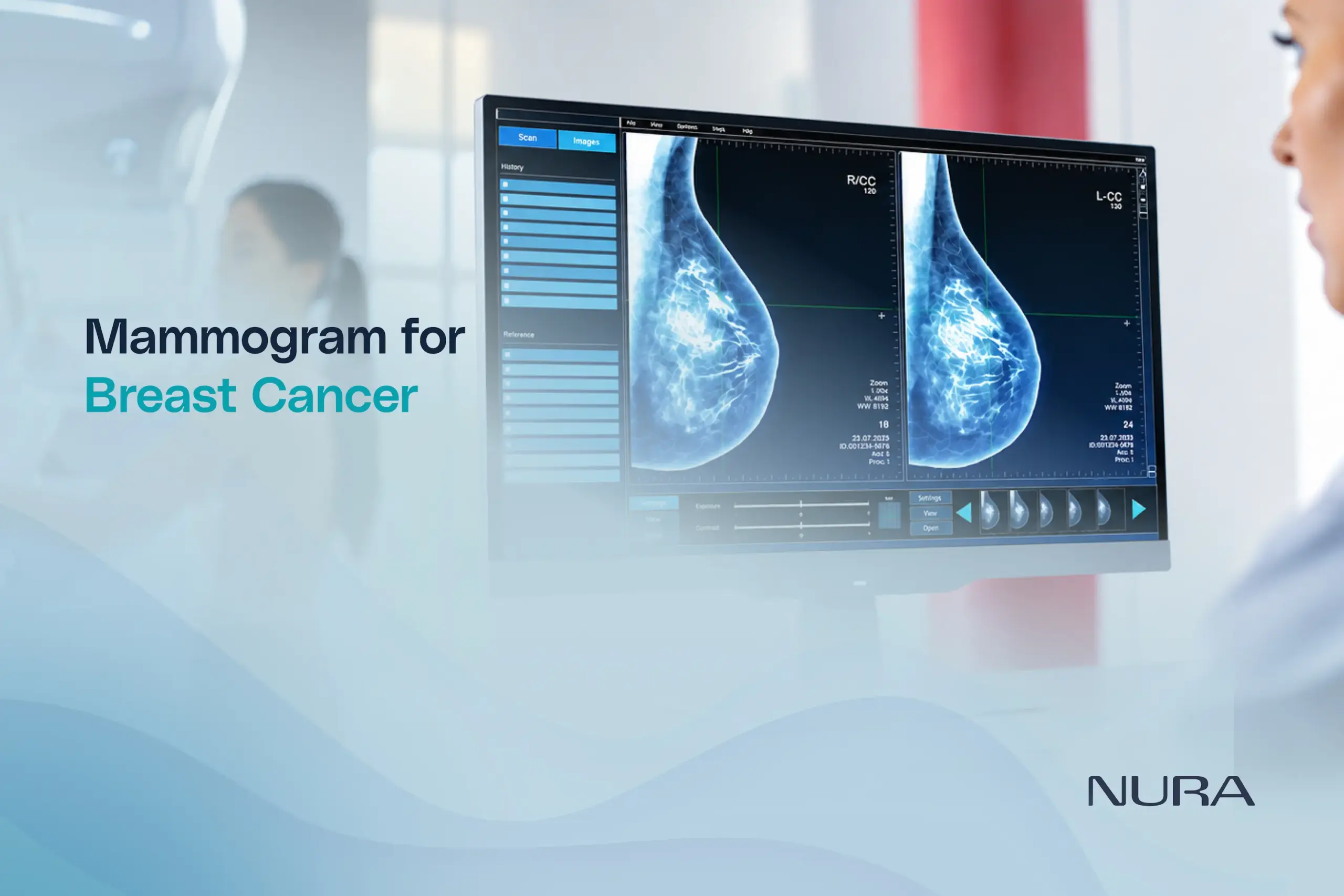
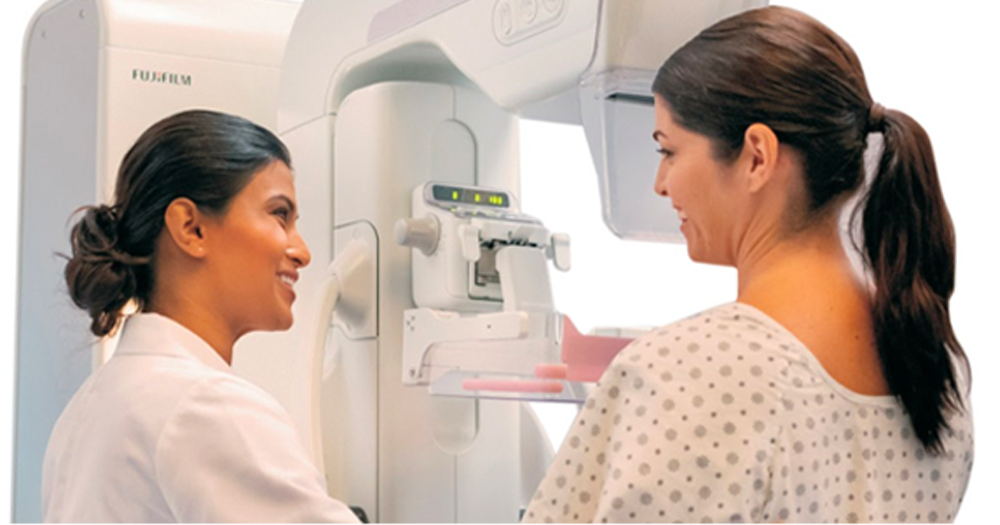
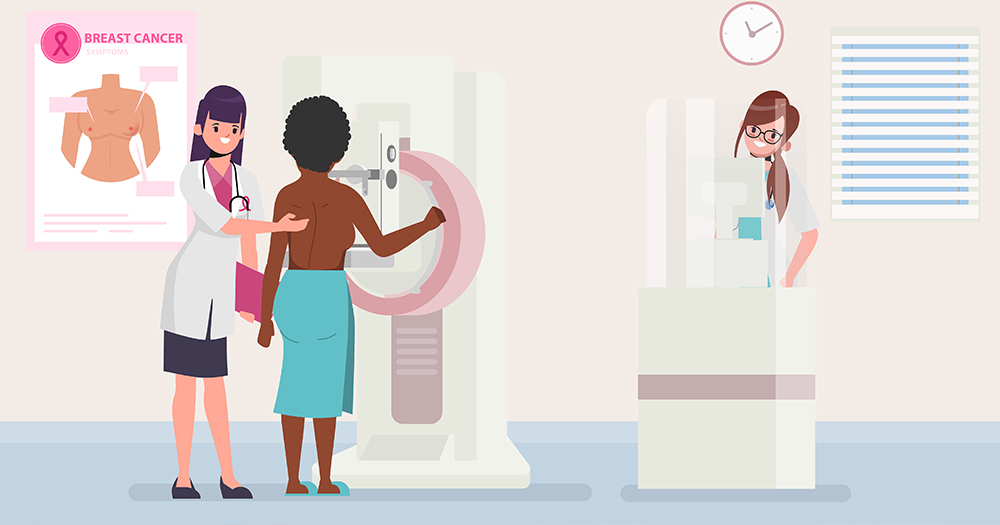
A mammogram is an X-ray examination of the breast that can identify certain abnormalities, including some that are too small to feel. Depending on your circumstances, a healthcare professional may recommend mammography or other imaging methods as part of your assessment.
The recommended age to begin screening and how frequently it should be performed can vary according to local guidelines and individual risk. Women with a strong family history or certain inherited genetic changes may need to begin earlier or undergo additional assessments.
It is important not to wait for a lump or another symptom before considering screening if you are eligible for it. Equally, if you already have a concerning breast change, do not wait for your next routine screening appointment. Seek a clinical evaluation promptly.
7. Is a breast self-examination enough to detect breast cancer early?
Being familiar with your breasts is valuable, but checking them yourself cannot replace recommended screening or medical evaluation.
Understanding how your breasts normally look and feel can help you recognise changes that might otherwise go unnoticed. You may become aware of a new lump, a change in shape, skin dimpling or an alteration in the nipple. There is no need to become anxious about every natural variation; the important thing is to notice changes that are new, unusual or persistent.
However, breast self-examination cannot detect every cancer, particularly those that are too small to feel. Nor can it establish whether a change is cancerous. Screening mammography and other investigations recommended by a healthcare professional can identify abnormalities that a physical check may miss.
Think of breast awareness as one part of looking after your health, rather than a substitute for medical care. If you notice a change, arrange an assessment. If you are due for screening, follow the guidance appropriate to your age and risk.
8. Can breast cancer be prevented by maintaining a healthy lifestyle?
A healthy lifestyle may help reduce risk, but it cannot guarantee that breast cancer will never develop.
Some factors associated with breast cancer risk can be modified. Regular physical activity, maintaining a healthy weight, limiting alcohol consumption, and discussing the risks and benefits of hormone-related medicines with a healthcare professional may help reduce risk in certain circumstances.
Other factors, including age, inherited genetic changes and family history, cannot be changed. Even women who follow a healthy lifestyle can develop breast cancer, and a diagnosis should never be interpreted as a personal failure.
There is also no single food, supplement or home remedy that can guarantee protection against the disease. Be cautious of claims that promise to prevent cancer or suggest that lifestyle changes alone can replace medical screening.
A balanced approach combines healthy habits with an understanding of personal risk, awareness of breast changes, and appropriate medical care. If you have a strong family history or other risk factors, a healthcare professional can help you understand whether additional screening or genetic counselling may be appropriate.
Making preventative healthcare a priority
Breast cancer awareness is not about living in fear of every ache, lump or change. It is about knowing when something deserves attention, understanding the facts and feeling confident enough to seek answers.
Early detection can make a meaningful difference because breast cancer identified at an earlier stage is often easier to treat. While screening cannot prevent every case or detect every cancer, it remains an important part of breast health when followed according to appropriate recommendations.
Fear, uncertainty, or embarrassment should not prevent women from seeking medical advice. A screening appointment is not a reason to expect bad news; it is an opportunity to make informed decisions about your health.
At NURA, the emphasis is on informed health decisions and the value of preventive screening. This Breast Cancer Awareness Month, take the time to understand your body, learn about your personal risk, and speak to a healthcare professional about the screening that is right for you. Your health deserves attention before a concern becomes a crisis. The more you know about your body, the more empowered you are to care for it.