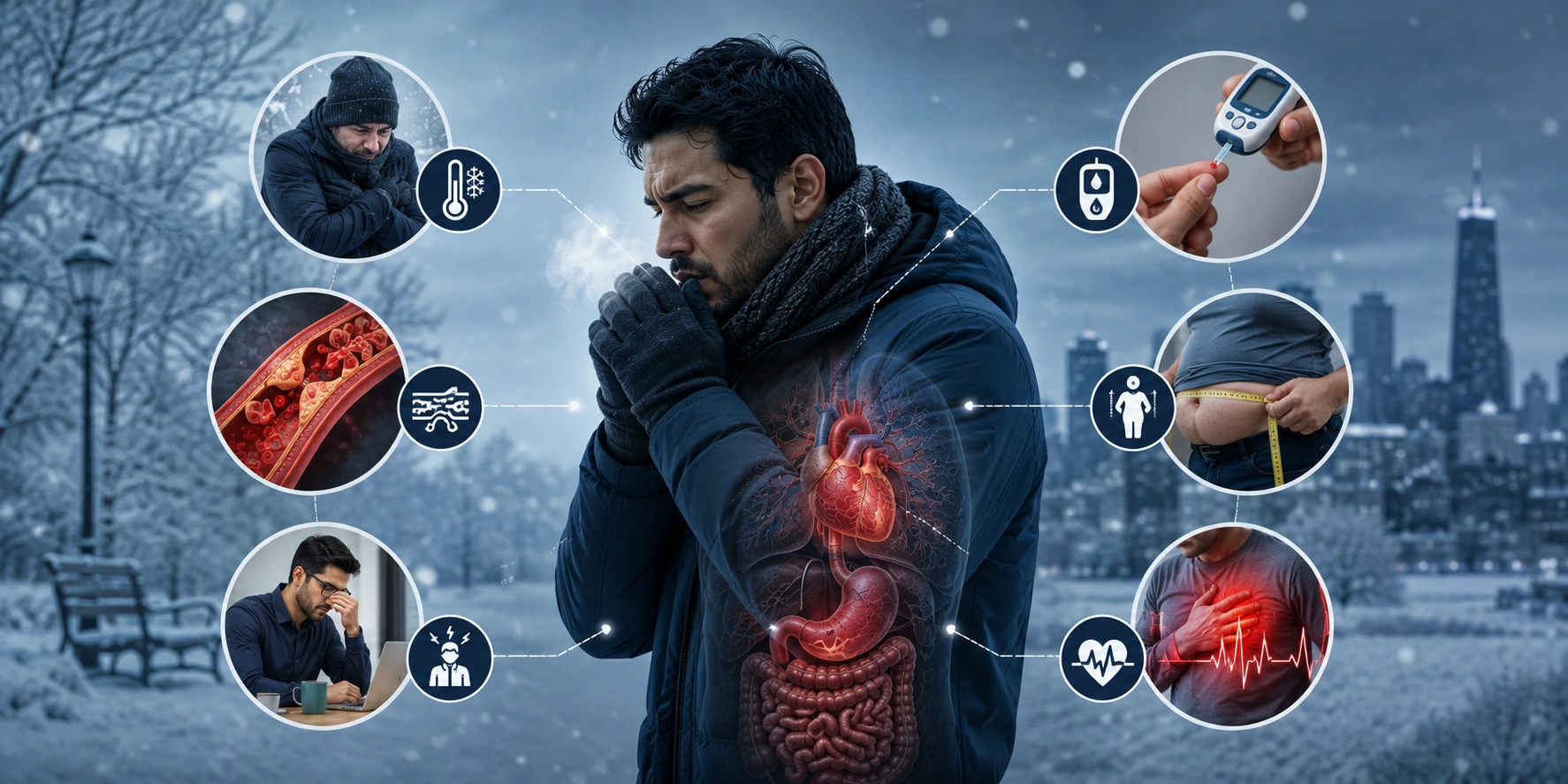
When you think about Vitamin D, we’re taught to think about the sun and healthy bones. But Vitamin D, and the effects of vitamin D deficiency, are a lot more complex. A vitamin D deficiency can cause serious health problems like cardiovascular diseases, diabetes, and even obesity. It also affects your immune system – and even your mental health. A vitamin D deficiency and lifestyle go very much hand in hand. But don’t take our word for it. Let’s look at the proof.
What is Vitamin D and Its Importance?
Vitamin D helps your body absorb calcium and keeps your bones strong. But that’s not all – it also supports your heart, immune system, and metabolism. Without enough, you could experience low vitamin D effects, like weak bones and poor health.
Where can you get Vitamin D?
- Sunlight – A common misconception is that it’s the Sunlight that contains Vitamin D. That’s not the case.
It’s actually your own skin that makes the Vitamin D when it is exposed to the sun! - Fortified foods – Milk, cereals, and orange juice have added Vitamin D.
- Egg yolks and mushrooms – They contain small amounts of Vitamin D.
What is Vitamin D Deficiency?
As the name suggests, a vitamin D deficiency just means that your body doesn’t have enough of this important vitamin to work properly. The main causes of a vit D deficiency? Not getting enough sunlight, eating the wrong foods – or at least not eating enough of the right ones, and certain health conditions that make it difficult for your body to absorb Vitamin D.
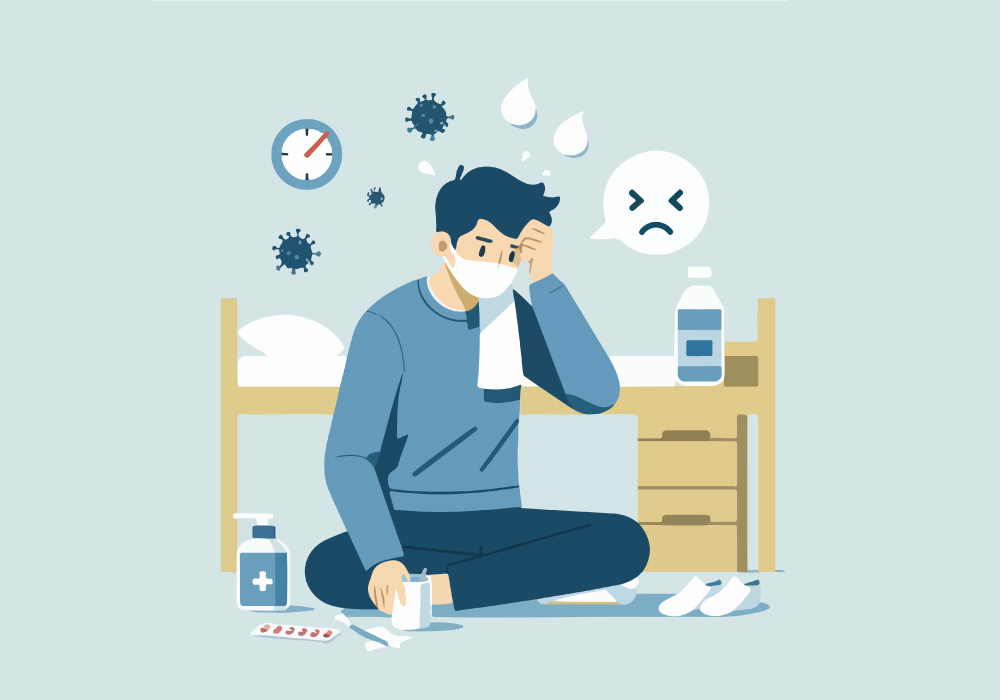
The effects of vitamin D deficiency include feeling tired, weak, and even suffering from painful bones. However, the deficiency of vitamin D effects on the body has the potential to be a lot more severe than this.
What Causes Vitamin D Deficiency?
Vitamin D deficiency can happen for several reasons. While limited sunlight exposure is one of the most common causes, diet, lifestyle, certain medical conditions and the body’s ability to absorb or process Vitamin D can also play a role.
Some common vitamin D deficiency causes include:
- Limited sunlight exposure: Spending most of the day indoors, covering most of the skin, or living in areas where sunlight exposure is limited can reduce the amount of Vitamin D produced by the skin.
- Inadequate dietary intake: Vitamin D is naturally present in relatively few foods. A diet that contains little fatty fish, egg yolks or fortified foods may contribute to low levels.
- Darker skin: Higher amounts of melanin can reduce the skin’s ability to produce Vitamin D from sunlight.
- Ageing: The skin’s ability to produce Vitamin D can decrease with age.
- Poor absorption: Certain digestive conditions can affect the body’s ability to absorb Vitamin D from food.
- Obesity: Vitamin D can become less available to the circulation in people with higher amounts of body fat, which may contribute to lower blood levels.
- Certain medical conditions: Conditions affecting the liver, kidneys or gastrointestinal system can interfere with Vitamin D metabolism or absorption.
- Certain medications: Some medicines can affect Vitamin D metabolism and may contribute to lower levels.
Having one or more of these risk factors does not necessarily mean that a person has Vitamin D deficiency. A blood test can help determine whether Vitamin D levels are within the appropriate range.
How Vitamin D Deficiency Contributes to Lifestyle Diseases
A lack of vitamin D can lead to serious health problems – that have the potential to eventually take your life.
Effect on Bone Disorders and Osteoporosis
One of the most well-known low vitamin D symptoms is weak bones. Without it:
- Your body struggles to absorb calcium, leading to osteoporosis.
- Children can develop rickets, a condition that causes soft bones.
- Older adults face a higher risk of fractures.
Athletes with Vitamin D Deficiency
If you’re an athlete, Vitamin D is even more important. Those who train indoors or live in colder places often have lower levels, which can lead to:
- Weaker muscles
- Slower reaction times
- Increased fatigue
It also affects the immune system, meaning a lack of vitamin D could make you more likely to fall sick.
Impact on Athletic Performance
Vitamin D deficiency effects on body and can lead to reduced muscle strength, slower reaction times, and fatigue. This impacts their overall performance, endurance, and ability to train effectively.
Vitamin D and Cardiovascular Health
A lack of vitamin D can increase your risk of suffering from heart problems. How so?
- To you, it could seem like just another vitamin that schools tell you to stand more in the Sun for. But did you know that Vitamin D helps keep blood pressure under control?
- A deficiency of vitamin D can affect the body and can include stiff arteries, making heart disease more likely.
- Vitamin D deficiency and cardiovascular diseases also put you at a direct risk of getting a stroke, possibly a fatal one.
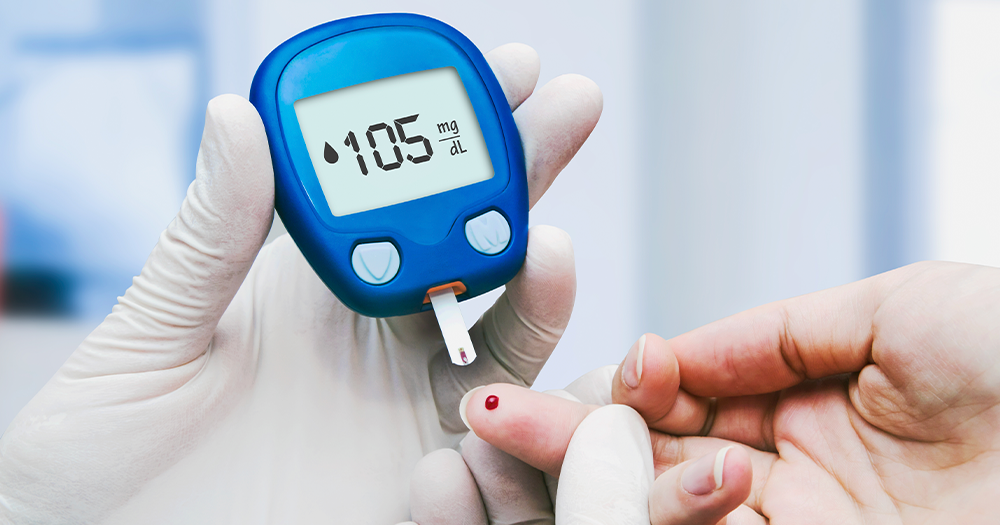
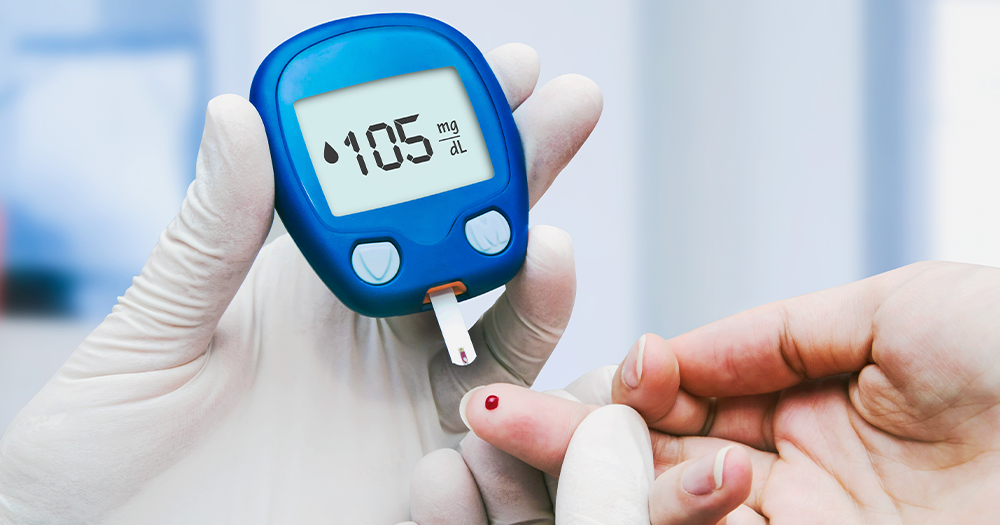
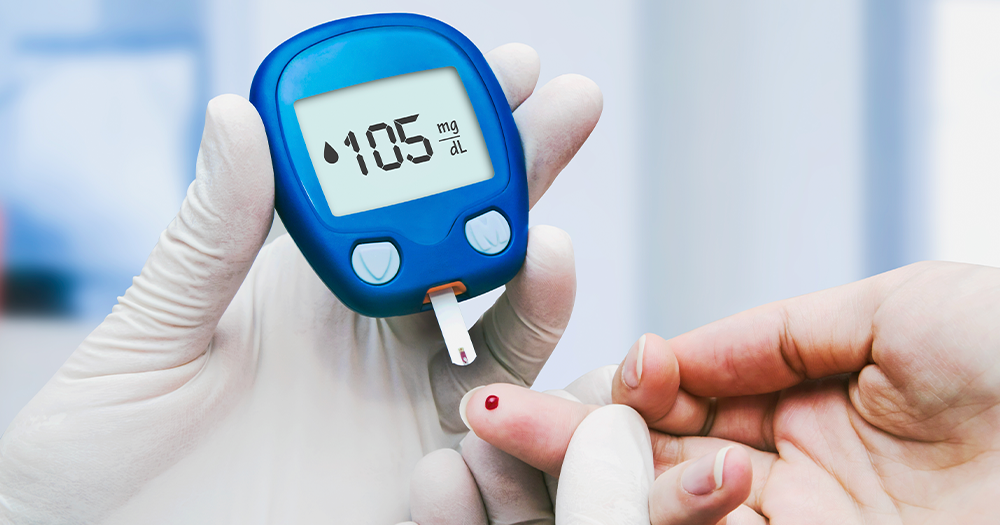
Role in Diabetes and Glucose Regulation
Your body needs Vitamin D to help regulate blood sugar. If you don’t have enough, here’s what happens:
- Your pancreas might not produce enough insulin, increasing your vitamin D and diabetes risk.
- You can become insulin resistant, making it harder for your body to control sugar levels.
- Chronic inflammation could lead to more complications over time.
Impact on Obesity and Metabolic Health
Did you know that a deficiency of vitamin D causes weight gain and might make it harder to manage your weight?
- It plays a role in fat metabolism.
- Lack of vitamin D can mess with hunger hormones, making you feel hungrier.
- It’s also linked to poor metabolic function and inflammation, which contribute to obesity.
Vitamin D and Cancer
Vitamin D helps regulate cell growth and keeps your immune system strong. Research suggests it could protect against:
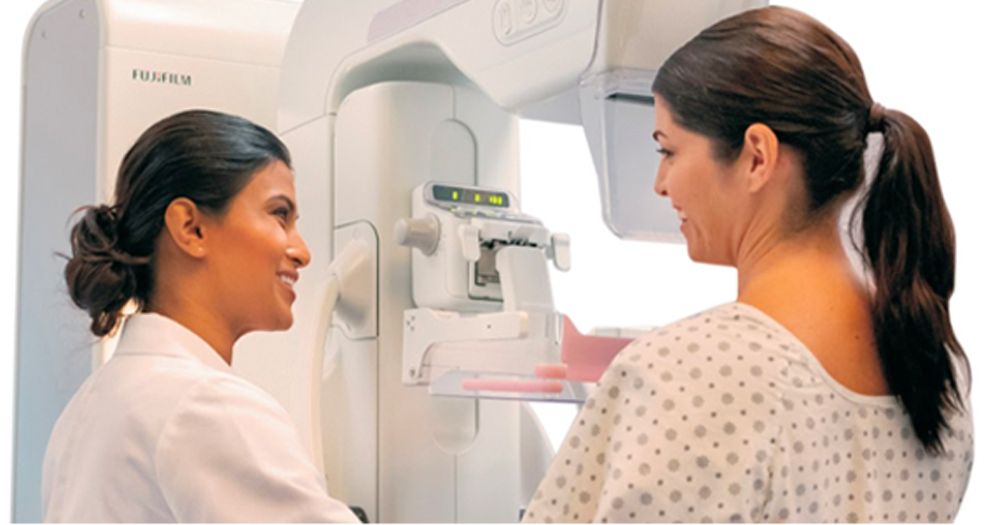
- Breast cancer
- Colorectal cancer
- Prostate cancer
By supporting healthy cell function, vitamin D and cancer might be linked to a lower risk of abnormal cell growth.
Weakened Immune Function
Vitamin D and immune system diseases are connected. A deficiency can make athletes more prone to illnesses and infections, affecting training and overall health.
How to Prevent and Manage Vitamin D Deficiency
- Safe and Effective Sun Exposure Tips: Spending 10 – 30 minutes in direct sunlight daily can help. If you’re in a hot climate, early mornings or late afternoons are best.
- Dietary Sources and Supplementation: Add more Vitamin D-rich foods like fatty fish, eggs, and fortified dairy to your meals.
- Consulting Healthcare Providers for Guidance: If you can’t get enough from food and sunlight, supplements can help. A doctor will guide you on the right dosage.
Vitamin D Testing and Preventive Health at NURA
At NURA, we believe that understanding important health markers is an essential part of preventive healthcare. Vitamin D testing can help identify whether Vitamin D levels are lower than expected, particularly for people with risk factors or symptoms that may warrant evaluation.
Vitamin D levels should be interpreted in the context of an individual’s overall health, medical history and other relevant findings. If a deficiency is identified, a qualified healthcare professional can recommend appropriate dietary changes, supplementation or further evaluation based on individual needs.
As part of its comprehensive preventive health approach, NURA combines laboratory investigations with advanced health screening and professional medical consultation. Health checkups are available at NURA centres in Bengaluru, Gurugram, Mumbai, Hyderabad, Calicut and Chennai, allowing individuals to assess multiple aspects of their health in one structured screening experience.
Importance of Regular Testing and Monitoring
- Who Should Get Tested? Anyone at risk of vitamin D and chronic diseases should check their levels, especially those who spend little time outdoors or have dietary restrictions.
- Why Regular Testing is Crucial: Signs of low vitamin D can go unnoticed, but regular tests help prevent future health problems.
- Improved Chronic Disease Management Keeping Vitamin D levels stable can help manage long-term health conditions better.
FAQs
1) How does low Vitamin D affect your heart?
It can increase the risk of high blood pressure, vitamin D and cardiovascular diseases, and poor artery function.
2) What chronic diseases are associated with Vitamin D deficiency?
Vitamin D and other diseases like diabetes, heart disease, osteoporosis, and some cancers
3) How can I raise my Vitamin D level quickly?
Spend more time in the sun, eat Vitamin D-rich foods, or take supplements if needed.
4) How does Vitamin D deficiency affect your life?
It can cause dizziness due to vitamin D deficiency, weak muscles, poor immunity, and increase the risk of serious diseases.