What is Prediabetes?
Prediabetes is a condition whereby an individual’s blood glucose level is elevated above normal but below the level at which the person will be referred to as having diabetes. It can sometimes occur alongside insulin resistance, whereby the body cells are not responsive to the effects of insulin. Insulin is a hormone produced by the pancreas, and its role is to transfer glucose in the blood into body cells. In this case, the pancreas produces more insulin, but eventually, the blood glucose rises.
Importance of Early Identification
The World Health Organization (WHO) recognises diabetes as a major global public health concern and emphasises the importance of preventing and delaying the development of type 2 diabetes through early identification and management of risk factors. Therefore, prediabetes becomes an extremely relevant notion in this case since the identification of high glucose levels becomes a chance to take preventive measures.
How Is Prediabetes Identified?
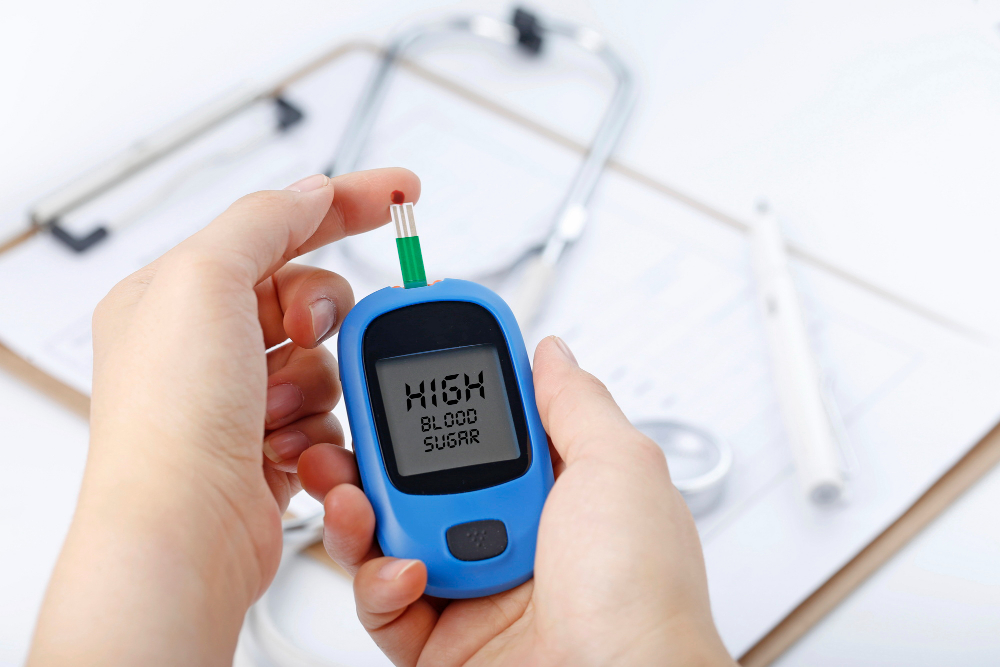
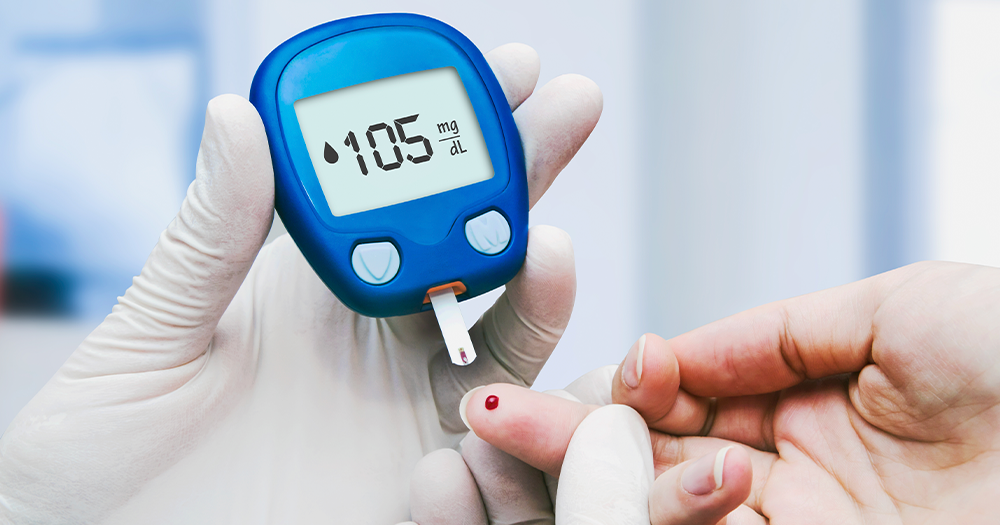
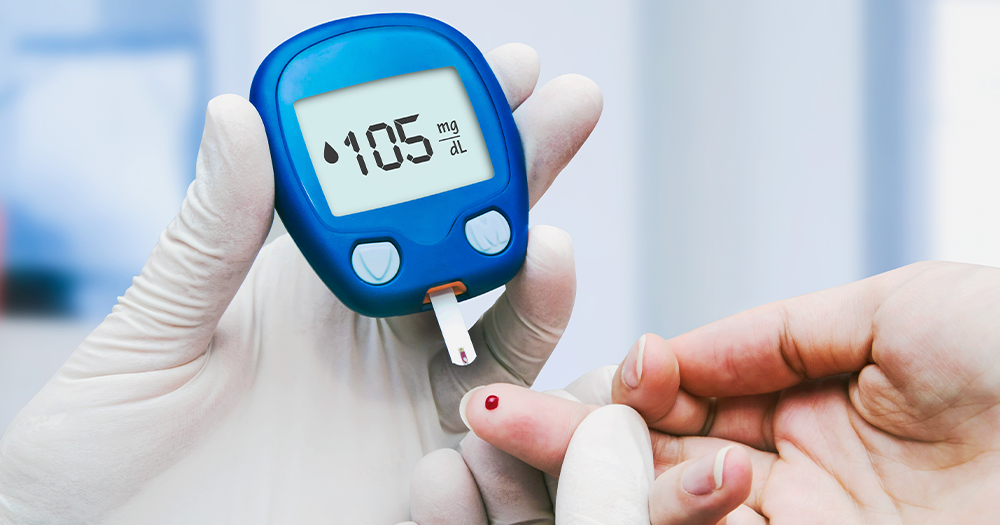
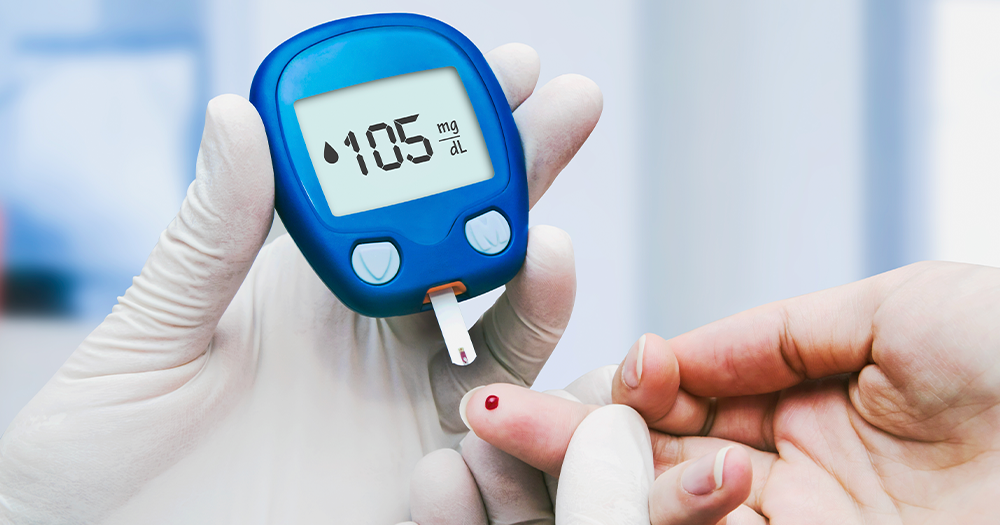
The American Diabetes Association (ADA) says that prediabetes is an intermediate stage where the glucose or HbA1c is higher than normal levels but still does not meet the diagnostic criteria for diabetes. In non-pregnant adults, prediabetes may be identified through an HbA1c level of 5.7% to 6.4%, a fasting plasma glucose level of 100 to 125 mg/dL, or a two-hour plasma glucose level of 140 to 199 mg/dL during a 75 g oral glucose tolerance test.
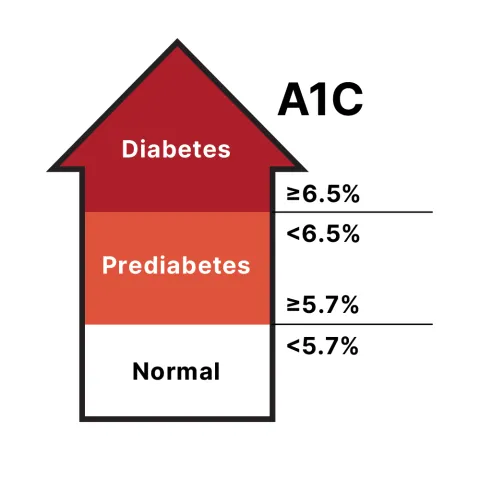
These tests are performed to assess the regulation of blood glucose levels. The specific test to be performed depends on the individual conditions.
What Are the Common Symptoms of Prediabetes in Females?
‘The most common sign is often no obvious symptom at all.’
The first and foremost answer to the question, “What are the early signs of prediabetes in females?” is that there may be none. Prediabetes is frequently asymptomatic, meaning that women may not know they have the condition until a blood test identifies abnormal glucose levels.
The US Centers for Disease Control and Prevention (CDC) also highlights the fact that an individual can live with prediabetes for years without noticing any symptoms. In this case, it might be worthwhile to discuss blood glucose tests with a physician if you have risk factors.
Regular health screening can be particularly valuable as early metabolic changes are usually invisible and unnoticeable.
Increased thirst and frequent urination
Some women may notice increased thirst or the need to urinate more frequently. It occurs when blood glucose levels are high, however, it is more characteristic for full-blown diabetes rather than for the early stage of prediabetes.
In addition, one should bear in mind the fact that increased thirst and increased frequency of urination have many other causes. For instance, some medications, urinary problems, increased intake of fluids and other conditions can cause these symptoms. That is why these symptoms cannot be considered a basis for self-diagnosis and should be discussed with the doctor to find out whether blood glucose screening is necessary.
Persistent fatigue
Fatigue is another symptom commonly searched online in relation to prediabetes symptoms in women. Sometimes changes in blood glucose levels can cause the feeling of exhaustion; however, fatigue itself is not a sign of prediabetes.
There are numerous reasons why women can feel fatigued. For example, lack of sleep, stress, malnutrition, anaemia, thyroid disorders and other medical problems. That is why a feeling of constant fatigue does not automatically mean prediabetes.
Darkened or velvety patches of skin
Another visible sign that may occur in individuals with prediabetes or insulin resistance is acanthosis nigricans. This condition may make some skin areas look darker, thicker or velvety. In most cases, this skin condition affects the neck, armpits and groin.
Having acanthosis nigricans does not mean that you definitely have prediabetes. However, because it can be associated with insulin resistance, its presence may demand a discussion with a healthcare professional about metabolic health and appropriate testing.
Blurred vision, headaches or increased hunger
Some women look for such symptoms as headaches, blurred vision or increased appetite while searching for the early signs of prediabetes in women. Even though the above-mentioned symptoms may occur for different reasons, they are not always indicative of prediabetes.
Headaches can occur as a result of dehydration, stress, lack of sleep and many other reasons. Blurred vision can be caused by various eye disorders and diseases. Increased appetite is also caused by dieting, hormonal imbalance and many other factors.
These symptoms are not the proof of prediabetes, since only blood tests will give the true picture of glucose concentration in blood.
Risk Factors for Prediabetes in Women
While there are a number of risk factors that are identical in both men and women, there are certain factors that are highly significant when discussing prediabetes in females.
- PCOS and Insulin Resistance
Women suffering from polycystic ovary syndrome (PCOS) can be at risk of developing insulin resistance and problems with glucose metabolism. Nevertheless, PCOS is not one of the symptoms of prediabetes and does not serve as evidence of future development of the disease. However, due to the high frequency of insulin resistance in people with PCOS, this syndrome is included in the list of the conditions discussed by the ADA.
- History of Gestational Diabetes
Another risk factor in case of women is the presence of gestational diabetes in the past, which increases the probability of future development of both prediabetes and type 2 diabetes. For this reason, blood glucose testing may be conducted regularly in case of gestational diabetes.
- Family History and Other Metabolic Risk Factors
A family history of type 2 diabetes may be another significant risk factor. The risk may also be elevated in people that lack physical activity, suffer from high blood pressure, abnormalities of cholesterol and triglycerides or have extra visceral adiposity. Prediabetes is associated with an enlarged cardiometabolic risk profile thus, if a person has abnormal glucose values, other parameters of cardiovascular health should be evaluated.
One should bear in mind that body mass index is not a determining factor for development of prediabetes. Individual metabolic risks may vary, and even those that do not think of themselves as overweight may have glucose abnormalities.
How Is Prediabetes Diagnosed?
Because prediabetes often has no clear symptoms, diagnosis depends on blood testing rather than symptoms alone. The ADA recommends three main tests for identifying prediabetes: HbA1c, fasting plasma glucose and the oral glucose tolerance test.
HbA1c provides information about average blood glucose levels over the previous few months. Fasting plasma glucose measures blood sugar after fasting, while the oral glucose tolerance test measures how the body responds to a specific amount of glucose.
Different tests assess different aspects of glucose regulation, and one test may not always produce the same result as another. For this reason, healthcare professionals interpret test results within the broader clinical context. Depending on the result, repeat or confirmatory testing may be required.
When Should Women Get Tested for Prediabetes?
The ADA suggests that prediabetes and diabetes screening be done according to the risk-based approach in asymptomatic adults. Screening is advisable to be done at an earlier stage in overweight or obese adults if one or more additional risks exist.
In particular, women may consider discussion of the matter of screening if there is PCOS, gestational diabetes, a strong family history of type 2 diabetes mellitus or other relevant risk factors such as hypertension, blood lipid abnormalities, inactivity, and physical signs of insulin resistance.
Why You Should Not Wait for Prediabetes Symptoms
Screening in adults with no additional risk factors is recommended starting from the age of 35. If prediabetes is diagnosed already, monitoring is required further. Type and intervals of screening are to be decided by the physician depending on the risk profile of the patient.
The main idea is that women should not wait until symptoms appear in order to do a screening. Given that prediabetes may be symptomless, factors and tests are better criteria than symptoms.
Can Prediabetes Be Prevented or Improved?
Being diagnosed with prediabetes does not automatically guarantee a patient will eventually develop type 2 diabetes. Studies and guidelines have proven that timely intervention through making specific lifestyle changes is effective in preventing or delaying type 2 diabetes development.
- Lifestyle Changes
This may include having a healthier diet in general, engaging in more physical activities and weight management where necessary depending on the patient’s condition. This is not about going on a fad diet or following an unsustainable fitness regimen. Making healthy and sustainable lifestyle choices is often preferred for better long-term outcomes.
Both the CDC and ADA recommend using lifestyle changes to decrease the likelihood of developing type 2 diabetes from prediabetes. In case of patients at especially high risk, other preventive measures may be taken into account by doctors.
Take Charge of Your Metabolic Health with NURA
When it comes to common signs of prediabetes in women, it is important to note that there may be no symptoms at all. Some individuals may have experienced symptoms like an increase in thirst, the need to urinate frequently or feel tired all the time, however, these symptoms are rather nonspecific and cannot serve as diagnosis of prediabetes. There may be some areas of darkened, velvety skin, which may be linked with insulin resistance and require further evaluation.
It is important for women who have polycystic ovary syndrome (PCOS), a history of gestational diabetes, family history of type 2 diabetes and other metabolic risk factors to pay special attention to the issue of proper screening.
- Know Your Risk Before Symptoms Appear
Instead of waiting for the appearance of symptoms, one can take a simple blood test in order to know whether his/her blood sugar is normal, in prediabetes range or it meets the criteria for diabetes. In case of early identification of prediabetes, one will have an opportunity to know more about his/her risk factors and do something in order to avoid the disease.
- How NURA Can Support Your Metabolic Health
In NURA, preventive whole body checkup in Mumbai, Bengaluru, Gurugram, Hyderabad, Calicut and Chennai is designed in such a way that it helps to detect potential health risks that may appear even before any symptoms. NURA’s health screening packages include physician review and evaluation of different health parameters, including metabolic health.
In case if you are concerned about prediabetes and have risk factors, you can ask a healthcare specialist whether screening is right for you.