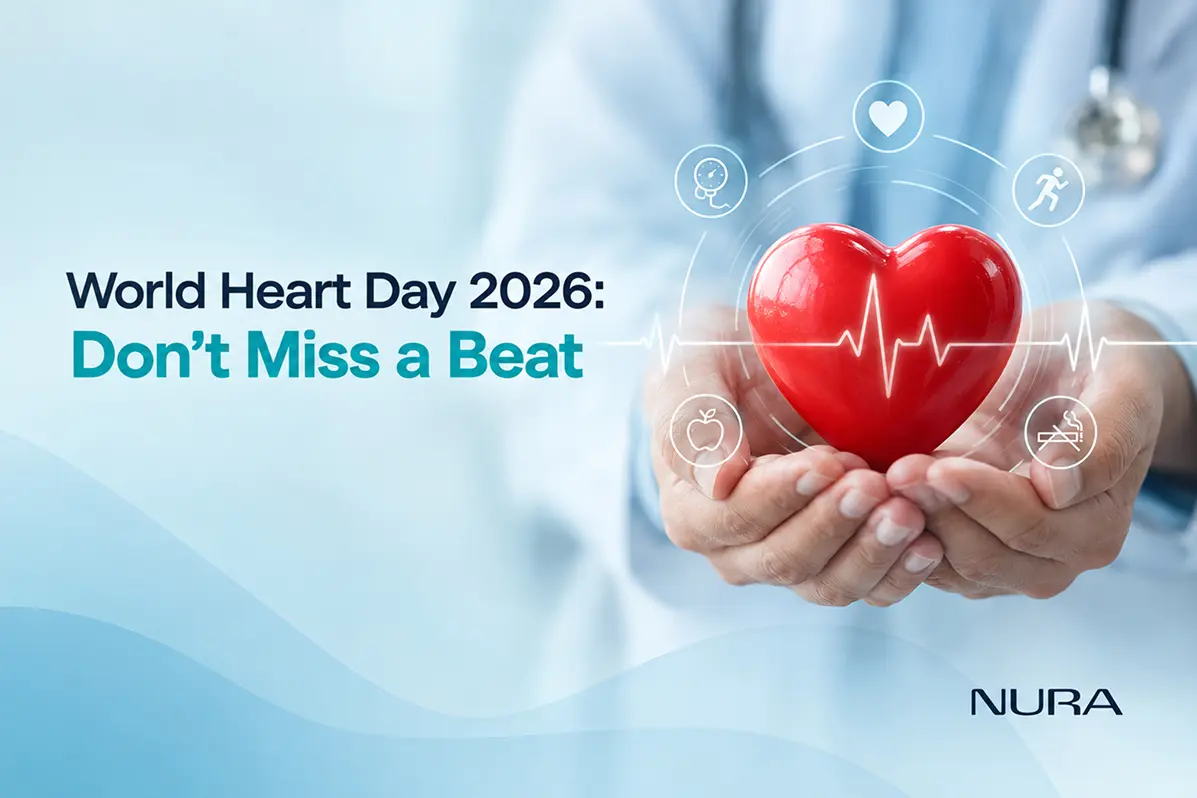
Every heartbeat is a reminder that the heart is working continuously to keep us going. Yet, cardiovascular disease remains the world’s leading cause of death, accounting for around 20 million deaths globally each year. Many cardiovascular conditions can develop silently, with warning signs going unnoticed until they become serious. This makes awareness, prevention, and timely screening an important part of protecting heart health.
Observed every year on 29th September, World Heart Day provides an opportunity to bring heart health into focus and encourage people to understand their cardiovascular risk. More than simply a day of awareness, it is a reminder that looking after the heart involves everyday choices as well as knowing when to seek medical attention.
The 2026 World Heart Day campaign, led by the World Heart Federation, continues with the theme “Don’t Miss a Beat.” This year’s campaign highlights an important message: heart disease can hide in plain sight. It encourages people to recognise the signs and symptoms of cardiovascular disease, protect their heart through healthier choices and call for stronger action on heart health.
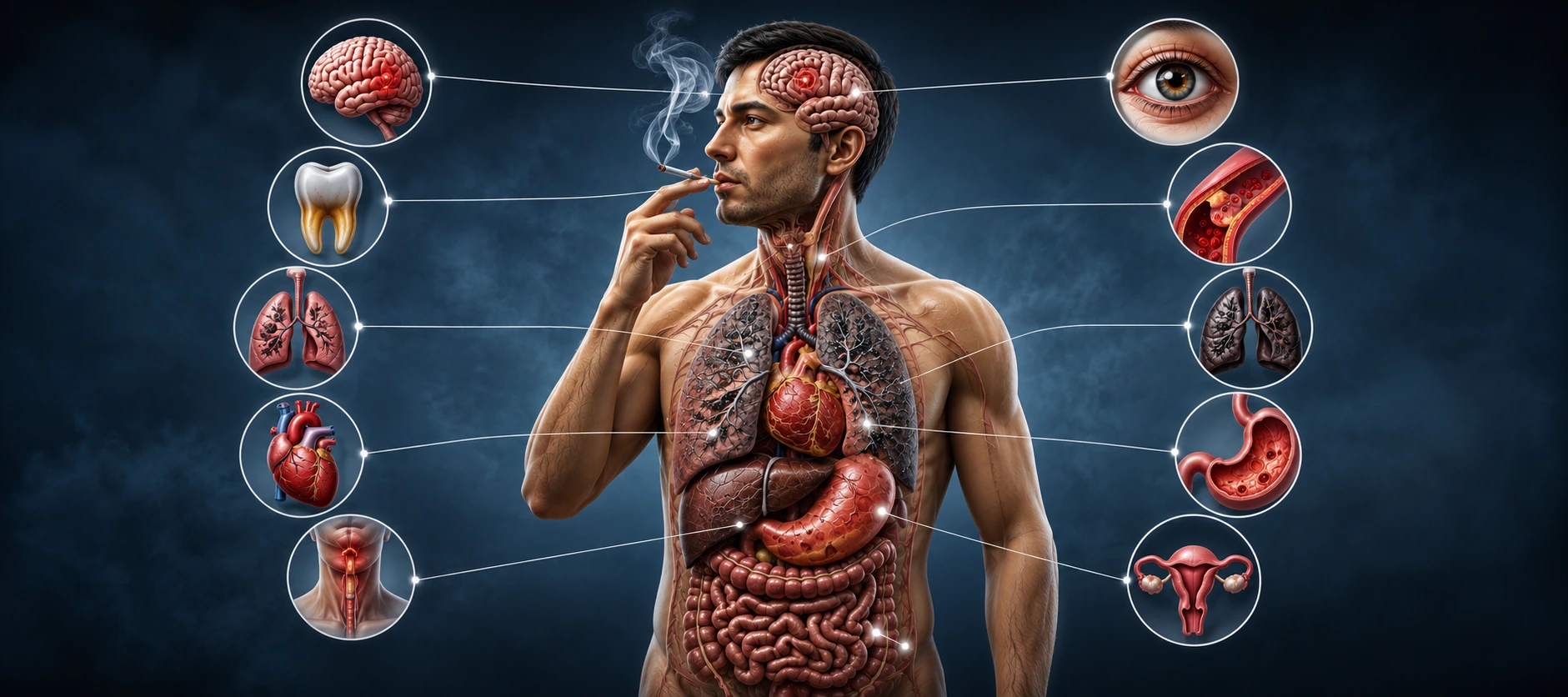
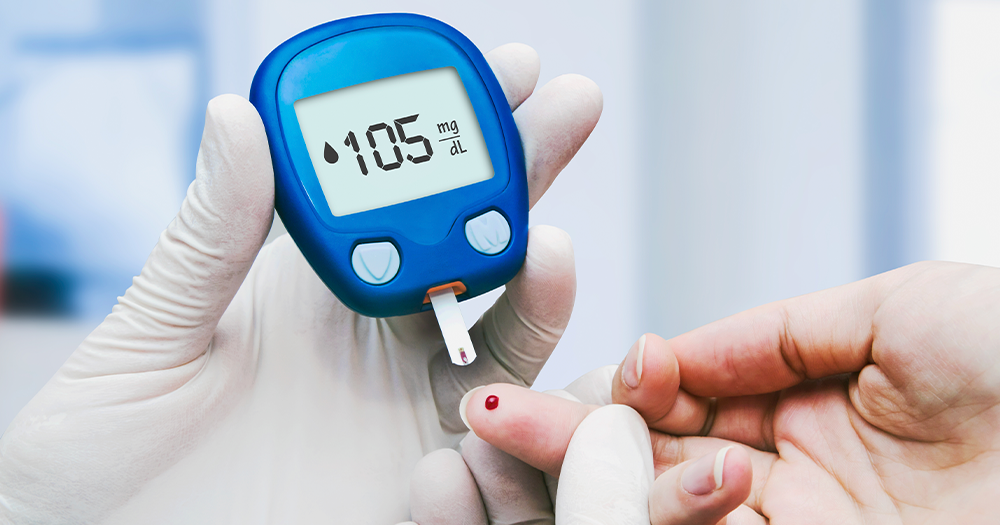
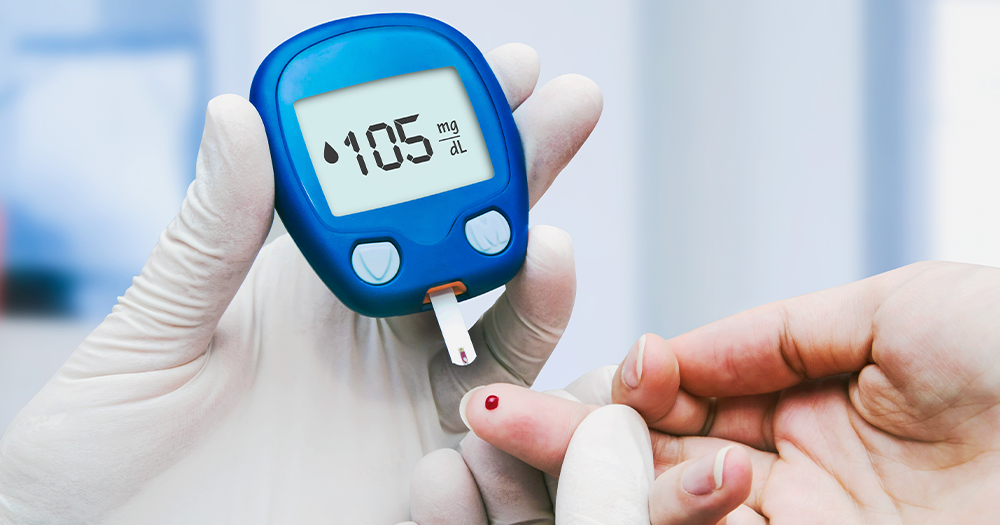
The message is particularly relevant because cardiovascular disease does not always announce itself clearly. Risk factors such as high blood pressure, high cholesterol, diabetes, smoking, physical inactivity and unhealthy diets can contribute to cardiovascular risk, while some conditions may remain undetected for years. Early identification can therefore play an important role in enabling timely medical evaluation and appropriate management.
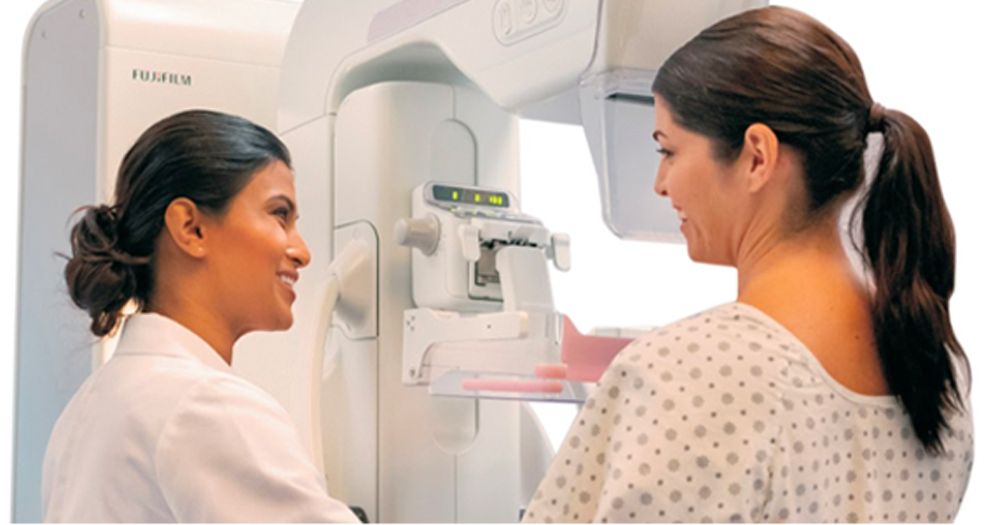
The value of preventive heart screening lies in looking beyond how we feel today. A person may feel perfectly well while an underlying cardiovascular risk is already present. Screening can help identify indicators that warrant closer medical attention, allowing individuals and healthcare professionals to make informed decisions before a potential problem becomes an emergency.
Between February 2020 and September 2026, NURA conducted more than 74,000 heart screenings across its centres. Among these screenings, over 8,000 recorded a coronary calcium score above 100. While a calcium score is not, by itself, a diagnosis of heart disease, an elevated score can indicate the presence of calcified plaque in the coronary arteries and may warrant further clinical assessment based on an individual’s overall risk profile.
These numbers reinforce an important point: screening is not about waiting for symptoms. It is about knowing more about your heart while there is still an opportunity to act.
World Heart Day is ultimately a call to pay attention; to the signs our bodies give us, to the risk factors we may overlook and to the health checks we may keep postponing.
Protecting heart health is a long-term process. Staying physically active, eating a balanced diet, avoiding tobacco, managing blood pressure and cholesterol, and following up on recommended health screenings can all contribute to better cardiovascular health.
This World Heart Day, the message is simple: Know your risks. Recognise the signs. Take care of your heart.