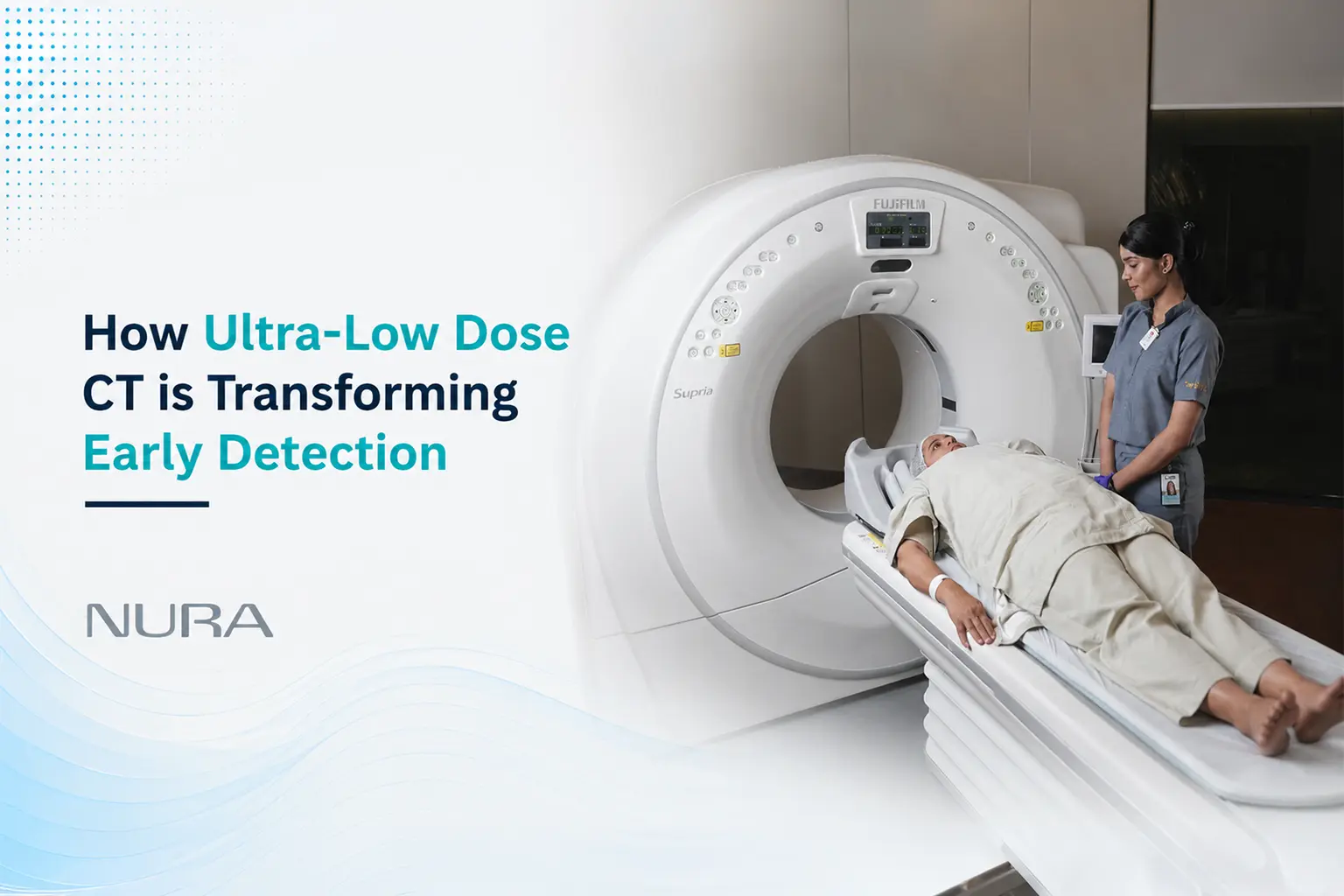
Preventive healthcare is steadily becoming one of the most important pillars of modern medicine. As the global burden of chronic diseases continues to rise, healthcare systems are shifting their focus from treating illnesses after they occur to identifying health risks before symptoms appear. Early detection not only improves clinical outcomes but also reduces the long-term physical, emotional, and financial burden of disease.
Despite this growing awareness, one significant concern has prevented many people from embracing comprehensive health screening: radiation exposure. While CT scans are among the most effective tools for detecting diseases such as cancer, cardiovascular conditions and lung disorders at an early stage, conventional CT imaging exposes patients to considerably higher levels of radiation than routine X-rays. For individuals undergoing periodic preventive health checks, this concern often outweighs the perceived benefits of screening.
This is precisely the challenge that NURA addresses through its Ultra-Low Dose CT technology.
What Is Ultra-Low Dose CT?
Ultra-Low Dose CT is an advanced form of computed tomography designed to obtain clinically useful images while using a substantially lower radiation dose than conventional CT imaging.
The objective is not simply to reduce radiation. The challenge is to maintain sufficient image quality for clinical interpretation even when the radiation dose is significantly reduced.
NURA has redefined preventive screening by making advanced CT imaging significantly safer without compromising quality. Using a combination of advanced imaging hardware and artificial intelligence-powered image reconstruction, NURA’s Ultra-Low Dose CT delivers exceptionally clear diagnostic images while exposing individuals to only a fraction of the radiation, which is only 0.8mSv, when compared to conventional CT scans, which is about 25 mSv.
| [Reference radiation] | mSv |
| Chest Xray | 0.1 |
| Abdominal Xray | 1.0 |
| Abdominal fluoroscopy | 13.3 |
| India natural radiation average/year | 4.3 |
| Global natural radiation average/year | 2.4 |
The Science Behind Lower-Radiation CT Imaging
The principle behind this innovation aligns with the internationally accepted ALARA (As Low As Reasonably Achievable) guideline, which advocates minimising radiation exposure while maintaining the diagnostic quality required for accurate clinical decision-making. Traditional ultra-low-dose scans often produced grainy or noisy images that increased the possibility of missing subtle abnormalities. Increasing the radiation dose improved image quality, but at the expense of safety.
How Ai enhances ultra-low-dose CT at NURA
NURA bridges this gap through AI-enhanced imaging. Instead of relying solely on higher radiation to produce clearer scans, sophisticated artificial intelligence algorithms reconstruct and refine images, reducing noise while preserving clinically significant details. The result is high-quality diagnostic imaging with substantially lower radiation exposure. According to NURA’s clinical data, this approach achieves a remarkable 97% reduction in radiation dose compared to conventional CT imaging while maintaining excellent diagnostic accuracy.
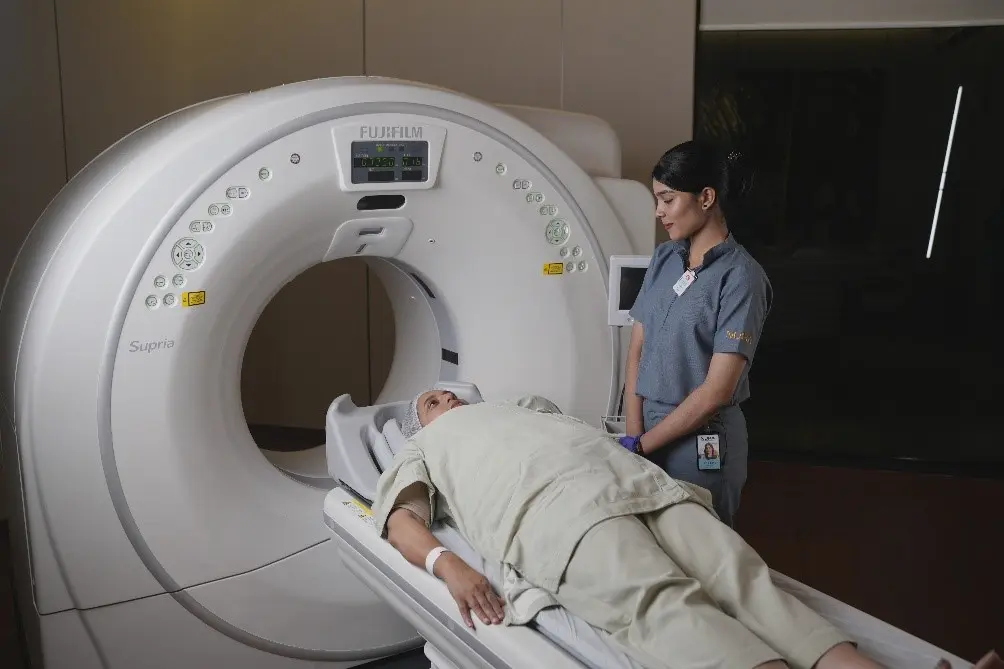
ULD-CT: 0.8mSv
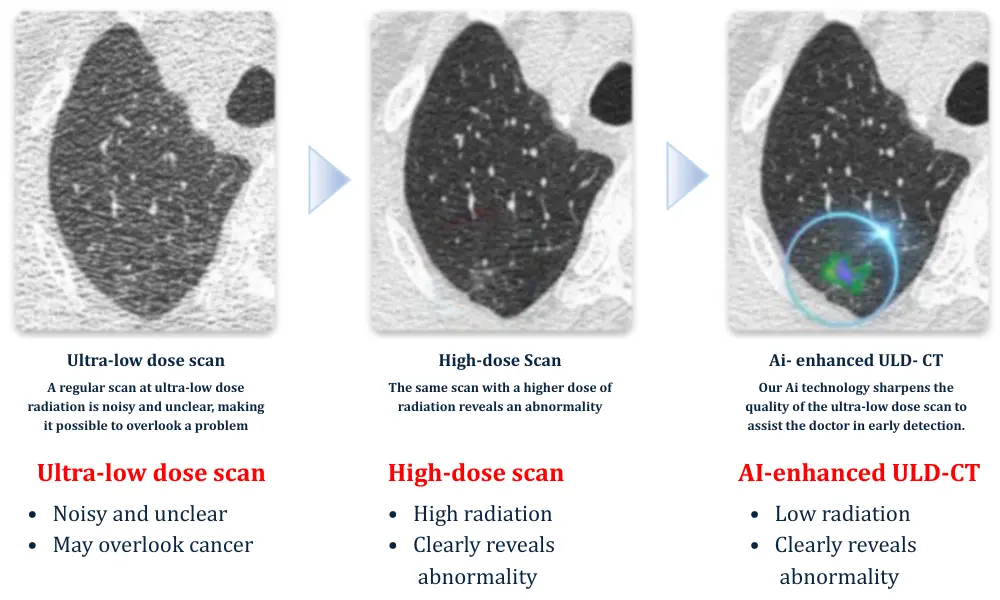
97% reduction in radiation dose
This technological advancement has profound implications for preventive healthcare. One of the primary objectives of health screening is consistency. Diseases such as lung cancer, coronary artery disease, fatty liver disease, and metabolic disorders often develop silently over several years before symptoms emerge. Regular screening enables physicians to detect these conditions at an early, more treatable stage. However, regular screening is only practical if the screening process itself remains safe for repeated use.
By dramatically lowering radiation exposure, NURA makes routine CT-based screening a far more viable option for healthy individuals seeking to monitor their long-term health. Individuals no longer have to choose between diagnostic accuracy and radiation safety. Instead, they benefit from both. The advantages extend beyond radiation reduction alone.
What Can Preventive CT Imaging Help Assess?
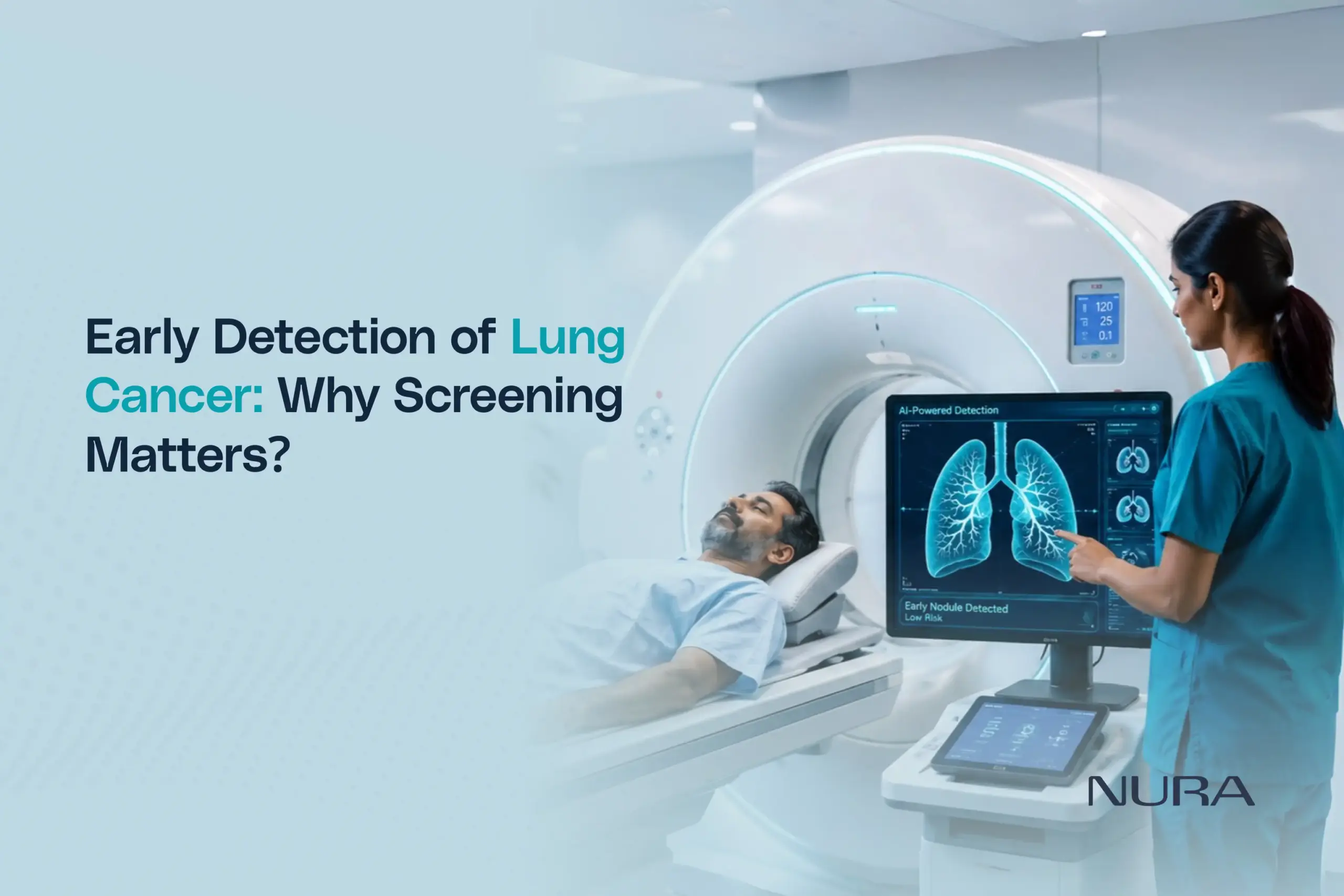
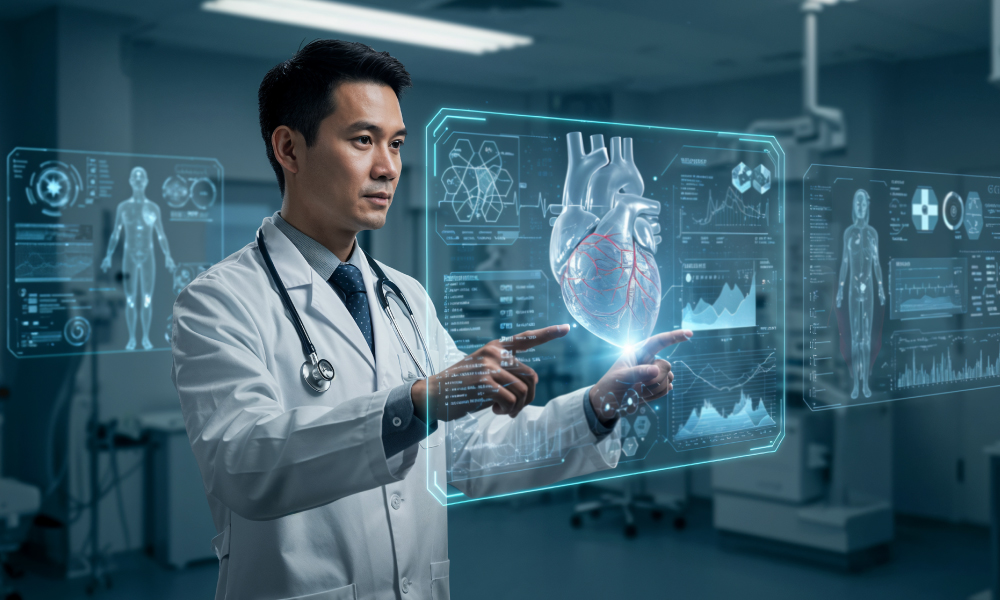
NURA integrates artificial intelligence across multiple organ systems to assist doctors in identifying a wide range of abnormalities, including lung nodules, coronary artery calcium, fatty liver disease, kidney abnormalities, and several forms of cancer.
This comprehensive approach enables a single preventive health assessment to provide valuable insights across numerous disease categories. The value of such comprehensive screening is becoming increasingly evident. Many serious diseases remain asymptomatic during their earliest stages, when treatment is often most effective. Detecting coronary artery calcification before a heart attack occurs or identifying a small lung nodule before it progresses into advanced cancer can dramatically alter a person’s prognosis. Preventive healthcare is no longer about simply confirming that an individual is healthy but about identifying invisible risks before they become life-threatening.
As healthcare continues to embrace precision medicine and preventive care, innovations that improve both safety and diagnostic capability will shape the future of routine health screening.


NURA’s Ultra-Low Dose CT represents one such innovation.
By overcoming one of the greatest barriers to preventive imaging, it enables individuals to undergo comprehensive health evaluations with greater confidence and peace of mind. NURA offers advanced health checkups in Bangalore, Mumbai, Gurugram, Hyderabad, Chennai, and Calicut, combining AI-powered technology with comprehensive preventive health screening.
In preventive healthcare, the best treatment is often the disease that never develops because it was detected in time. By making advanced screening safer, smarter, and more accessible, NURA is helping redefine what early detection can achieve, empowering people to take charge of their health long before illness begins.