Lung cancer is often called a “silent disease” because the symptoms may remain unnoticed until it reaches an advanced stage. By the time we realize the presence of persistent coughing, breathlessness, or chest pain, the cancer may have already spread, and treatment becomes more complex. This is why early detection of lung cancer has become important for improving chances for survival and reducing deaths related to cancer.
Lung Cancer: A Growing Global Health Concern
According to the latest reports of the World Health Organization (WHO), lung cancer remains the most commonly diagnosed cancer and one of the leading causes of cancer-related deaths worldwide. In the year 2022 alone, an estimated 2.5 million new lung cancer cases and 1.8 million deaths were reported globally. Even though the primary cause is tobacco use, issues like air pollution, occupational exposure to harmful substances, and genetic factors are also increasingly contributing to cases among non-smokers.
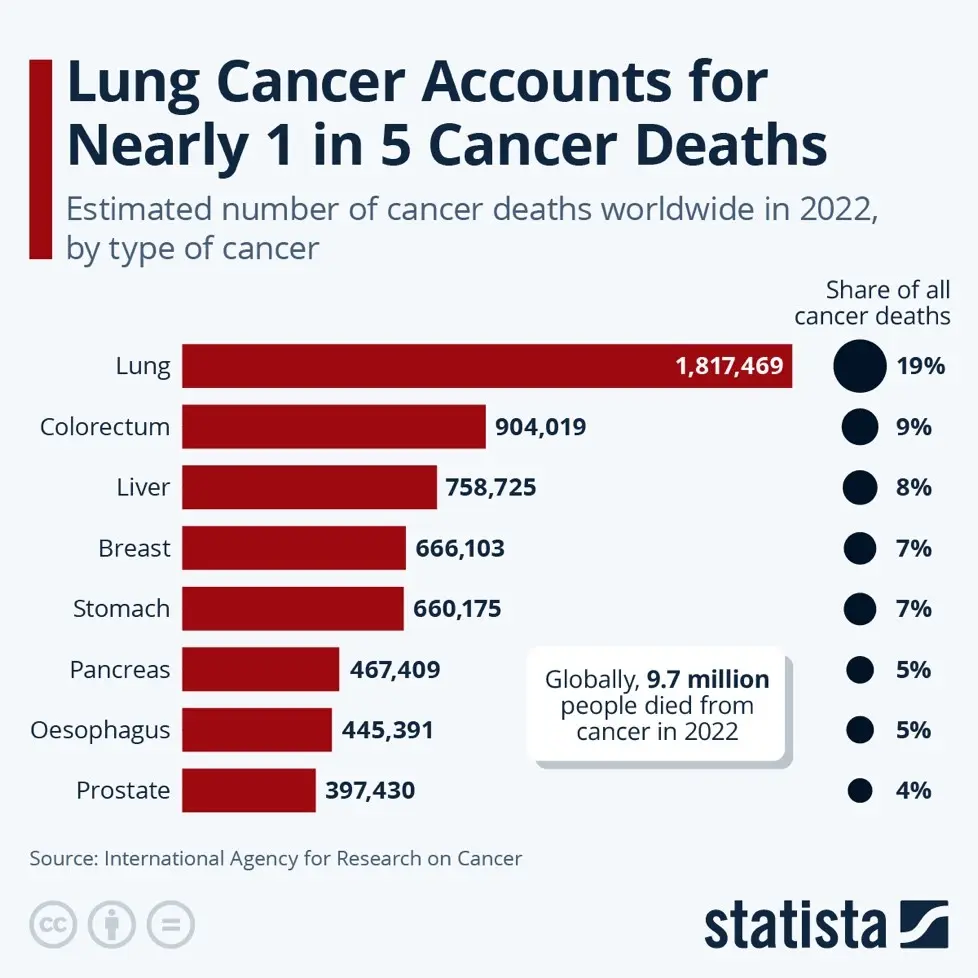
In India, the reporting of lung cancer is also steadily increasing. According to GLOBOCAN 2022, lung cancer is one of the leading cancers that affect Indian men and is also increasingly being diagnosed in women as well. Many people seek treatment when the symptoms become severe, and it is the biggest challenge in treating lung cancer because treatment options are fewer when the symptoms worsen. Despite the fact that there is a considerable amount of research data confirming the fact that early detection and treatment of lung cancer is critical for successful outcomes, the population lacks knowledge on screening and early treatment.
What Is Lung Cancer?
Lung cancer is a condition in which abnormal cells in the lungs begin to grow uncontrollably, resulting in the formation of a tumor that affects the normal functioning of the lungs. If it is left unrecognized and untreated, these cancer cells may spread to nearby tissues and other organs through the bloodstream or lymphatic system through the process of metastasis. The disease is broadly classified into two main types:
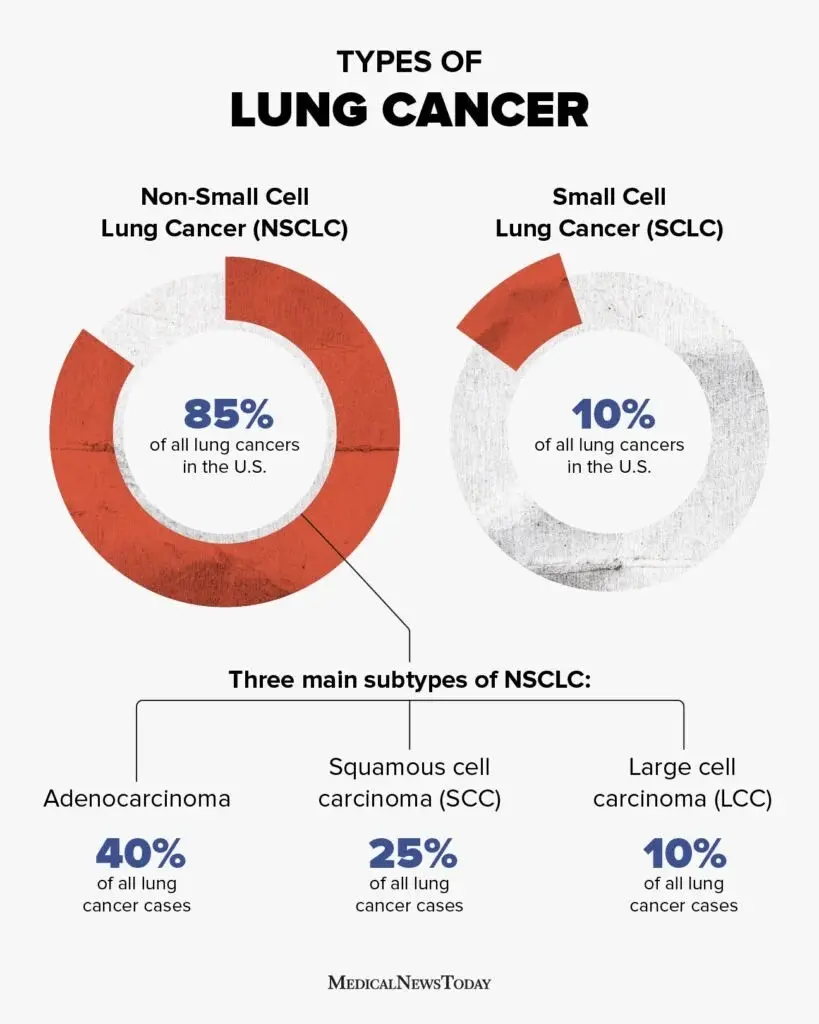
- Non-Small Cell Lung Cancer (NSCLC) which generally grows slowly and accounts for nearly 85% of all lung cancer cases
- Small Cell Lung Cancer (SCLC) which is a less common but highly aggressive type because it often spread rapidly to other parts of the body.
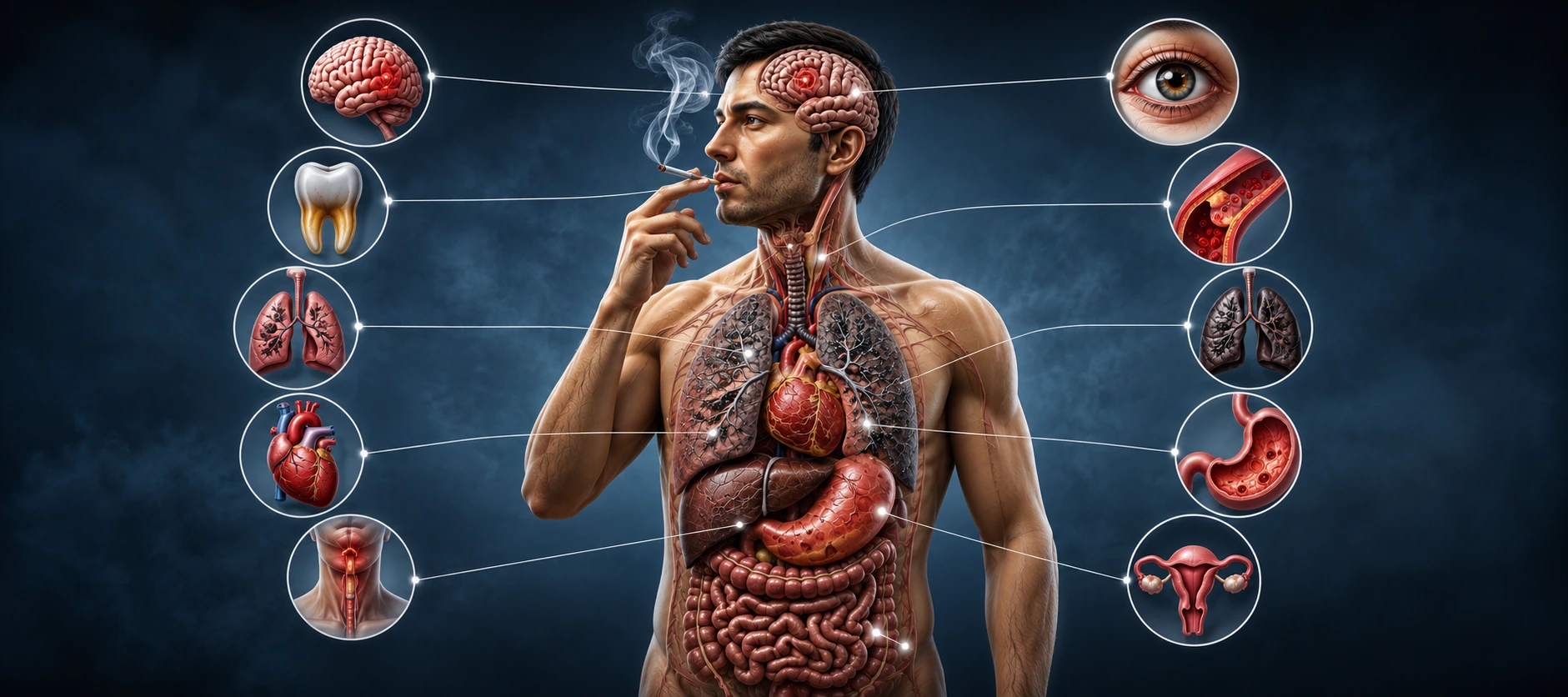
Although smoking remains the biggest risk factor, lung cancer can also affect people non-smokers due to the long-term exposure to air pollution, radon gas, asbestos, second-hand smoke, and certain genetic mutations. The stage of identifying lung cancer have an important role in choices of treatment and outcome.
How Lung Cancer Stage Affects Treatment
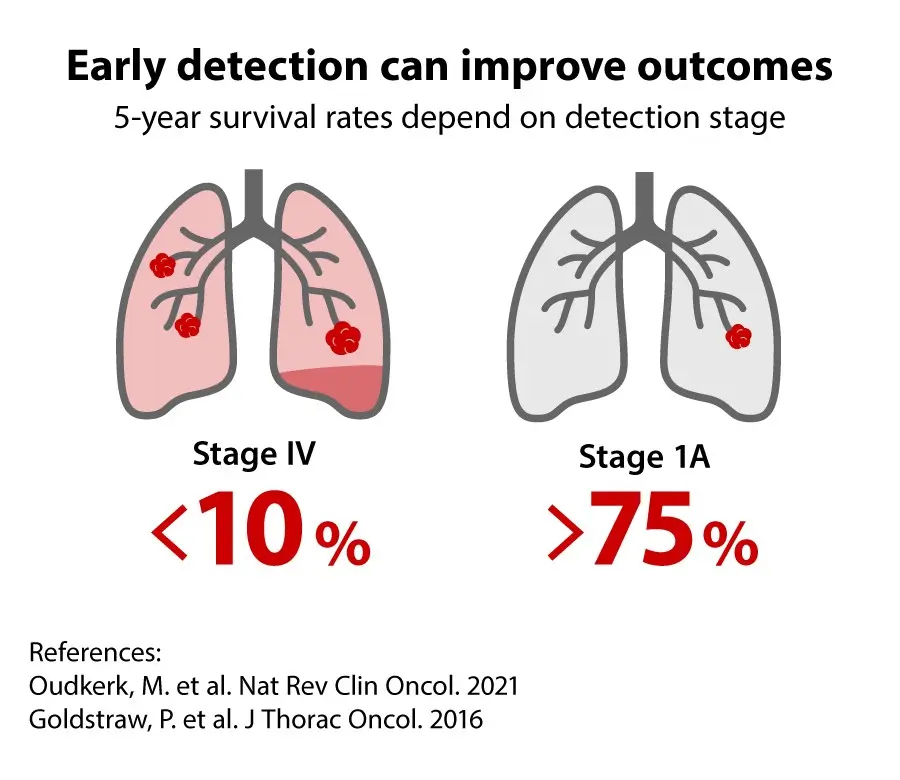
Early-stage lung cancers (Stages I & II) are generally localized within the lungs and the nearby lymph nodes. Some people may not show any symptoms at all, so only the routine tests will help to identify the presence those who are at high risk. With the localization of the disease, treatment becomes possible, sometimes leading to cure.
On the other hand, advanced lung cancer stages (III & IV) have already metastasized to other areas outside the lungs like the nearby tissues, as well as distant parts of the body such as the liver, bones, and brain. Treatment at this point would only aim to manage the illness and its symptoms. These differences in the chance for complete cure shows why early detection of lung cancer is important.
Why Early Detection of Lung Cancer Matters
The first problem connected to lung cancer is that it occurs in a symptom-free way. At its early stage, the majority of patients do not feel any symptoms of the disease. The first symptoms of lung cancer may include constant coughing, coughing up blood, chest pains, and unexpected weight loss. However, at the moment when people detect some symptoms, the disease is already in an advanced state.
Who Should Consider Screening
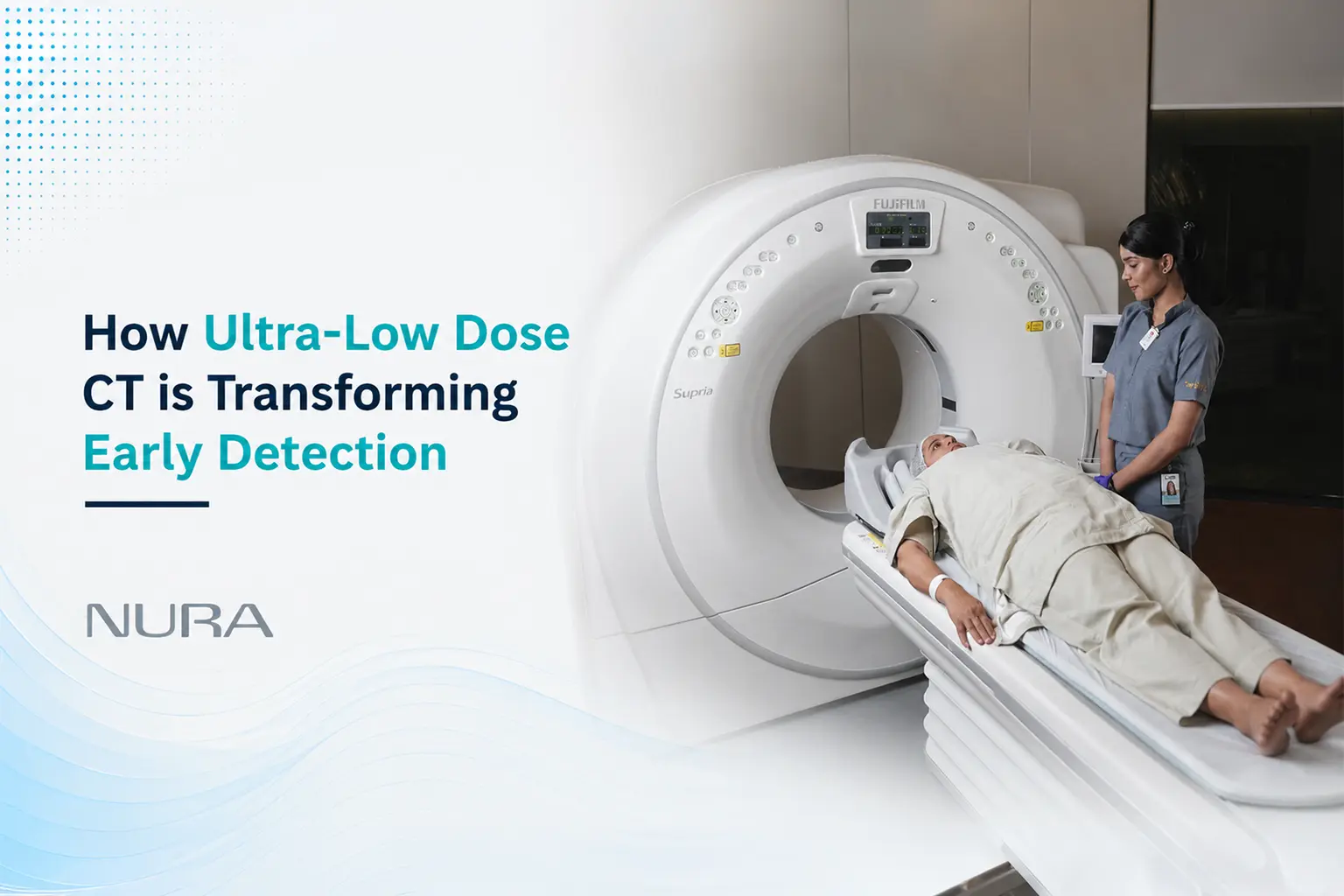
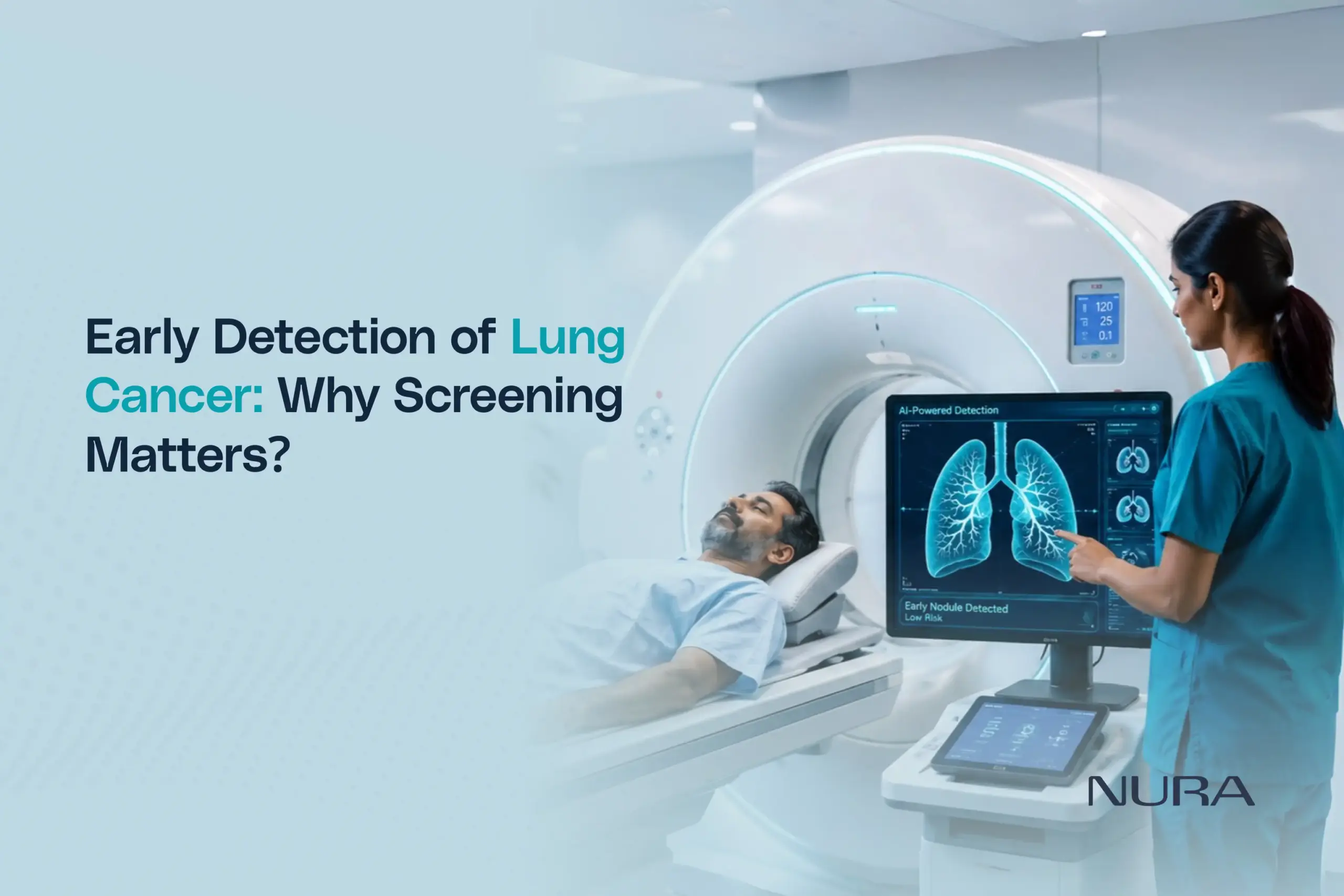
In the case when the lung cancer is detected at an early stage, the cancer has not spread beyond the lungs. Thus, it can be successfully treated with the help of surgery, targeted therapy, or radiation. At this stage, the diagnosis helps in the improvement of treatment success and may help in avoiding severe treatments. The medical evidence is strong regarding screening of people who are at risk. According to the results of the NLST and NELSON Trial, lung cancer death rates can be reduced with the help of screening of high-risk people through the use of Low-Dose Computed Tomography (LDCT). Unlike a regular CT scan, LDCT requires a very low dose of the radiation.
Despite being the number one cause of lung cancer, smoking is not the only risk factor that increases the likelihood of developing this type of disease. According to the International Agency for Research on Cancer (IARC), tobacco causes about 85% of lung cancers; however, non-smokers may also suffer from lung cancer. Long exposure to air pollution, second-hand smoke, radon gas, asbestos, silica, industrial chemicals, and some genetic risk factors may cause the development of lung cancer. In India, there is an increased problem with air pollution and occupational risk, making lung health an important public health issue. There are international recommendations on yearly LDCT screening in case of an adult patient’s high risk and especially if he/she has a heavy smoking history. Nevertheless, it is always essential to consider individual risks such as age, medical history, life habits, family history, environmental exposure, etc.
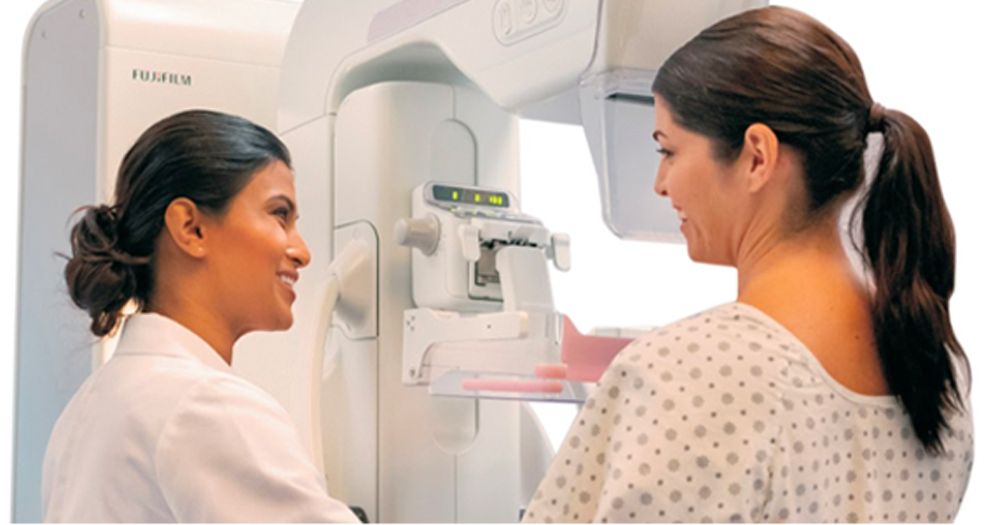
Lung assessment at NURA is done as a preventive measure. With the help of Ai imaging technology and the advanced diagnostic tools, NURA is able to detect any abnormalities early, which will help you get your medical checkup on time. Unlike symptomatic assessment that requires waiting for symptoms to develop, preventive screening allows you to make educated health-related decisions.
The Role of Ai in Lung Cancer Screening
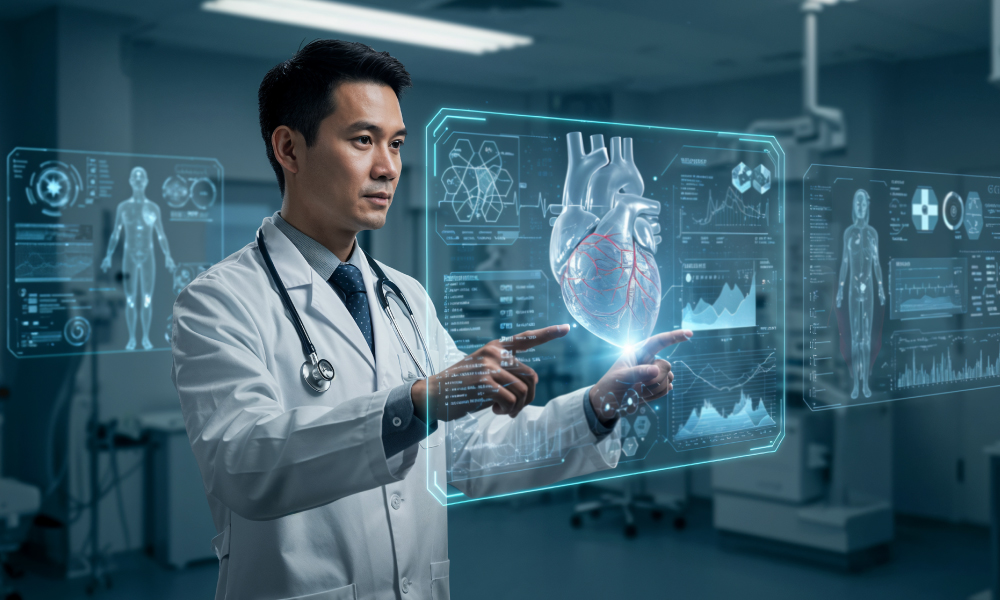
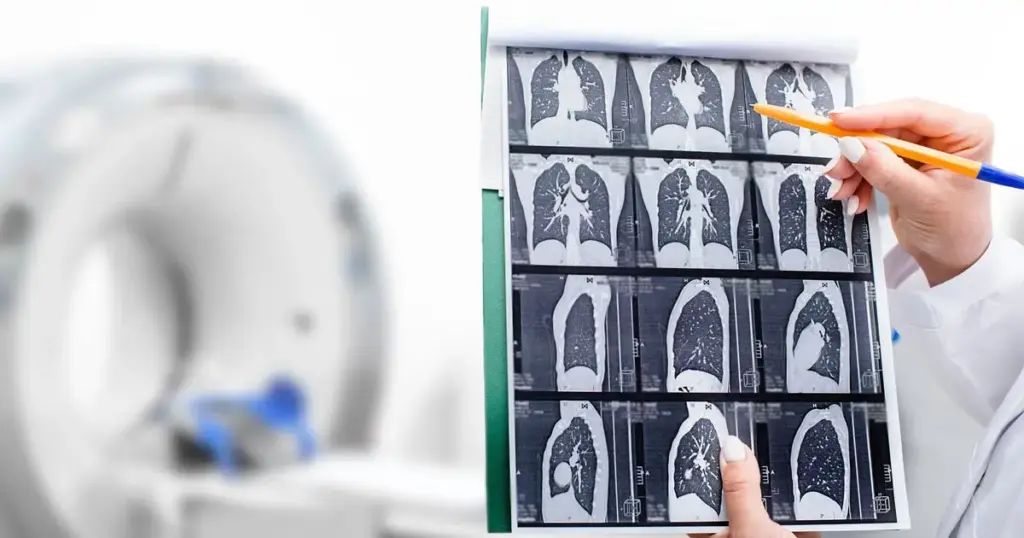
Recent advancements in artificial intelligence (Ai) are changing how healthcare providers detect diseases, including lung cancer. While performing a Low-Dose CT (LDCT) scan, very small changes called pulmonary nodules can be found. Although most nodules are not harmful, some need further monitoring or examination. The software, which uses artificial intelligence technology, helps radiologists interpret medical images, identify suspicious findings, and improves efficiency in workflow, helping doctors to examine the scan with more confidence. The fact that artificial intelligence technologies do not replace professional skills of medical practitioners needs to be mentioned. Every result of screening is being reviewed by highly qualified health care professionals taking into consideration patient’s history, results of imaging, and other diagnostic procedures in order to make a diagnosis and offer treatment.
Why Preventive Health Checks Matter
There are numerous advantages of lung cancer screening. Early detection of the disease increases number of treatment options and chances for recovery and reduces the need for aggressive therapy. At the same time there are certain drawbacks of the screening procedure. It should be kept in mind that not all abnormalities found during CT scan are lung cancer, and some findings will require further examinations.
In addition to screening, embracing healthy lifestyle changes is another great way of decreasing the risk of getting affected by the disease. It includes not smoking, avoidance of tobacco use in general, not being exposed to second-hand smoke, avoiding contact with harmful workplace chemicals, maintaining good indoor air quality, exercising and visiting preventive health care specialists.
Can Non-Smokers Develop Lung Cancer?
Although tobacco smoking is the leading risk factor for lung cancer, non-smokers can also develop the disease. Long-term exposure to second-hand smoke, air pollution, asbestos, diesel exhaust, welding fumes, and other occupational or environmental contaminants can increase risk. Family history and certain other medical or individual factors may also be relevant when assessing a person’s overall risk. This is particularly relevant when considering lung health in populations exposed to significant environmental or occupational risk factors. However, the presence of a risk factor does not mean that a person will necessarily develop lung cancer.
Lung Health Screening at NURA
The selection of the right healthcare specialist who will perform the prevention procedures is also an important step. NURA is using Ai-based diagnostics, imaging technologies and health assessment procedures in order to detect early many different health problems, among which there are lung-related ones. All the health screenings are analyzed by professional medical specialists who interpret all findings and make relevant suggestions.
Where Can You Get a Lung Health Screening at NURA?
NURA brings its Ai-powered preventive health screening approach to six locations across India, making advanced health screening accessible to people in different regions.
You can visit NURA for health screening in:
Individuals looking for a lung health checkup or considering lung cancer screening should discuss their personal risk factors with a healthcare professional to determine which screening or diagnostic approach is appropriate.
How Can You Reduce Your Lung Cancer Risk?
Screening is only one part of maintaining better lung health. Several lifestyle and environmental measures can also help reduce risk:
- Avoid smoking and tobacco products.
- Avoid exposure to second-hand smoke.
- Follow appropriate workplace safety measures when exposed to dust, asbestos, silica, or harmful chemicals.
- Maintain good indoor air quality.
- Stay physically active and maintain a healthy weight.
- Discuss your personal lung cancer risk with your healthcare provider.
- Follow recommended screening guidelines if you meet the eligibility criteria.
Early Detection Supports Better Health Decisions
Lung cancer does not always produce clear warning signs in its early stages, which is why understanding risk and following appropriate screening recommendations can be important. Early detection does not guarantee a cure, but identifying disease at an earlier stage can provide more opportunities for timely evaluation and treatment.
It should be mentioned that lung cancer is not associated with any clear warning signs and thus people can find themselves unprepared and not ready to start treatment. That is why it is essential to invest in preventive health care screenings in order to know more about the person’s health state.
Important Note
This article is intended for general informational purposes and should not be considered a substitute for professional medical advice, diagnosis, or treatment. Lung cancer screening recommendations can vary based on individual risk factors. Always consult a qualified healthcare professional before undergoing screening or making healthcare decisions.