Breast cancer is one of the most important health concerns affecting women worldwide. While advances in screening and treatment have improved outcomes, early detection remains one of the most important factors in managing the disease effectively. This Breast Cancer Awareness Month, the focus is on understanding why preventive screening matters in the long run. The theme for Breast Cancer Awareness Month 2026 is “Every story is unique, every journey matters,” as announced by the World Health Organization.
Early Detection: How it helps
Early detection means identifying breast cancer at an early stage, often before it has caused noticeable symptoms. This is where screening plays an important role.
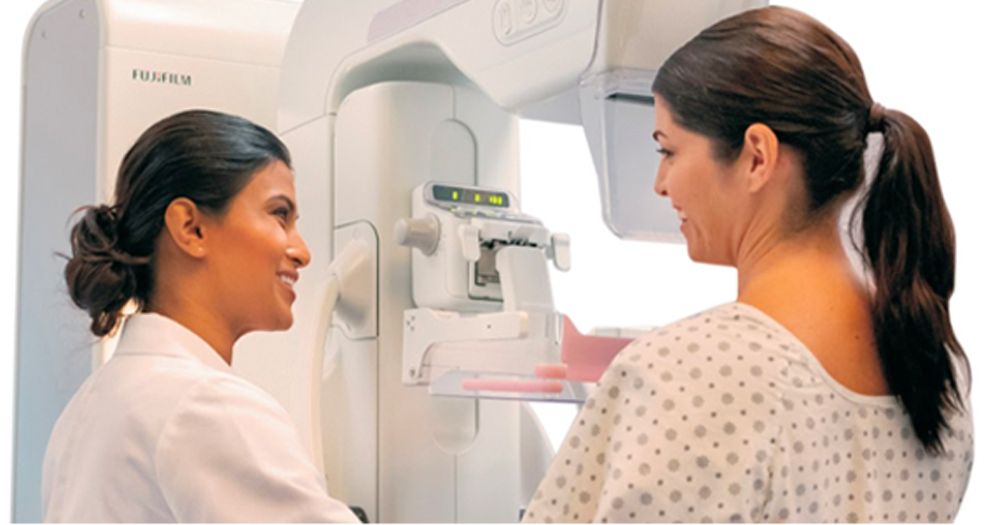
Breast cancer screening involves tests that look for signs of abnormality in the breast in people who may not have any symptoms. The goal is to identify potential changes as early as possible, when further evaluation and treatment, if needed, can be considered promptly.
This is different from finding breast cancer after symptoms have developed. A lump, change in breast shape or size, skin changes, nipple discharge or other unusual changes may lead someone to seek medical attention. While these signs should always be evaluated, screening aims to look for possible abnormalities before such symptoms appear.
An important point to understand is that breast cancer screening does not, by itself, diagnose cancer.
A screening test may identify an area that requires a closer look. An abnormal screening result does not necessarily mean that a person has breast cancer. Instead, additional assessment may be recommended. This could involve further imaging or other tests, depending on the findings and the individual’s circumstances.
Why Does Early Detection Matter?
When breast cancer is detected early, it may be more manageable, and treatment options may be more effective. Early detection can also help identify the disease before it has had the opportunity to spread to other parts of the body.
This is why screening is an important part of preventive health. It provides an opportunity to identify potential concerns at a stage when a person may feel completely healthy and have no obvious symptoms.
There is no single screening approach that is right for everyone. Age, family history, personal health history and other risk factors can influence when and how often screening may be appropriate. Understanding your individual risk factors and following appropriate screening recommendations can make a meaningful difference.