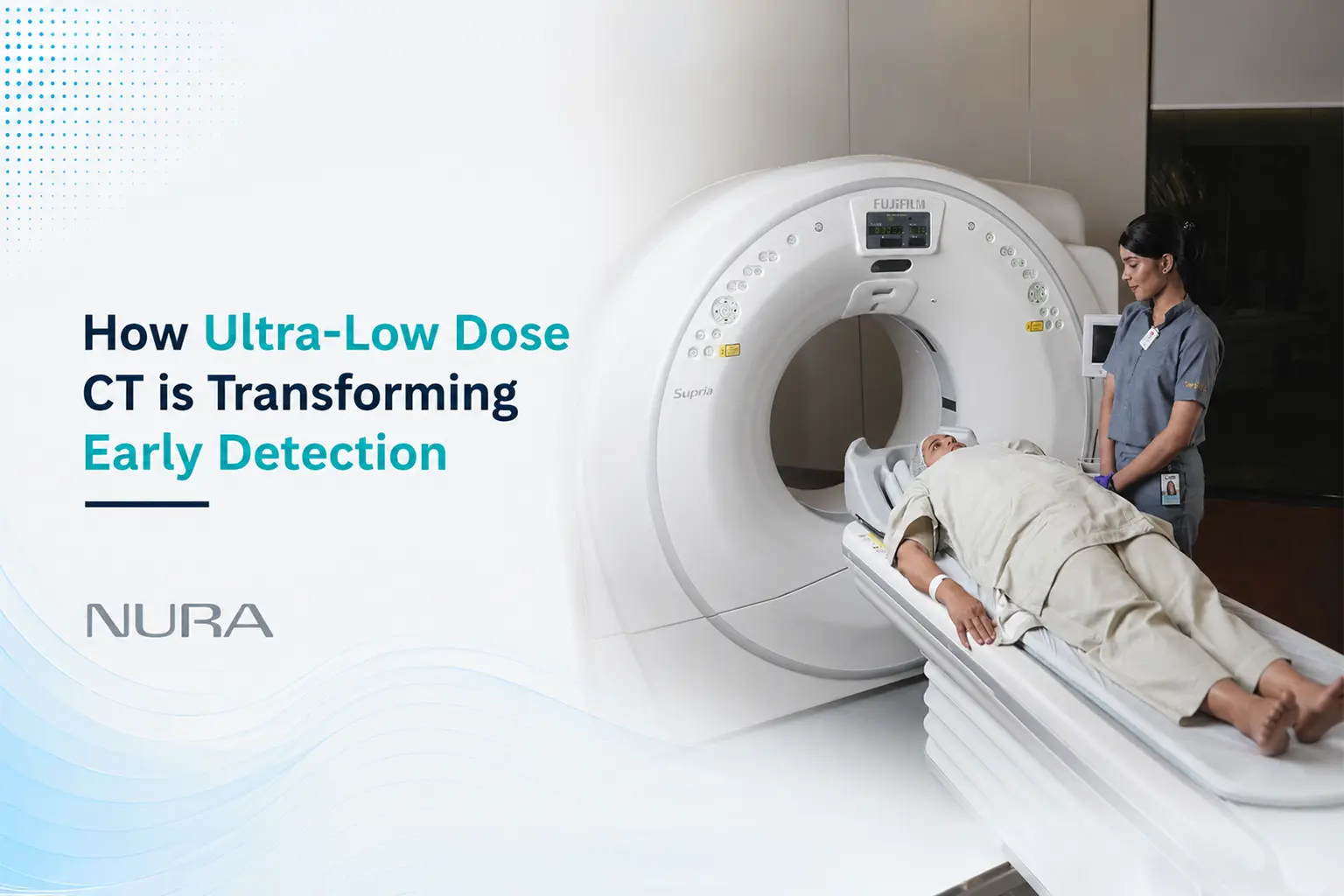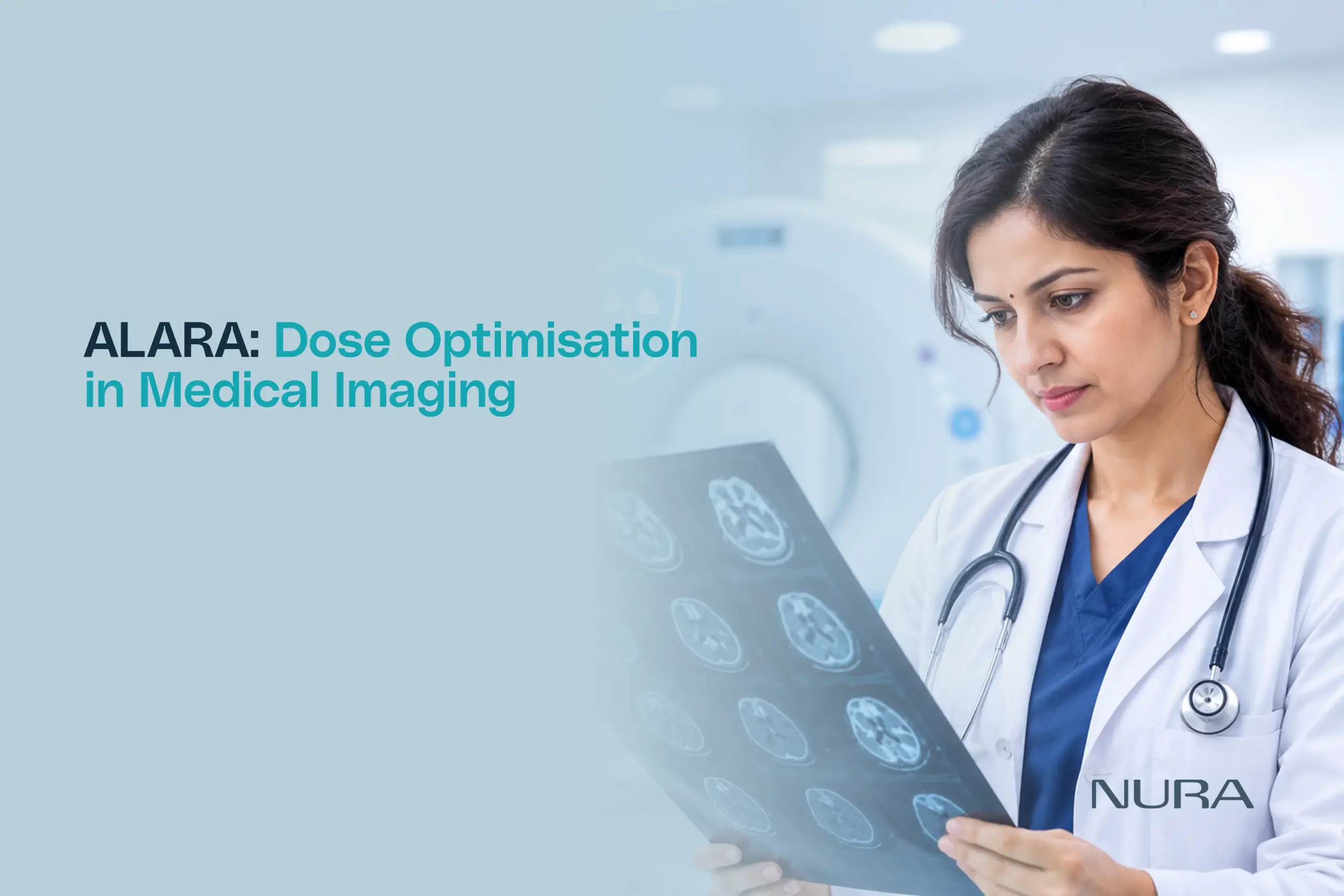
Medical imaging plays an important role in early detection and preventive healthcare. However, examinations such as CT scans use ionising radiation, making radiation dose optimisation an essential part of responsible imaging. One of the guiding principles behind this is ALARA: As Low As Reasonably Achievable.
Understanding ALARA
ALARA is a fundamental principle of radiation protection that aims to keep radiation exposure as low as reasonably achievable, taking technical, economic and societal considerations into account. In medical imaging, this means using the lowest radiation exposure reasonably necessary to obtain the information required for the intended medical purpose.
The objective is not simply to achieve the lowest possible dose. If radiation exposure is reduced to a level that compromises image quality, the examination may no longer provide adequate information. Equally, any additional exposure that does not contribute meaningful information should be avoided.
This balance is central to dose optimisation. Before an examination involving ionising radiation is performed, it must be justified by its intended purpose. Once justified, the next step is to determine whether the required information can be obtained with less radiation. ALARA primarily guides this second step, encouraging the continuous review and improvement of imaging protocols.
How technology is advancing dose optimisation
ALARA is not a fixed dose or a one-time achievement. As imaging technology evolves, opportunities emerge to reduce radiation exposure while maintaining the information needed for the examination. Improvements in detectors, automatic exposure control and image reconstruction have all contributed to this progress.
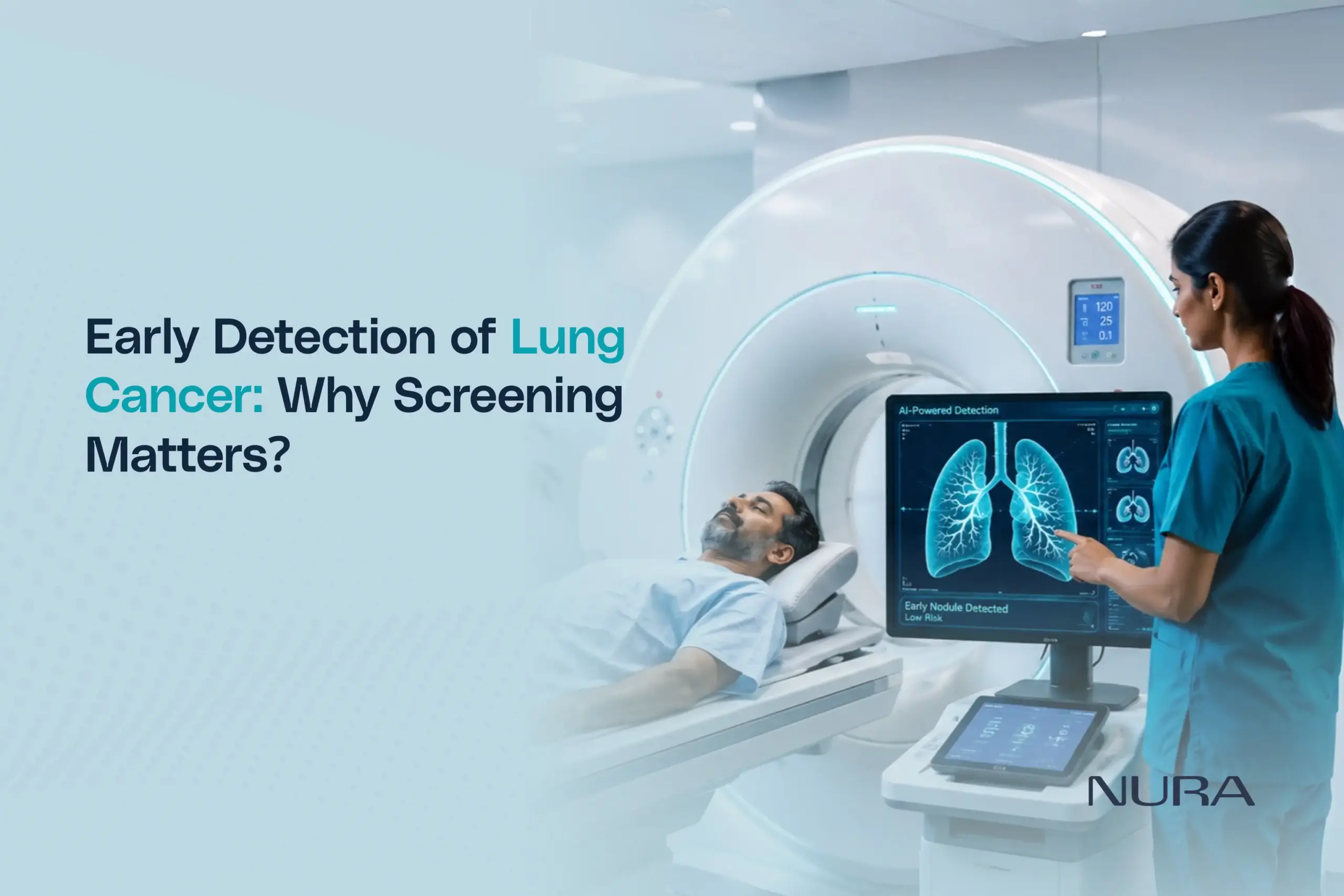
Artificial intelligence (Ai) is opening up further possibilities. In CT imaging, reducing radiation exposure can increase image noise and affect image quality. Ai-assisted reconstruction and denoising techniques can help preserve useful image information from lower-dose acquisitions. When appropriately validated for the intended imaging task, these technologies can help reduce radiation exposure without compromising the quality of information required. Their value lies not merely in producing clearer images, but in potentially enabling the same imaging objective to be achieved with less radiation.
NURA’s approach to ALARA
For NURA, radiation dose optimisation is an important part of the screening model. Rather than treating an already-low radiation dose as the end goal, NURA continues to explore ways to reduce exposure while retaining the information required for screening.
A recent example is the development of a new Ai algorithm that enables information previously obtained through two acquisitions to be captured in a single acquisition. By eliminating the additional acquisition, NURA has achieved an approximately 20% reduction in radiation dose compared with its previous protocol. This development illustrates how ALARA can be put into practice: reassessing what is necessary, applying technological improvements and reducing avoidable exposure whenever technically feasible.
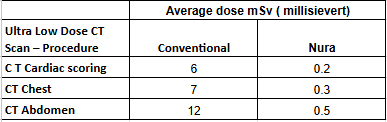
At Nura Ai technology is able to sharpen the quality of the Ultra low dose scan to assist the Doctor in early detection.
Ultimately, radiation dose optimisation is a continuous process. As technology advances, imaging protocols must evolve with it. For NURA, the goal is not simply to maintain a low radiation dose, but to keep improving how screening information is obtained while making radiation protection a priority.