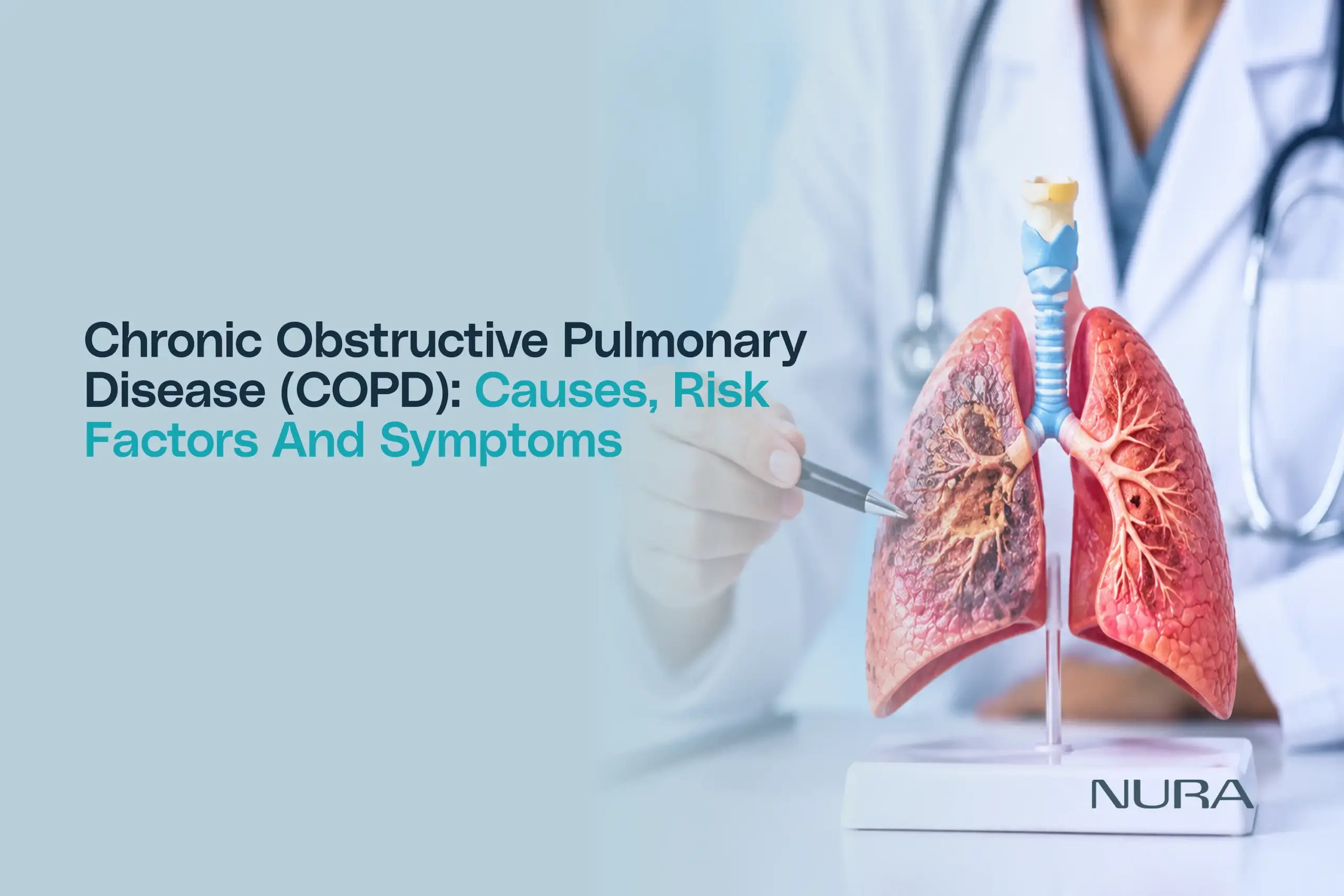
Chronic obstructive pulmonary disease (COPD) is a long-term lung condition that affects breathing by restricting airflow into and out of the lungs. It develops gradually and can make everyday activities, such as walking, climbing stairs or performing household tasks, increasingly difficult. Understanding the chronic obstructive pulmonary disease causes, recognising early symptoms and seeking timely medical evaluation can help people manage the condition and protect their lung health.
COPD is a significant global health concern, particularly among individuals exposed to tobacco smoke, air pollution and occupational lung irritants. Although the condition cannot currently be cured, appropriate treatment and lifestyle modifications can help control symptoms and improve quality of life.
What Is Chronic Obstructive Pulmonary Disease (COPD)?
COPD refers to a group of progressive lung disorders characterized by difficulty in breathing. The two primary types of disorders linked with COPD are:
- Chronic Bronchitis: A disorder resulting in inflammation of the bronchial tubes. These are tubes that transport air in and out of the lungs. Patients usually suffer from coughing and secretion of excess mucus.
- Emphysema: A disorder that is characterized by the destruction of alveolar walls in the lungs. The destruction of walls results in decreased breathing efficiency due to reduced surface area.
Most people suffering from COPD have both conditions. As the disease advances, symptoms of breathing problems may begin to emerge.
Chronic Obstructive Pulmonary Disease Causes
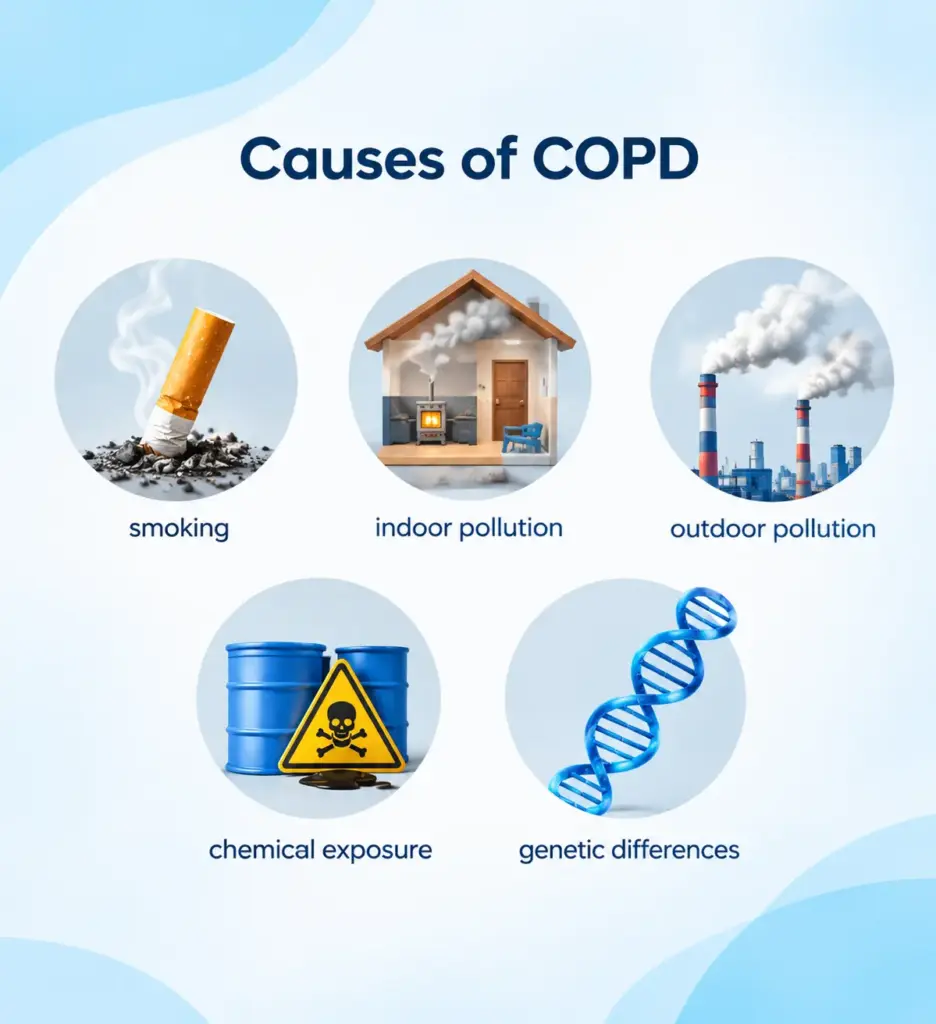
COPD usually develops following prolonged exposure to substances that irritate and damage the airways and lung tissues. The most common chronic obstructive pulmonary disease causes include the following:
1. Smoking and Tobacco Use
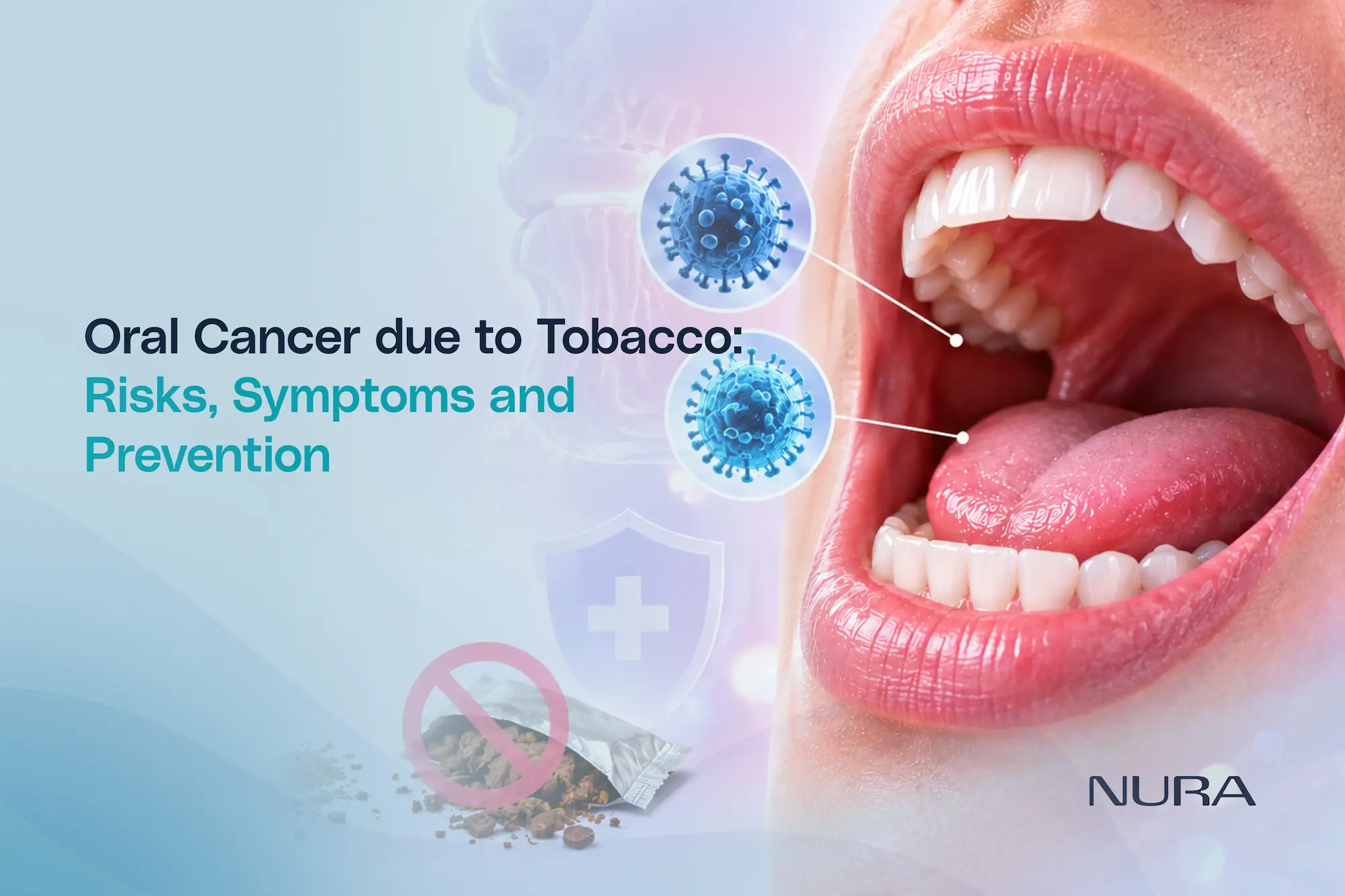
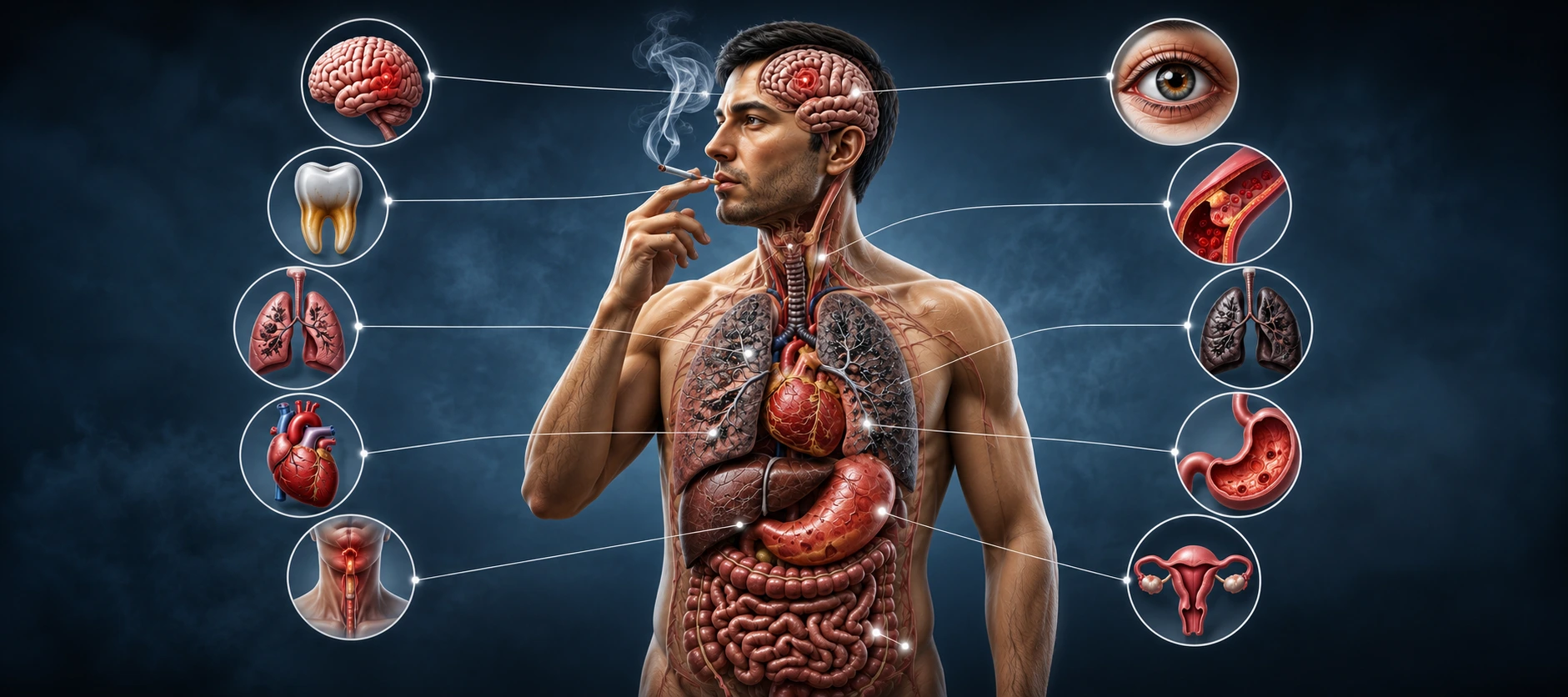
Smoking of cigarettes is one of the primary factors causing COPD. Cigarettes contain numerous substances which irritate and cause inflammation of air passages and destruction of lung tissues.
Constant smoking destroys the elastic fibers in the lungs and damages alveoli as well as leads to increased production of mucus. As a result of these processes, airflow is restricted.
Risk factor is usually dependent on the duration and frequency of smoking of tobacco products. Other types of smoking like cigars or pipes can also cause damage to lungs.
2. Second-Hand Smoke Exposure
Even people that do not smoke can suffer from COPD due to their consistent exposure to secondhand smoke. Passive smoking refers to breathing in the smoke produced by cigarettes or other tobacco products or by smokers themselves.
Regular exposure at home, workplaces or public environments can irritate the respiratory system and increase the risk of developing chronic lung conditions
3. Air Pollution
Long-term exposure to indoor and outdoor air pollution is another important risk factor for COPD. Outdoor pollutants, including vehicle emissions, industrial smoke and particulate matter, can enter the respiratory system and cause inflammation.
Indoor air pollution may result from cooking or heating with solid fuels such as wood, coal and biomass, particularly in poorly ventilated spaces. Repeated exposure to these pollutants can contribute to chronic respiratory problems.
4. Occupational Exposure
Some occupations entail constant contact with substances that can potentially harm lung tissue. Employees in construction sites, mines, factories, farms, and textile mills may be exposed to dangerous dust, chemicals, and gasses.
If there is no proper protective gear worn and adequate ventilation in the working place, the exposure may cause COPD even in people who have never smoked before.
5. Genetic and Other Risk Factors
Even though environmental exposure is a significant factor, there are genetic causes that can predispose someone to COPD as well.
An example is the presence of alpha-1 antitrypsin deficiency, which is a genetic cause that can result in damage to the lungs leading to COPD.
Other risk factors include respiratory infections in childhood, a past case of asthma, lung development problems, and exposure to lung irritants.
Common Symptoms of COPD
COPD symptoms often develop gradually. Many people initially mistake the early signs for normal ageing, reduced physical fitness or recurring respiratory infections. Recognising these symptoms is important for seeking timely medical attention.
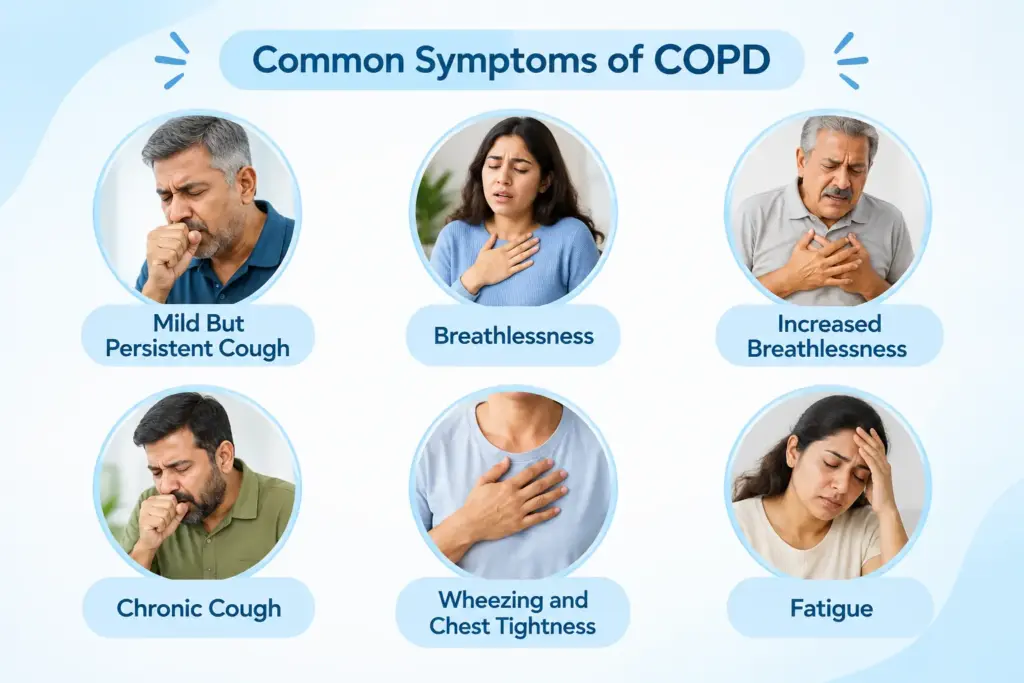
Common COPD symptoms include:
- Persistent cough: A cough that continues over an extended period, sometimes accompanied by mucus or phlegm.
- Shortness of breath: Difficulty breathing, particularly during physical activities such as walking or climbing stairs.
- Wheezing: A whistling sound while breathing, caused by narrowed airways.
- Excess mucus production: Frequent coughing to clear mucus from the respiratory tract.
- Chest tightness: A sensation of pressure or discomfort in the chest.
- Frequent respiratory infections: Repeated chest infections or episodes of worsening respiratory symptoms.
- Fatigue: Reduced energy levels due to the increased effort required for breathing.
As COPD progresses, individuals may experience breathlessness even during routine activities or while resting. Sudden worsening of symptoms, known as an exacerbation, may require immediate medical attention.
When Is Lung Screening Appropriate?
One must know that lung cancer and COPD screenings are two different things. Screening for COPD is usually not needed in individuals who do not suffer from respiratory symptoms. But if an individual suffers from persistent cough, breathlessness or wheezing, especially if he/she had smoked for a long time or had any other risk factor such as chronic exposure to lung irritants, one needs to go through medical examination and may need spirometry as well.
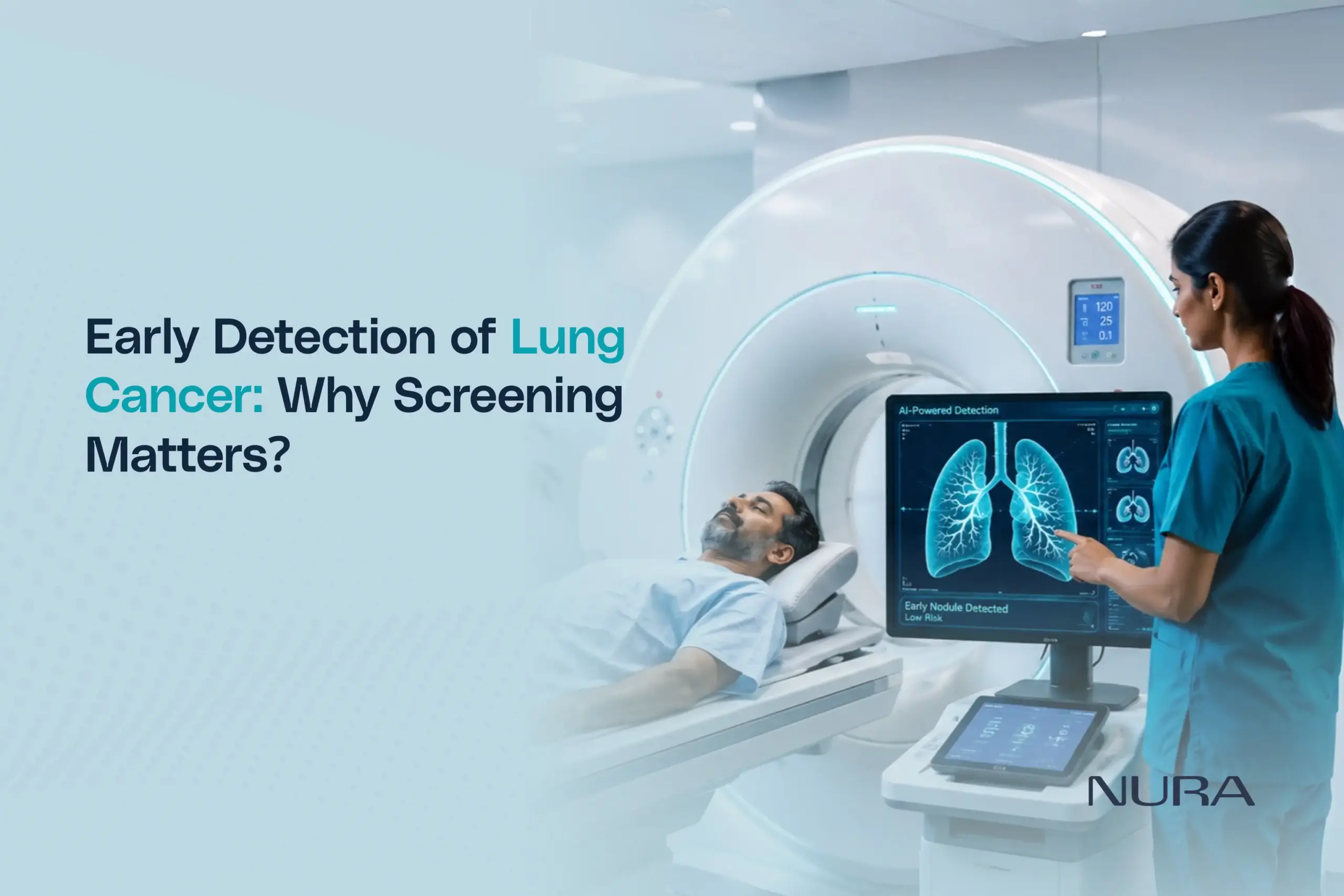
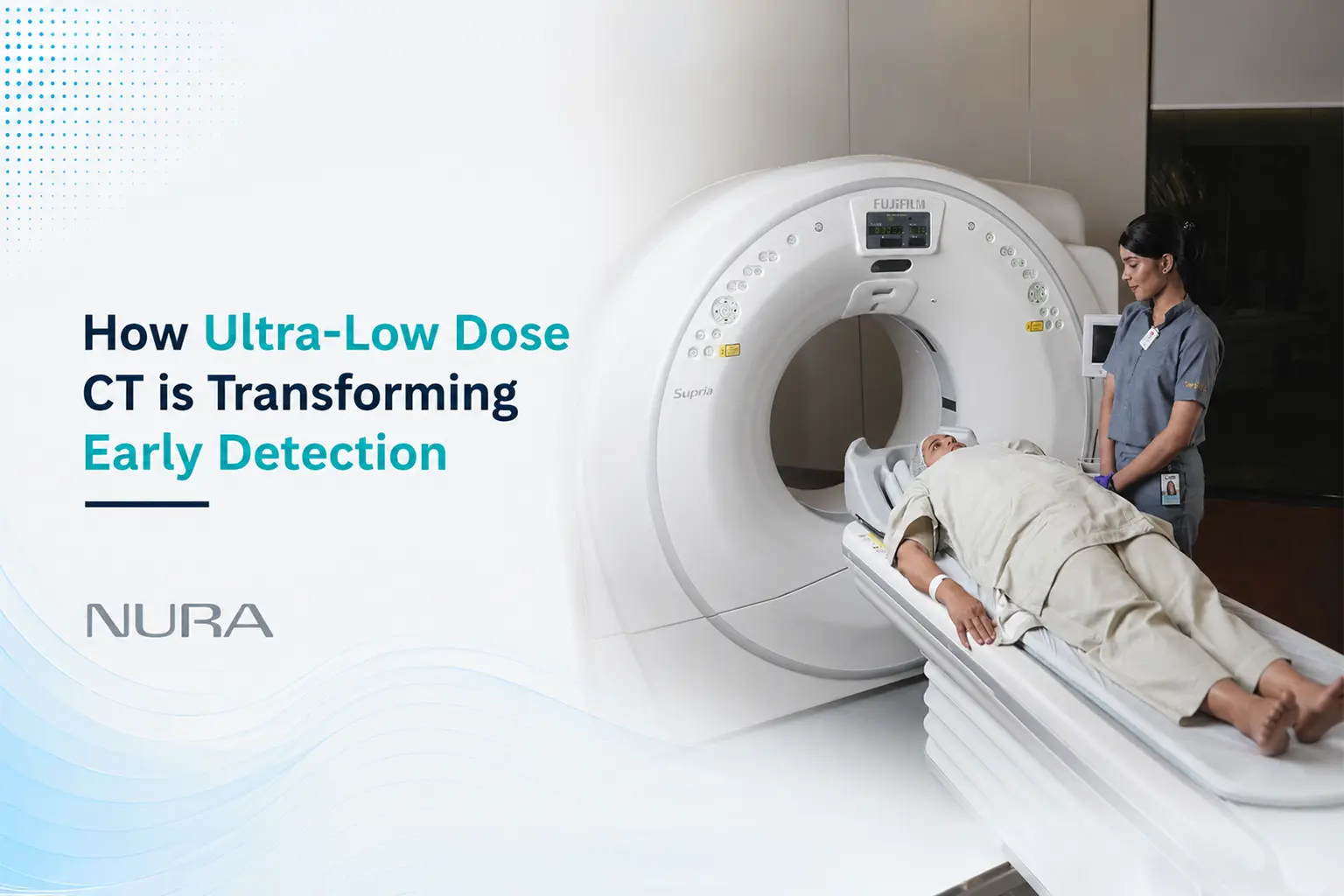
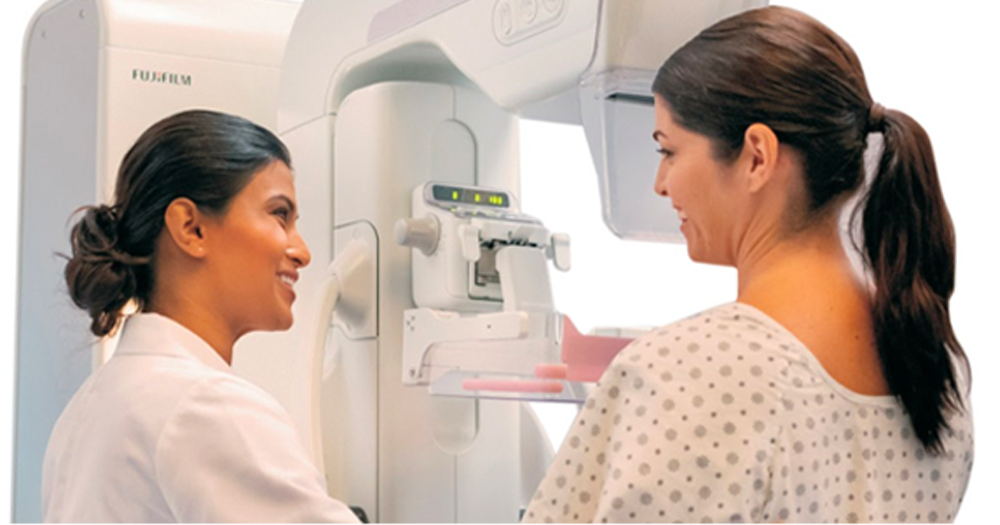
As for lung cancer screening, it is something else. Depending on the age of a person and his/her risk factors such as smoking habit, low-dose computed tomography can be prescribed to some people.
A history of COPD alone does not automatically mean that someone requires lung cancer screening. A healthcare professional can assess individual risk factors and determine whether further screening is appropriate.
Importance of Smoking Cessation and Early Medical Intervention
Smoking cessation is one of the most important steps in preventing further lung damage and managing COPD. Quitting smoking can help slow the decline in lung function and improve overall respiratory health. Other important preventive measures include:
- Avoiding exposure to second-hand smoke.
- Reducing contact with dust, chemical fumes and other respiratory irritants.
- Improving indoor ventilation and reducing exposure to household air pollution.
- Using appropriate respiratory protective equipment in occupational settings.
- Maintaining regular physical activity as advised by a healthcare professional.
- Staying up to date with recommended respiratory vaccinations.
- Attending regular medical follow-ups and following prescribed treatment.
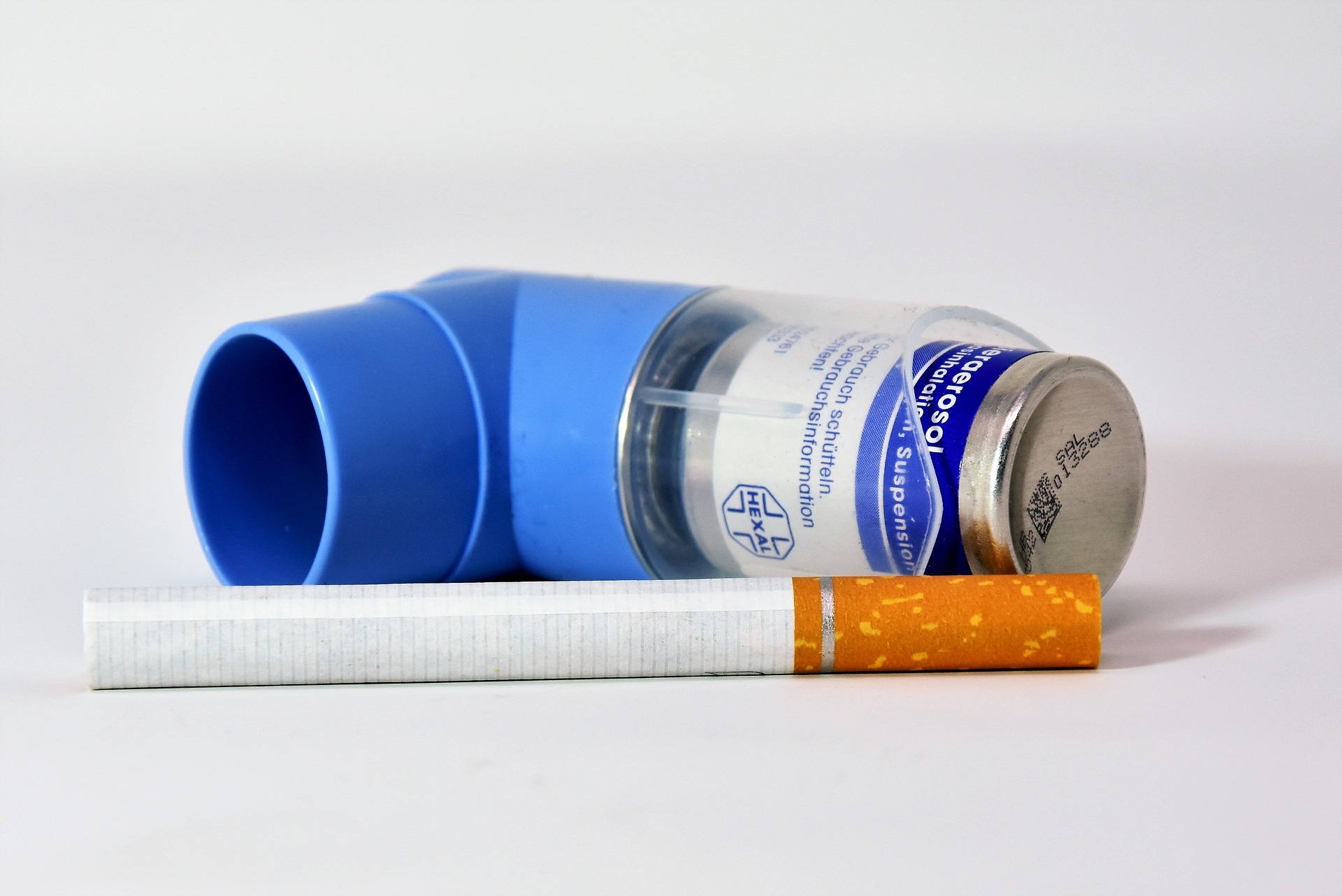
For individuals already diagnosed with COPD, appropriate medications, inhaler therapy, pulmonary rehabilitation and lifestyle modifications can help manage symptoms and improve daily functioning.
Protect Your Lung Health through Early Evaluation
Chronic obstructive pulmonary disease is a progressive condition, but understanding its causes, recognising early symptoms and seeking timely medical evaluation can make a meaningful difference in managing the disease.
Persistent coughing, wheezing, excessive mucus production or unexplained breathlessness should not be ignored, particularly among individuals with a history of smoking or prolonged exposure to environmental pollutants.
If you experience ongoing respiratory symptoms or have concerns about your lung health, consult a qualified healthcare professional. At Nura, the health checkup center in Mumbai, Bengaluru, Gurugram, Hyderabad, Calicut, and Chennai, we believe in the importance of proactive healthcare, early evaluation, and informed medical decisions. Taking the right steps towards understanding your respiratory health can help you protect your lungs and improve your overall quality of life.