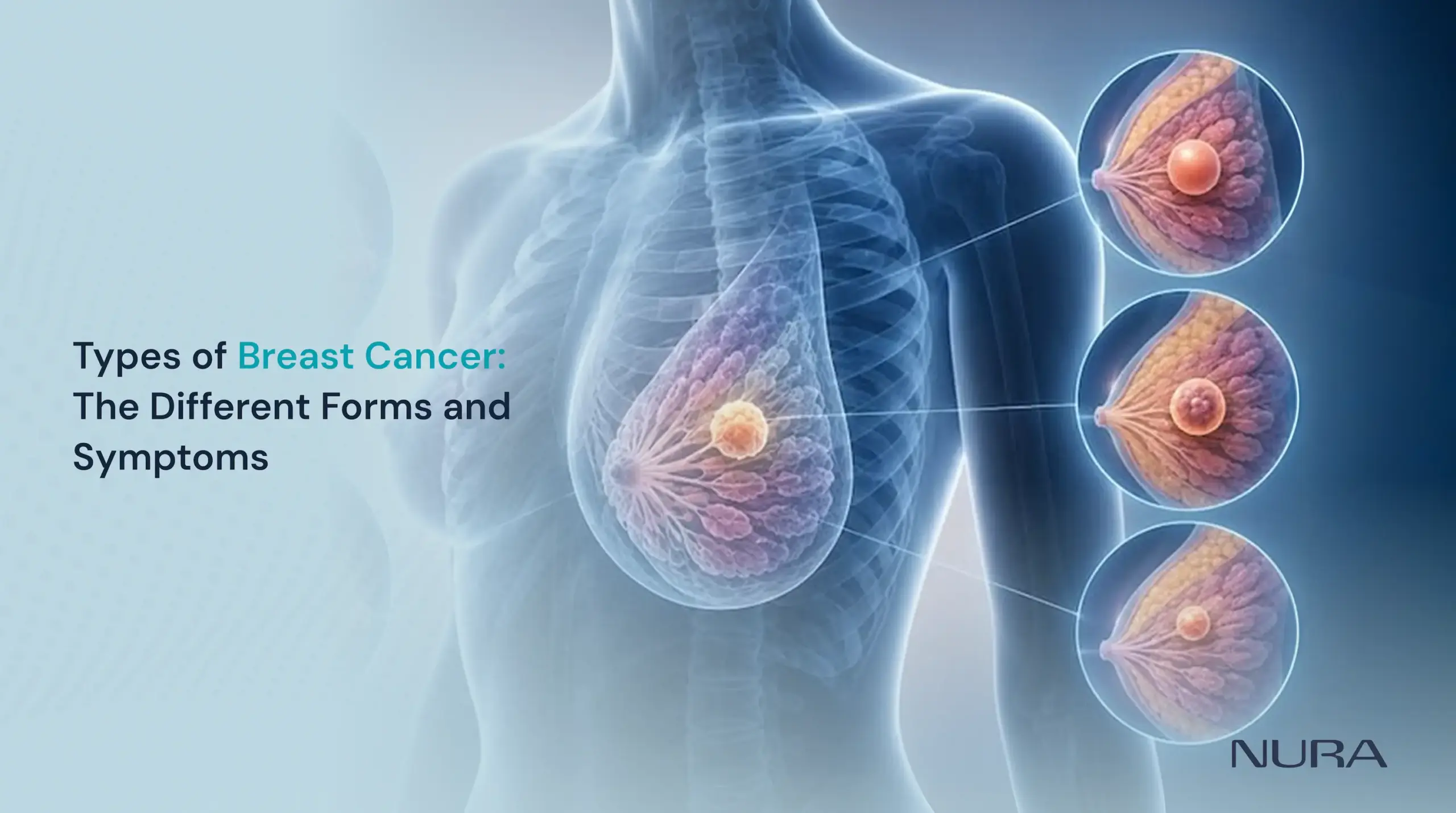
Breast cancer is a type of cancer which is one of the most prevalent forms among women around the world. Nevertheless, all types of breast cancer are different from each other due to the various origins, spread within the breast tissue, and biological factors that affect the treatment process. The knowledge about different types of breast cancer might help people to identify the signs of the disease.
According to the World Health Organization (WHO), approximately 2.3 million women were diagnosed with breast cancer in 2022. Early detection, accurate diagnosis and appropriate treatment are important for improving outcomes.
What Is Breast Cancer?
Classification of different forms of breast cancer may depend on the ability of abnormal cells to spread to other areas.
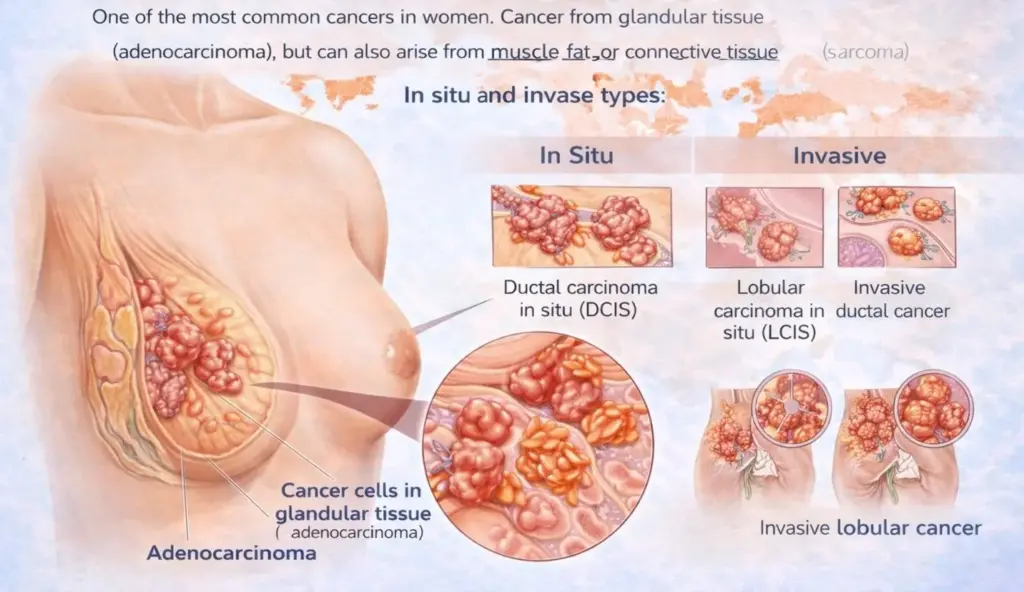
Non-invasive or in situ breast cancer includes abnormal cells which remain in the milk ducts or lobules. One common example is ductal carcinoma in situ (DCIS). The term DCIS does not mean that the cancer has invaded surrounding tissues. However, some patients with DCIS can develop invasive cancer.
When the cancer grows from the milk ducts or lobules into surrounding breast tissue, the condition becomes known as invasive breast cancer. Examples include invasive ductal carcinoma and invasive lobular carcinoma. While it is possible for these cancers to spread to lymph nodes or other organs, this may not always be the case.
It is necessary to distinguish between these cancers since they have a different extent of invasion and biological features.
Major Types Of Breast Cancer
1. Ductal Carcinoma In Situ (DCIS)
Ductal carcinoma in situ (DCIS) is an early-stage breast cancer characterized by presence of abnormal cells that are contained within the lining of the milk ducts only. These cells have not invaded or spread into the adjacent breast tissues.
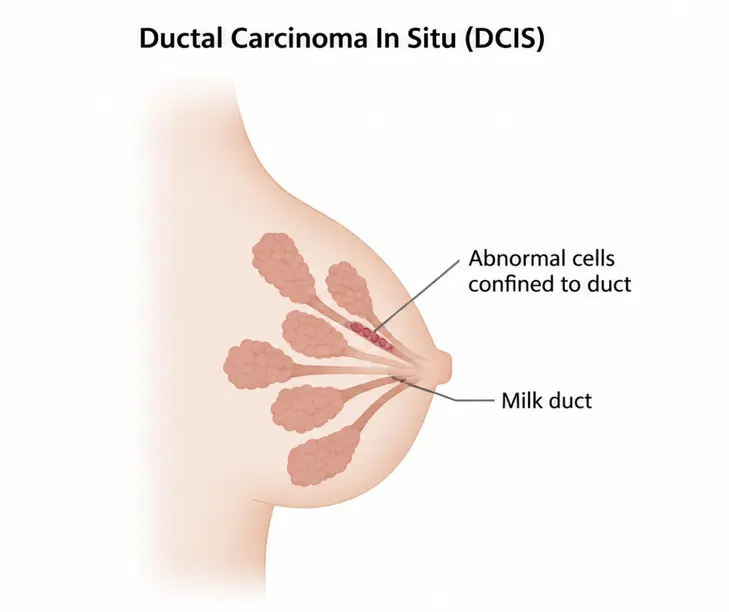
In most instances, DCIS may not cause any symptoms. It can be discovered through regular mammogram even before any symptoms occur. In other situations, a woman may have a breast lump or discharge from the nipple but not necessarily DCIS.
Despite being non-invasive, some cases of DCIS may advance into invasive breast cancer. However, chances of advancement of DCIS differ, making a medical evaluation necessary.
2. Invasive Ductal Carcinoma (IDC)
Invasive ductal carcinoma, also called invasive breast carcinoma of no special type in many pathology reports, is the most common type of invasive breast cancer. It begins in the milk ducts and grows into the surrounding breast tissue.
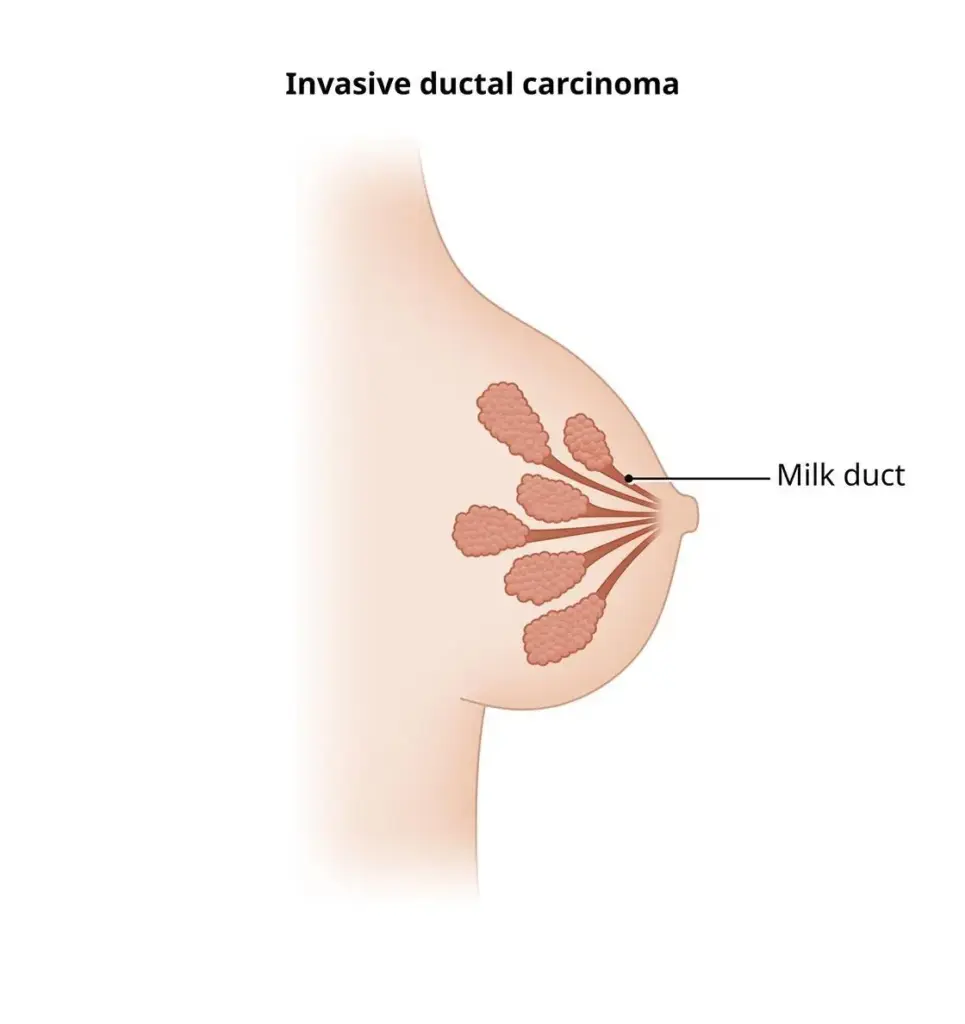
Possible symptoms include:
- A new lump or thickened area in the breast.
- A change in breast size or shape.
- Skin dimpling or changes in texture.
- Nipple inversion or unusual discharge.
Invasive ductal carcinoma can spread to nearby lymph nodes and, in some cases, other parts of the body. However, the extent of spread varies, and early diagnosis can improve treatment options.
3. Invasive Lobular Carcinoma (ILC)
Invasive lobular carcinoma starts within the lobules, the glands that make milk in the breast, and then extends to the surrounding tissue.
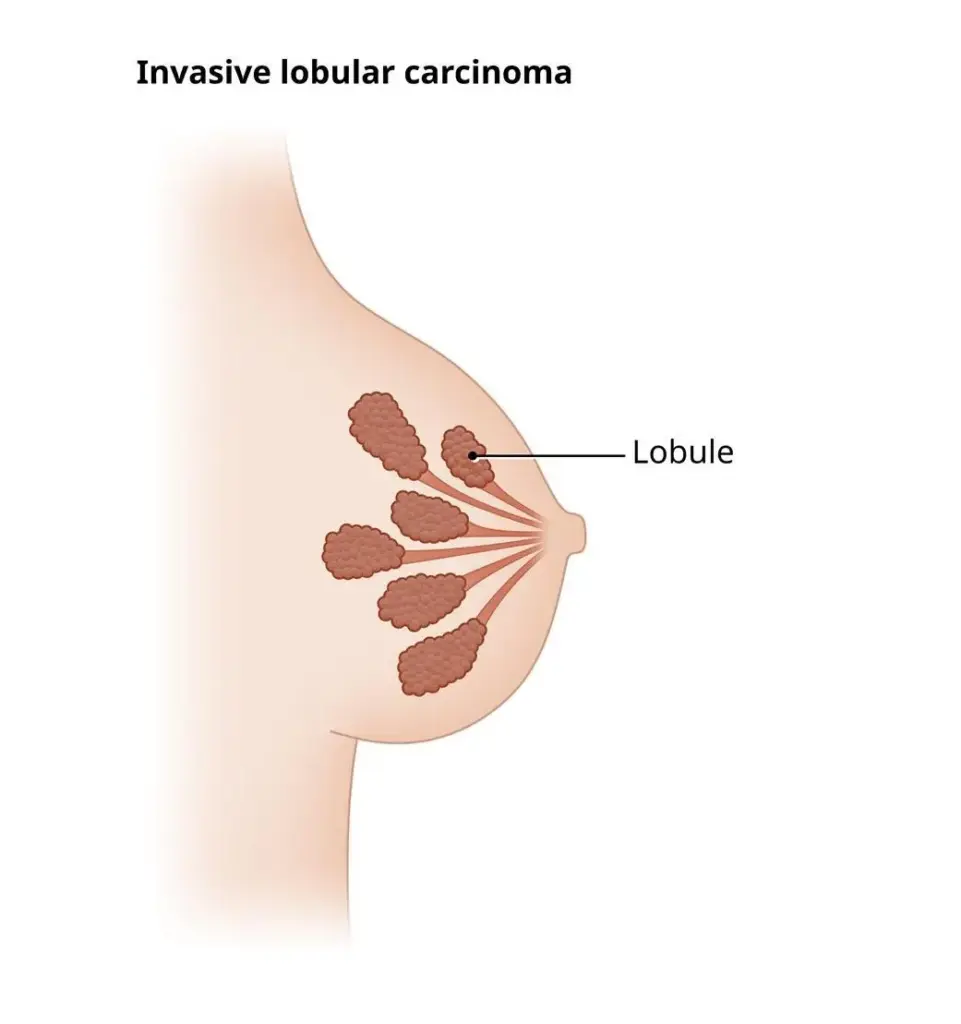
As opposed to invasive ductal carcinoma where there is often a definite lump formation, invasive lobular carcinoma does not always take the form of a lump. The tumor is harder to detect through mammography because it takes an irregular growth pattern in some people and causes swelling or fullness in the breast.
It is possible not to have symptoms in invasive lobular carcinoma. It is important to seek a medical professional’s advice for any changes in the breast.
4. Lobular Carcinoma In Situ (LCIS)
Lobular carcinoma in situ describes abnormal cells confined to the lobules. Despite its name, LCIS is generally considered a marker of increased future breast cancer risk rather than breast cancer itself.
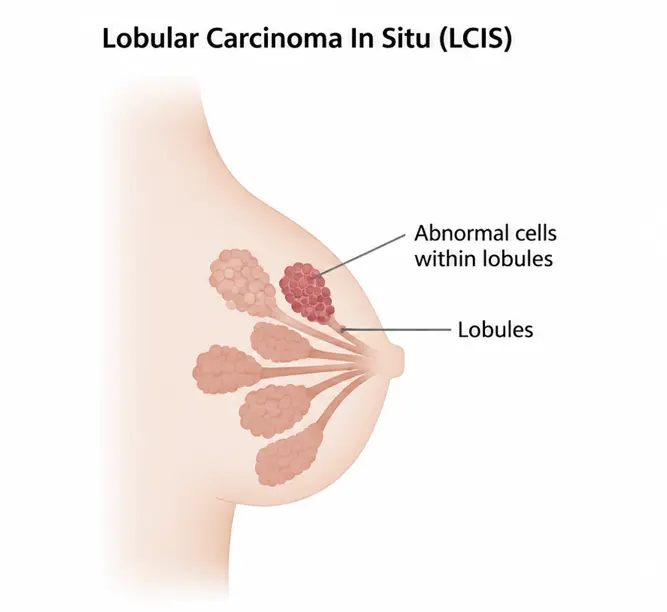
LCIS does not invade surrounding tissue, but its presence indicates that a person has a higher risk of developing invasive breast cancer in either breast. Management depends on individual risk factors and clinical findings, and may include enhanced monitoring or other risk-reduction strategies.
Other Important Breast Cancer Subtypes
Some breast cancers are identified by their characteristic appearance, growth pattern or biological markers.
- Inflammatory breast cancer: This is a rare, often aggressive form of invasive breast cancer. It may cause rapid breast swelling, redness, warmth, skin thickening or an orange-peel appearance. A distinct lump may be absent. These changes can resemble an infection, but symptoms that persist or progress require prompt medical evaluation.
- Triple-negative breast cancer: This subtype lacks estrogen receptors, progesterone receptors and overexpression of the HER2 protein. These features affect which medicines may be effective. Triple-negative breast cancer can behave aggressively, although outcomes vary according to stage and other factors.
- HER2-positive breast cancer: These cancers have increased levels of the HER2 protein, which can promote cancer cell growth. HER2-positive disease may grow quickly, but targeted treatments have significantly expanded treatment options.
- Paget disease of the breast: This uncommon condition affects the skin of the nipple and sometimes the areola. Symptoms may include persistent redness, scaling, itching, crusting or discharge. It can be associated with an underlying breast cancer.
These categories do not necessarily preclude each other; for instance, there can be invasive ductal breast cancer that is also HER2 or triple negative.
Common Symptoms Of Breast Cancer
Breast cancer symptoms vary depending on the type and stage. Some early cancers cause no noticeable symptoms, which is one reason screening is important. A women health checkup in Chennai can help women discuss appropriate preventive assessments based on their age, health history and individual risk factors.
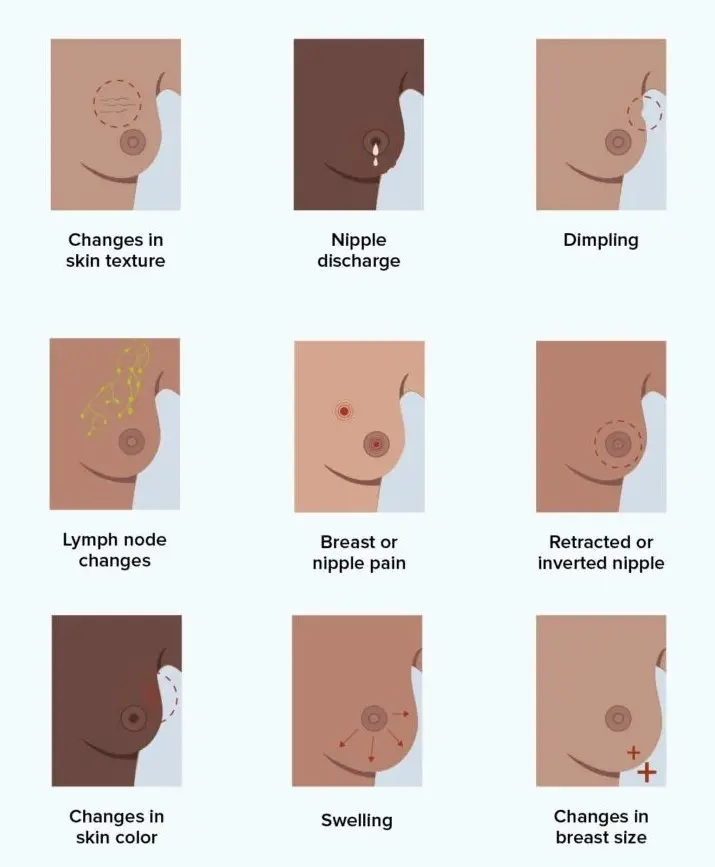
Contact a healthcare professional if you notice:
- A new lump in the breast or underarm.
- Persistent thickening or swelling.
- A change in breast size, shape or appearance.
- Skin dimpling, puckering, redness or unusual thickening.
- A newly inverted nipple or persistent nipple changes.
- Unusual nipple discharge, particularly if bloody.
- Persistent changes affecting one breast.
Most breast lumps and breast changes are not cancerous. Nevertheless, a new or unexplained change should not be ignored, even if it is painless or a recent screening result was normal.
The Role Of Breast Cancer Screening
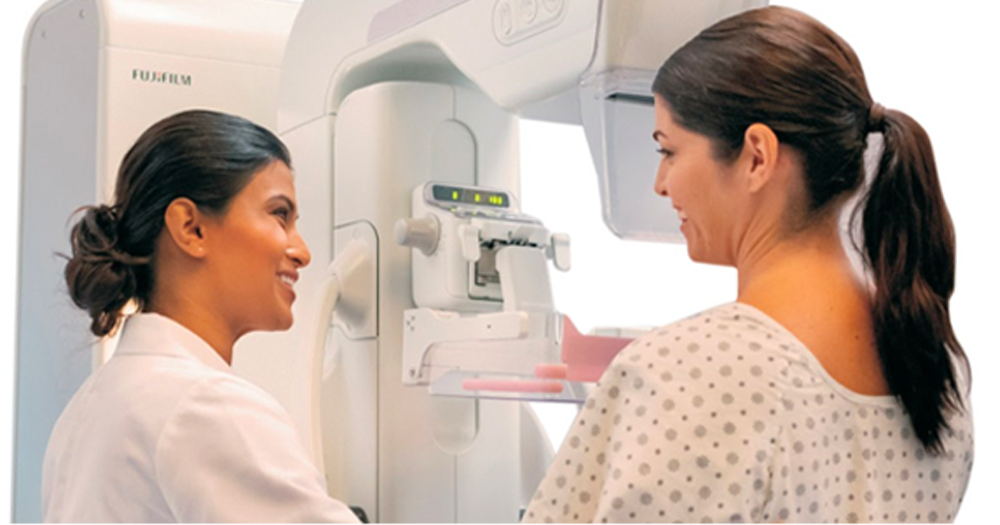
Breast cancer screening aims to identify cancer before symptoms develop. Mammography, an X-ray examination of the breast, is a standard screening method for many women. Depending on age, personal risk, breast density and clinical findings, a healthcare professional may recommend additional imaging or an individualised screening approach. For women who want a broader assessment beyond breast health, a full body checkup in Chennai, Bengaluru, Gurugram, Mumbai, Hyderabad, and Calicut from NURA can help evaluate multiple aspects of overall health based on individual needs and risk factors.
At NURA, preventive health screening and early identification of potential health risks are important parts of a proactive approach to wellbeing. Understanding the role of screening can help individuals make informed decisions about their health. However, breast cancer screening recommendations vary according to age, individual risk factors and clinical guidelines. Women should consult a qualified healthcare professional to determine the most appropriate screening plan.
It is important to distinguish screening from diagnostic testing. Screening is intended for people without symptoms, whereas a new breast lump or another concerning change requires clinical assessment and, when indicated, diagnostic imaging and a biopsy. Screening does not replace medical evaluation of symptoms.
Being familiar with how your breasts normally look and feel can help you notice changes. Breast awareness should complement, rather than replace, appropriate screening and professional medical advice.

welcome