Turning 40 is an important milestone for your health. Even though you may feel physically healthy, the chances of developing such ailments as hypertension, diabetes, cardiovascular problems and various forms of cancer increase as you age. These diseases can start developing without any notable symptoms.
This makes the need for a health checkup after 40 to be an important aspect in preventive health care services. Instead of waiting to develop any symptoms that would signal your doctor of the ailment, health screening allows you to identify health risks at an early stage and have an opportunity to discuss preventive measures with your doctor.
Why Earlier Screening May Matter in India
The appropriate health screening after 40 depend on individual risk factors, medical history, genetic history, sex, and lifestyle. For people in India, certain health risks may occur at younger ages, so international age-based screening recommendations should not always be considered fixed starting points. Depending on individual and family risk factors, your doctor may recommend beginning certain health checks earlier.
Why Health Screening Becomes Important After 40
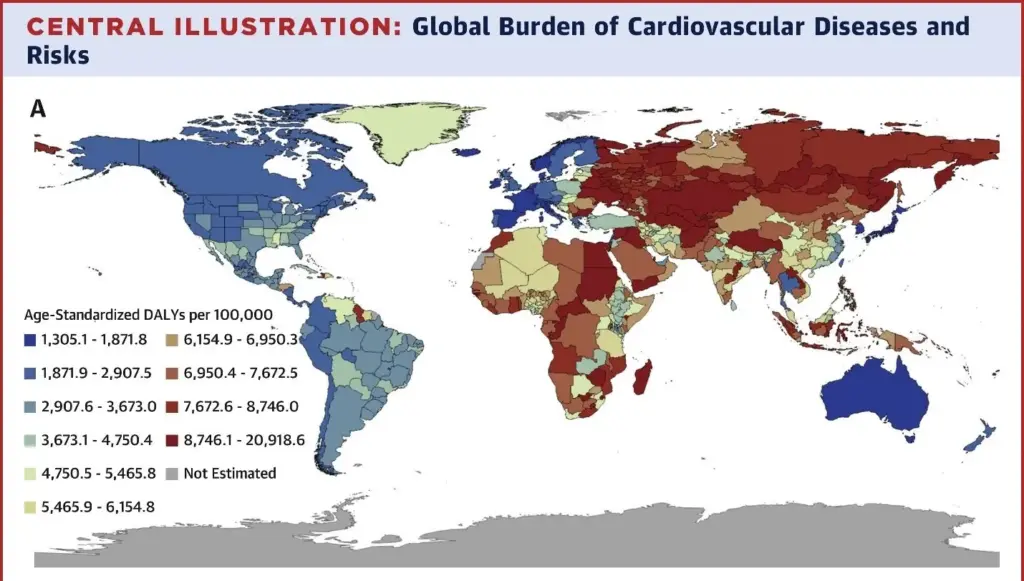
With increasing age, the chances of developing certain chronic diseases become higher. The World Health Organization (WHO) reports that the biggest cause of death in the world is cardiovascular disease, with some risk factors such as hypertension, high blood sugar, abnormal blood lipids, and overweight.
Many of those risk factors may show no symptoms in the initial stages. Hence, the process of screening offers a chance for early detection of the problem, which helps prevent further health complications.
Essential Health Tests After 40
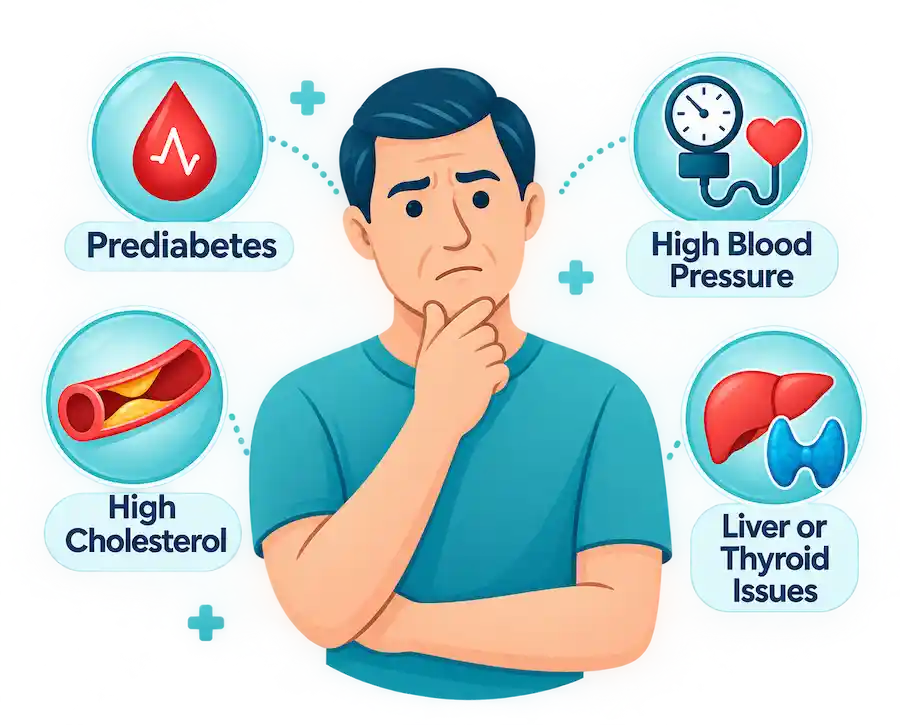
A health checkup after 40 is not only a test of possible disease but also a study of one’s current state of health and ways to improve it.
Blood Pressure Check
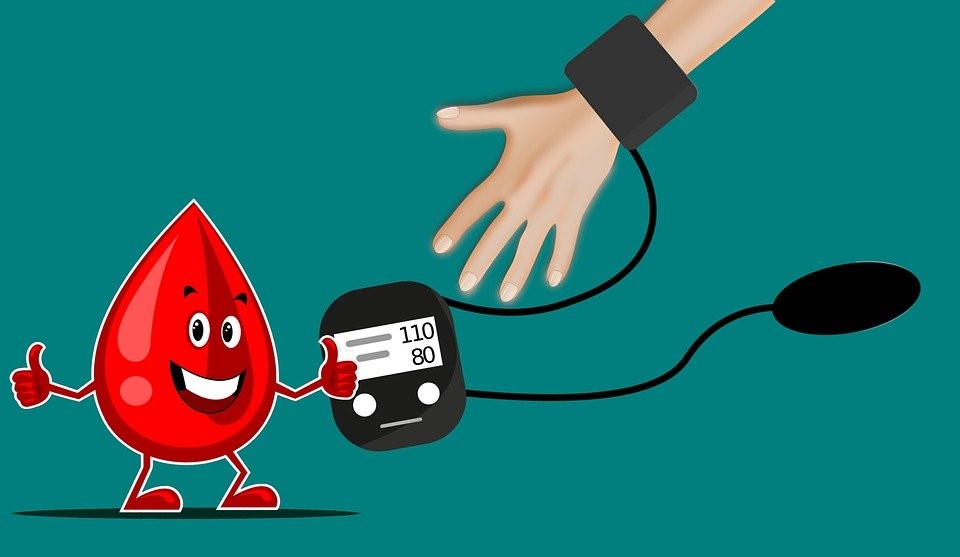
Checking blood pressure is among the easiest and most critical tests for adults. Many people with hypertension do not experience any visible symptoms. According to the WHO, the only way to diagnose hypertension is through checking blood pressure by a health professional.
People aged 40 years and above should check their blood pressure from time to time, depending on their last test results. If a person has high blood pressure in the first test, the doctor will advise on other ways of confirming the diagnosis.
Blood Sugar and Diabetes Screening
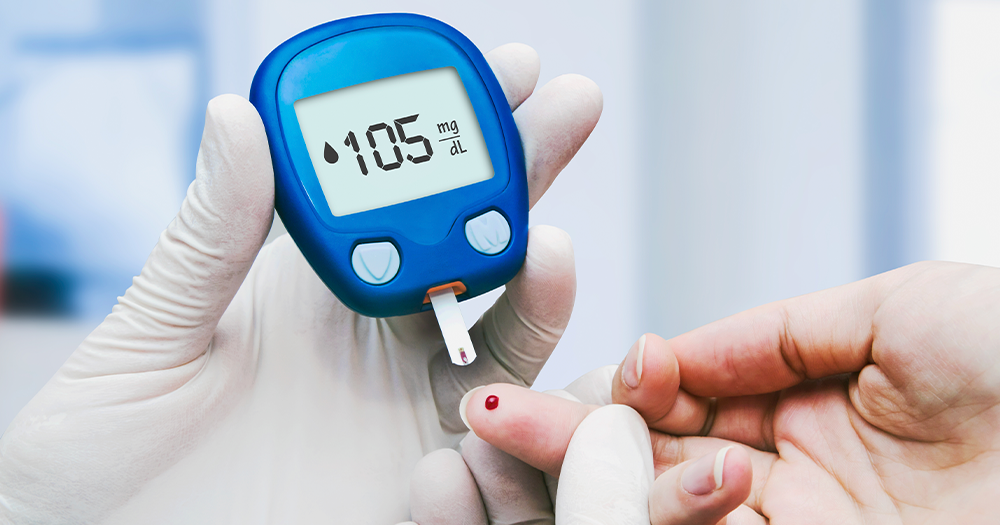
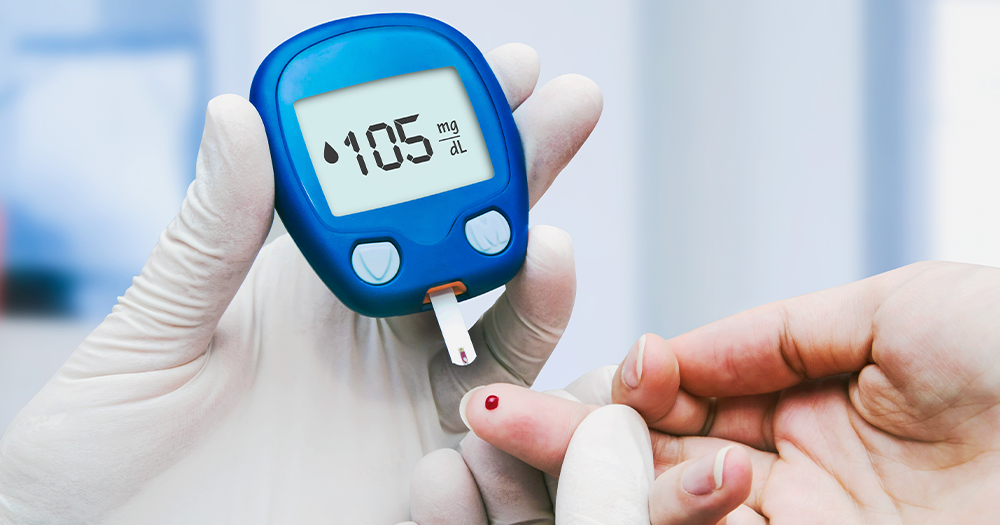
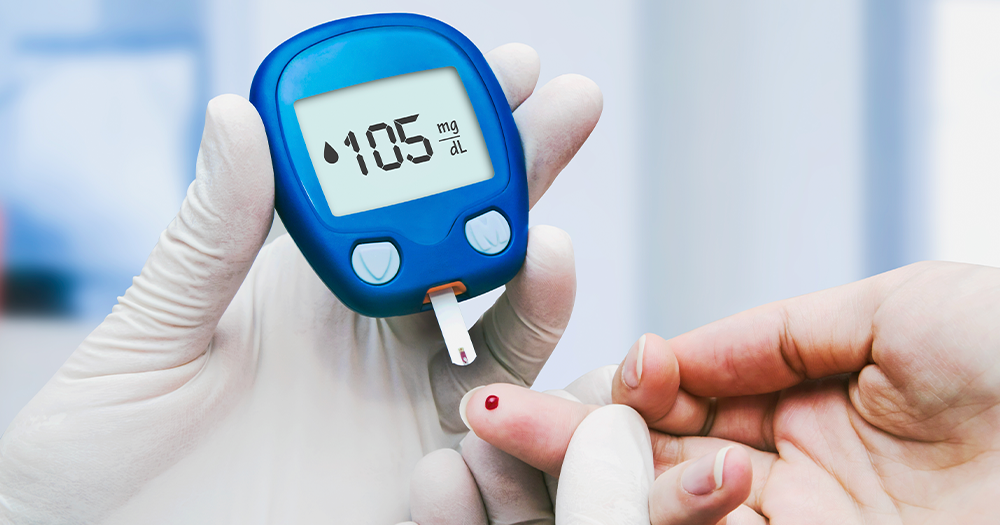
Age itself can be a risk factor for the development of type 2 diabetes, especially if there is obesity and a sedentary lifestyle along with a family history of diabetes and/or other metabolic risk factors. Common tests used to assess blood glucose include fasting blood glucose and HbA1c. The level of HbA1c shows the average level of blood glucose for several months before. The metabolic risk factors for non-communicable diseases include elevated blood glucose levels and obesity.
Your doctor can determine which test is appropriate and how frequently you should be screened based on your individual reading & risk behavior. For people with relevant risk factors, diabetes screening may need to begin earlier, particularly given the earlier onset of metabolic risk seen in many Indian populations.
Cholesterol and Lipid Profile
A lipid profile can determine the levels of blood lipids, such as cholesterol and triglycerides. Such tests may help doctors to determine the risk factors related to cardiovascular health together with other factors like age, blood pressure, diabetes and smoking.
According to WHO, some of the metabolic risk factors related to NCDs include raised blood pressure, high blood glucose, abnormal blood lipids, and overweight or obesity.
Heart Health Assessment
The 40s is also an ideal age to become more conscious about cardiovascular diseases when you have certain risks like high blood pressure, diabetes, high cholesterol, smoking, obesity, or even if your family members have a history of heart diseases.
Based on your risk profile, your physician might also suggest further cardiovascular tests to be done.
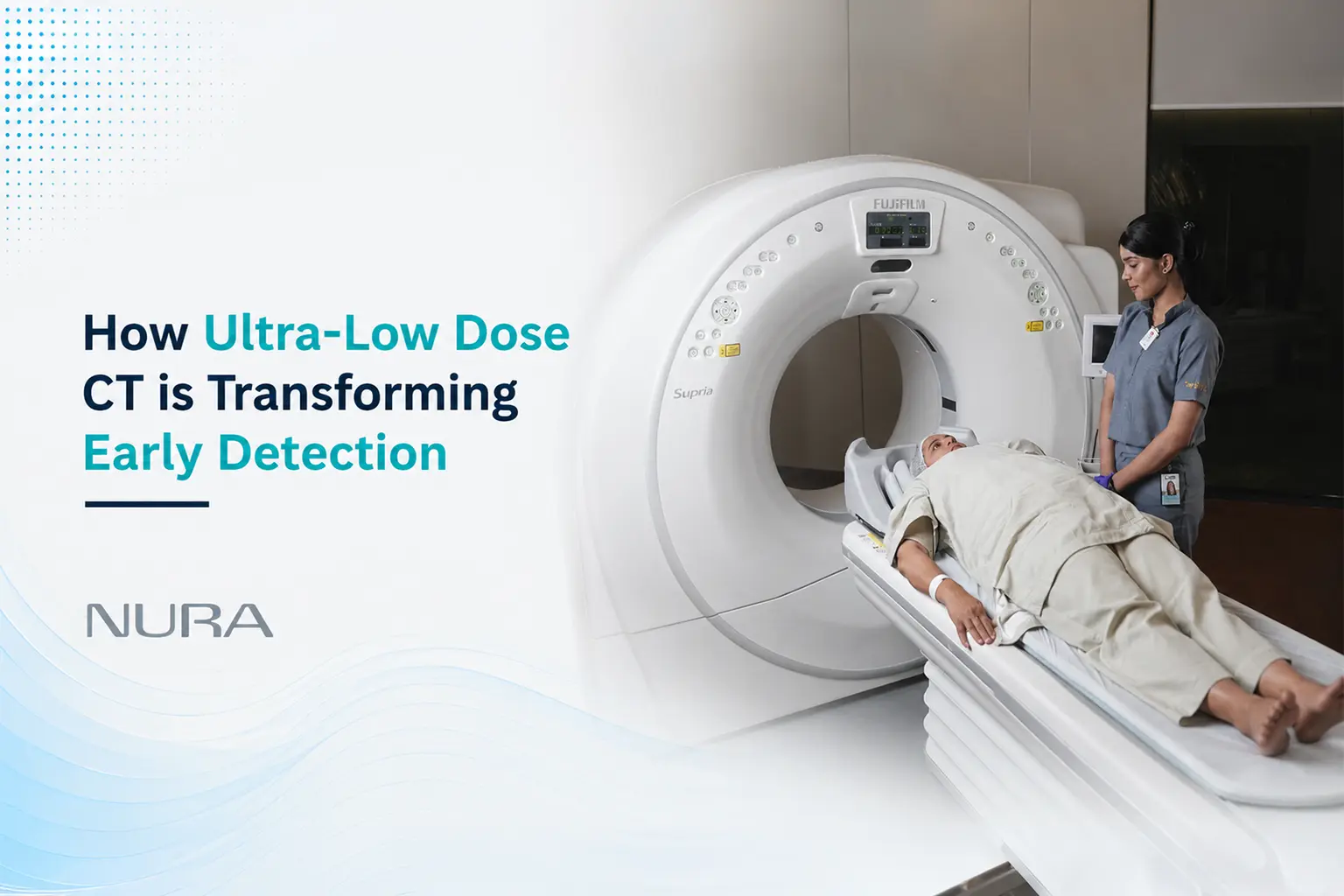
For individuals looking for a focused cardiovascular evaluation, NURA’s heart health checkup in Bengaluru and other locations uses Ai-based ultra-low-dose CT to assess coronary heart health and includes a doctor consultation.
Kidney and Liver Health
Kidney and liver issues do not necessarily give symptoms in their early stages. Laboratory tests done on the blood and urine could give some clues on the status of the kidney and liver functions. Such tests would be important for individuals who have diabetes, high blood pressure, obesity, past abnormal findings or prolonged use of medications.
Full-body health checkup by NURA involve assessments of the condition of the kidneys and the liver among other aspects of preventive health care.
Cancer Screening Based on Age and Risk
Cancer screening plays a significant role in preventive medicine. But not all cancer screening tests are suitable for everyone.
As an illustration, screening for colorectal cancer is advised for average-risk individuals starting from age 45 in the current USPSTF recommendations. However, this international age threshold should not necessarily be treated as a fixed starting point for everyone in India. Depending on individual and family risk factors, a doctor may recommend considering screening earlier. There are multiple options available for testing: stool tests and visualization, such as a colonoscopy, with the selection based on the particular case and discussion with the doctor.
For people with a family history of the disease, past experience with cancer, genetic disorders, or other risk factors, the approach to the cancer screening can be different.
The important point is that cancer screening should be personalised rather than treated as a universal checklist.
Health Screening After 40 for Women

Additional screening needs may be necessary for women in regards to breast and cervical issues. For women in India, screening should be guided by age, personal and family history and other risk factors, and some assessments may be appropriate earlier than international age-based recommendations.
Breast Health
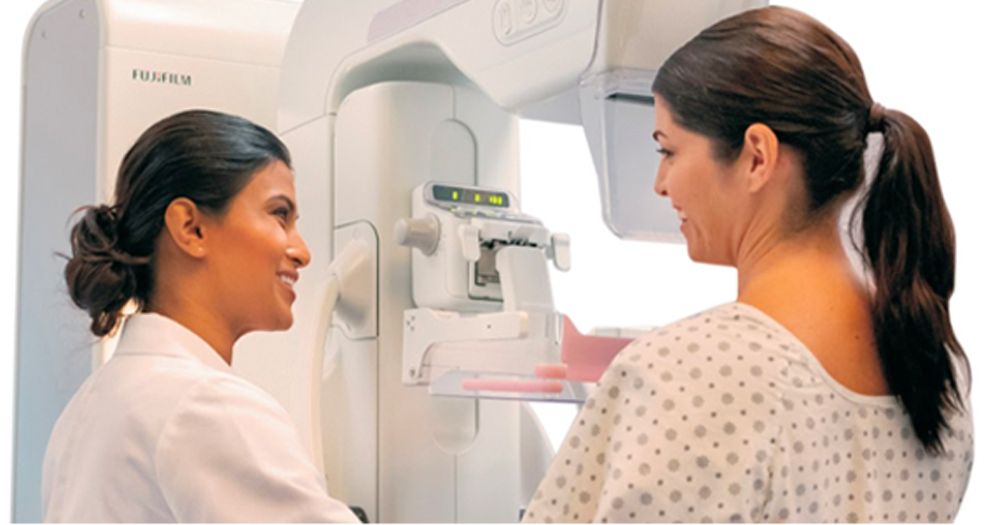
Recommendations regarding breast cancer screening are determined by age and personal risk factors according to the selected guideline. According to USPSTF, women from 40 to 74 years old without any risk factors require biennial mammograms. However, women with a strong family history of breast cancer, known genetic risk, previous breast abnormalities, or other significant risk factors may need to begin assessment earlier or undergo screening more frequently than the routine schedule. The appropriate approach should be determined in consultation with a healthcare professional based on individual risk.
NURA provides women’s health checkups in Bengaluru, Gurugram, Mumbai, Hyderabad, Calicut, and Chennai, including breast and cervical cancer screenings, as well as cardiovascular and metabolic screenings.
Cervical Health
Cervical cancer screening is another important part of women’s preventive healthcare. The screening process can be HPV test, Pap smear test, or other techniques depending upon the age and local clinical practice guidelines.
You can consult your healthcare provider for the proper screening technique and interval based upon your age and past screening.
Health Screening After 40 for Men

Men may also think about preventative screening on an age-appropriate level before developing any symptoms.
Prostate Health
It is important to note that prostate cancer screening, such as PSA testing, is not necessarily mandatory for all men. This is a decision that needs to be made considering age, family history, symptoms and overall risk.
Speaking to your healthcare professional could assist with deciding whether you need to undergo screening for prostate issues.
NURA offers a thorough men’s health checkup process which includes prostate-related cancer screening.
Don’t Forget Metabolic Health
Your weight alone is not sufficient to understand your entire health condition.
Body composition, visceral fat, blood pressure, glucose level, cholesterol level, and organ function are some factors that can help you understand more about your metabolic well-being.
The NURA Metabolic 180 test includes lipid profile, visceral fat, body composition, liver function tests, kidney function tests, blood pressure measurement, and HbA1c test, among others.
How Often Should You Have a Health Checkup After 40?
There is no fixed schedule for everybody. Some checks like blood pressure monitoring may need to be done routinely, but how often you should have blood tests or cancer screenings will depend on your personal situation. For Indian adults with relevant risk factors, certain health checks may need to begin before 40 rather than waiting for an age milestone.
If you suffer from diabetes, hypertension, obesity, or have had abnormal results on the earlier tests or if you have a family history of any disease, your physician may advise you to have routine checks.
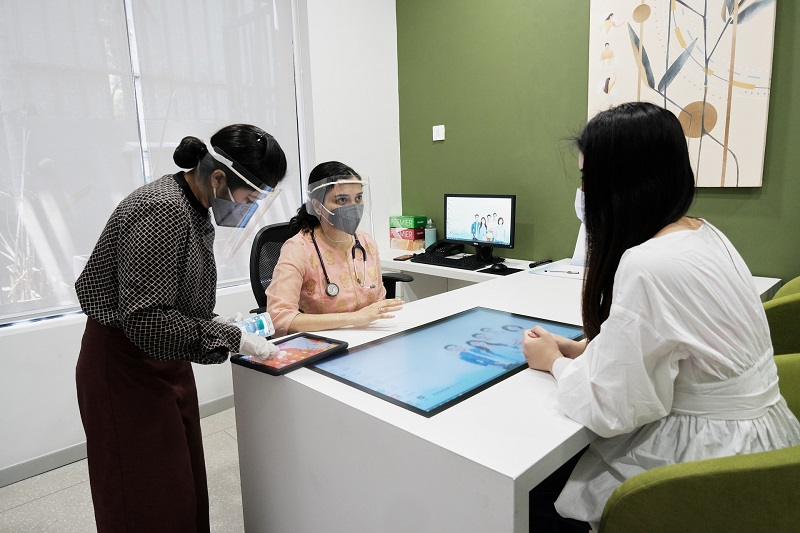
A complete check-up will help in formulating an appropriate schedule for you.
The Goal Is Prevention, Not Just Testing
A health checkup after 40 does not have to mean getting every conceivable test. It involves trying to establish your true health risks and knowing what your present state of health is like so that you can act accordingly. At NURA, we believe preventive healthcare should not begin only when symptoms appear or when a particular age milestone is reached.
If you prefer a heart or metabolic checkup or a full screening program for either males or females, the key thing to do is to incorporate preventive medicine into your lifestyle habits.
The 40s can be an important milestone for taking a more proactive approach to your health. At NURA, we believe preventive healthcare should not begin only when symptoms appear or when you reach a particular age. Depending on your individual and family risk factors, your doctor may recommend appropriate health checks earlier, helping identify potential health concerns before they become more difficult to address.
Talk to your healthcare provider to understand which health tests after 40 are appropriate for you based on your age, medical history, family history and individual risk factors.